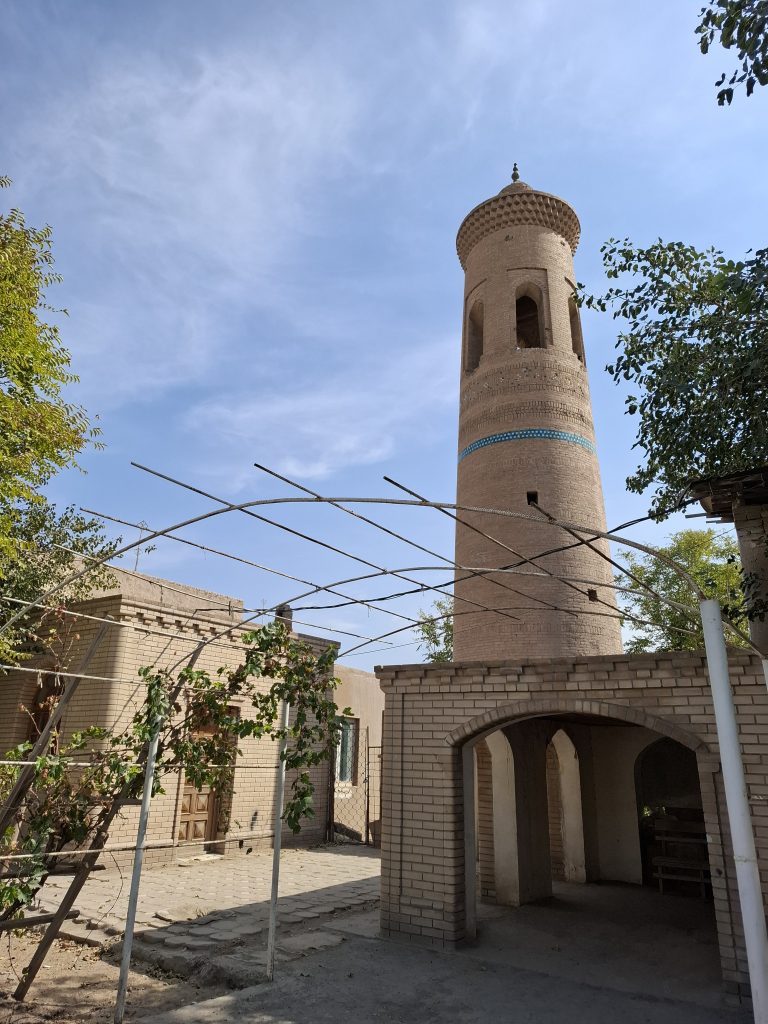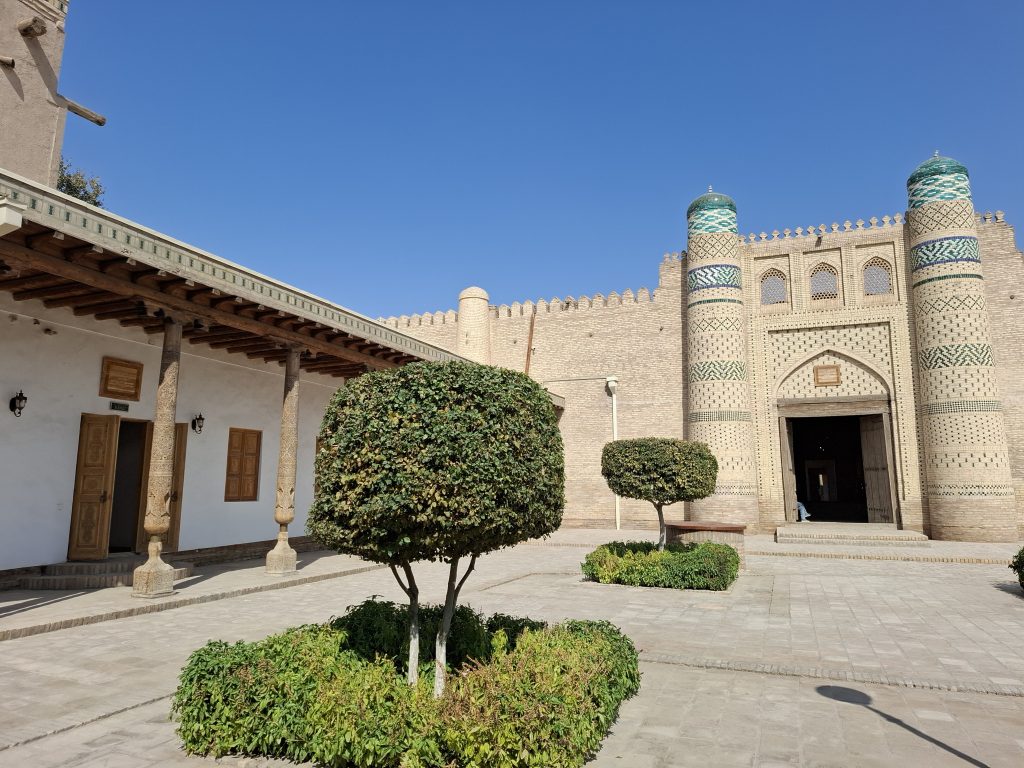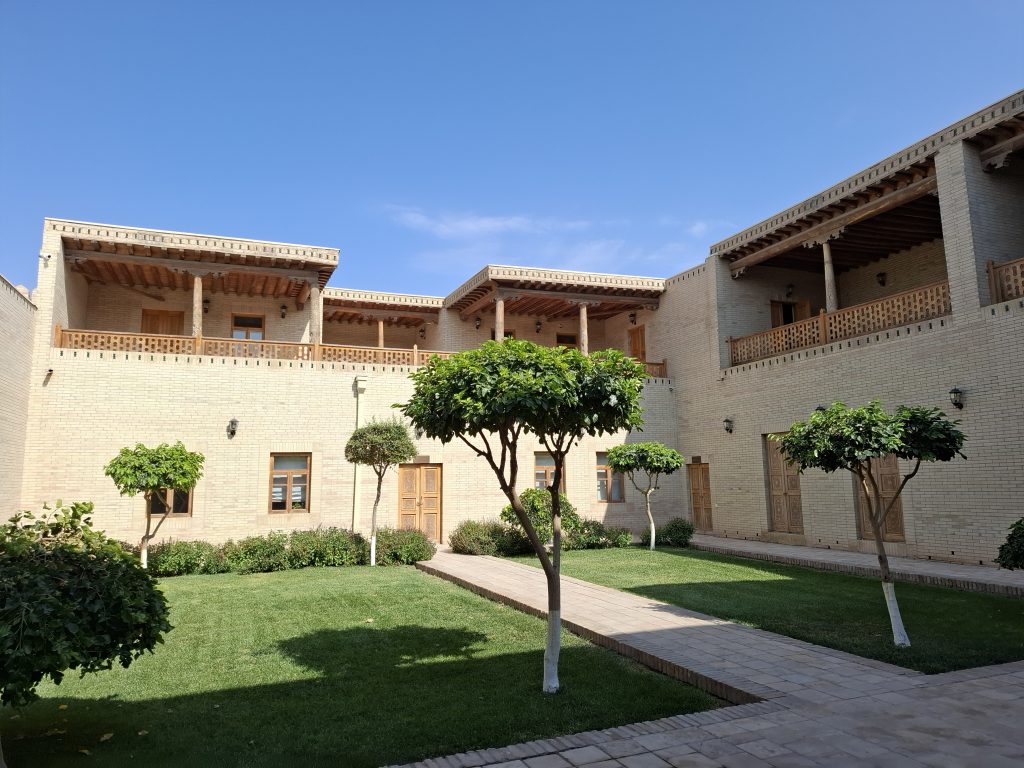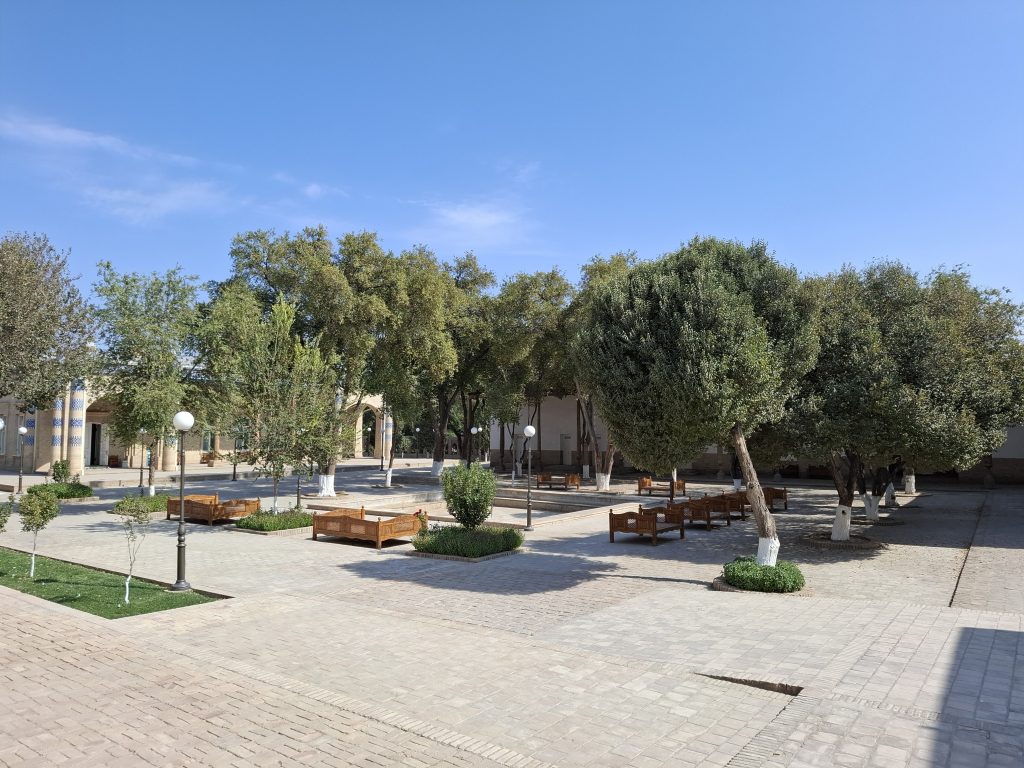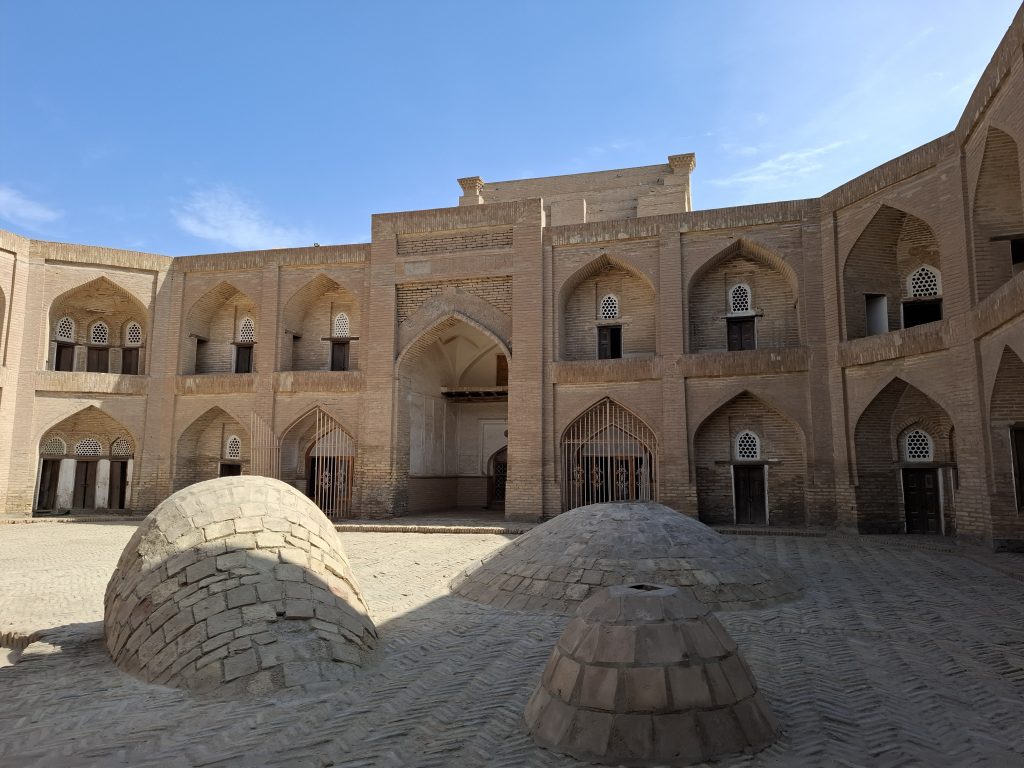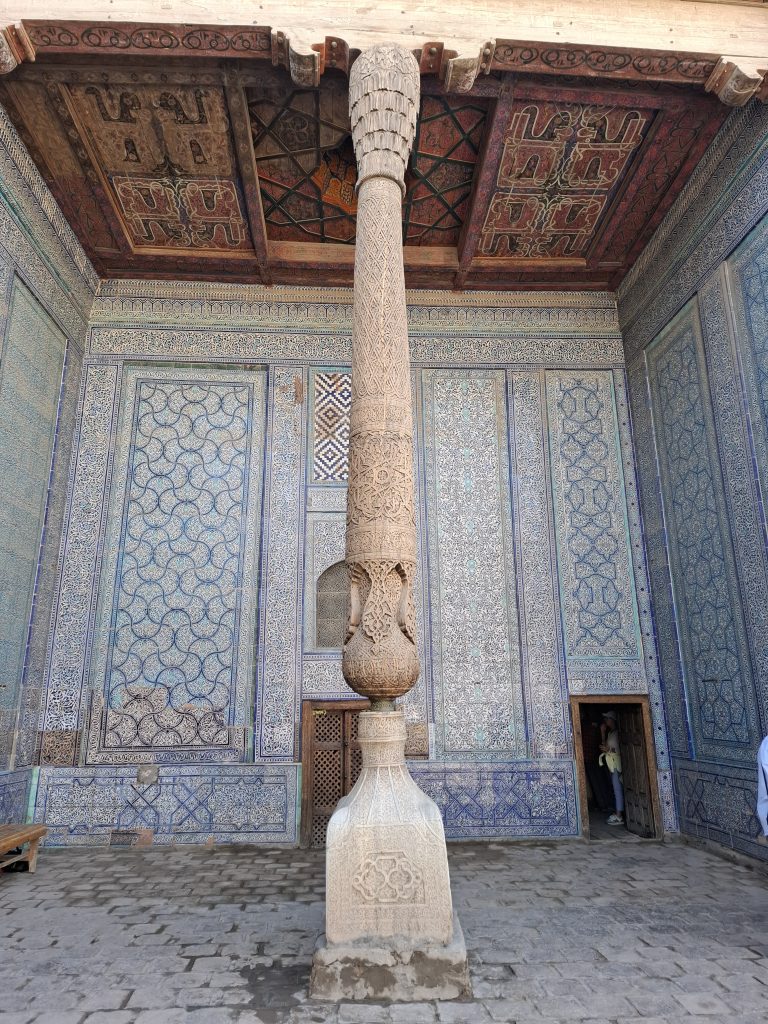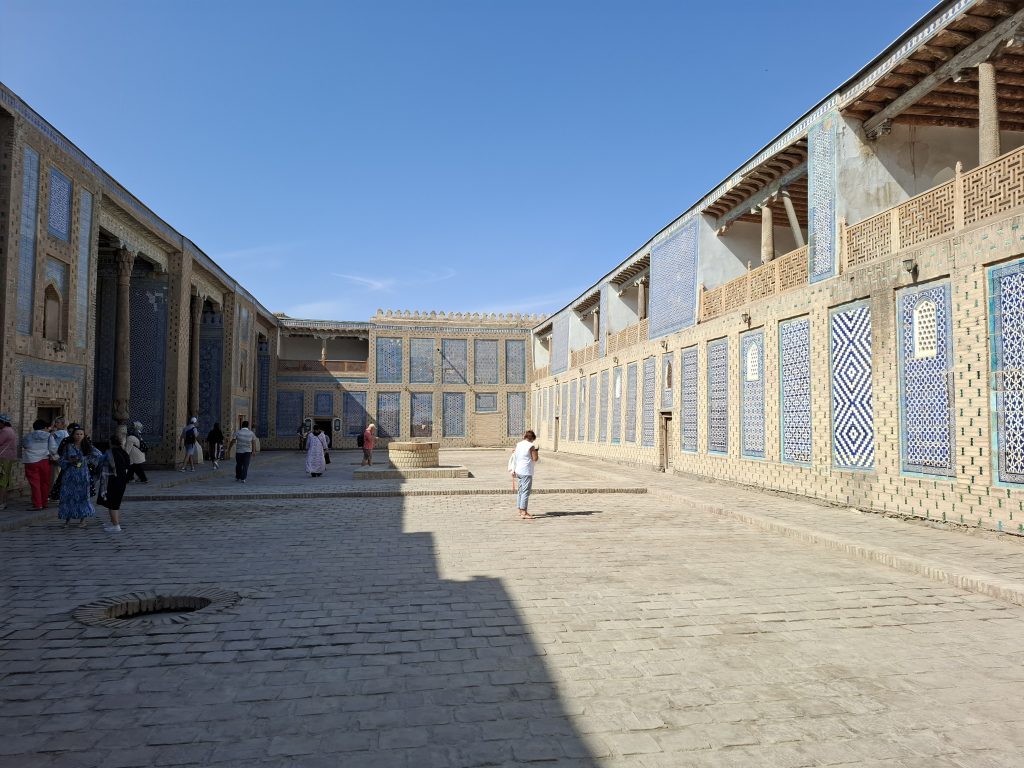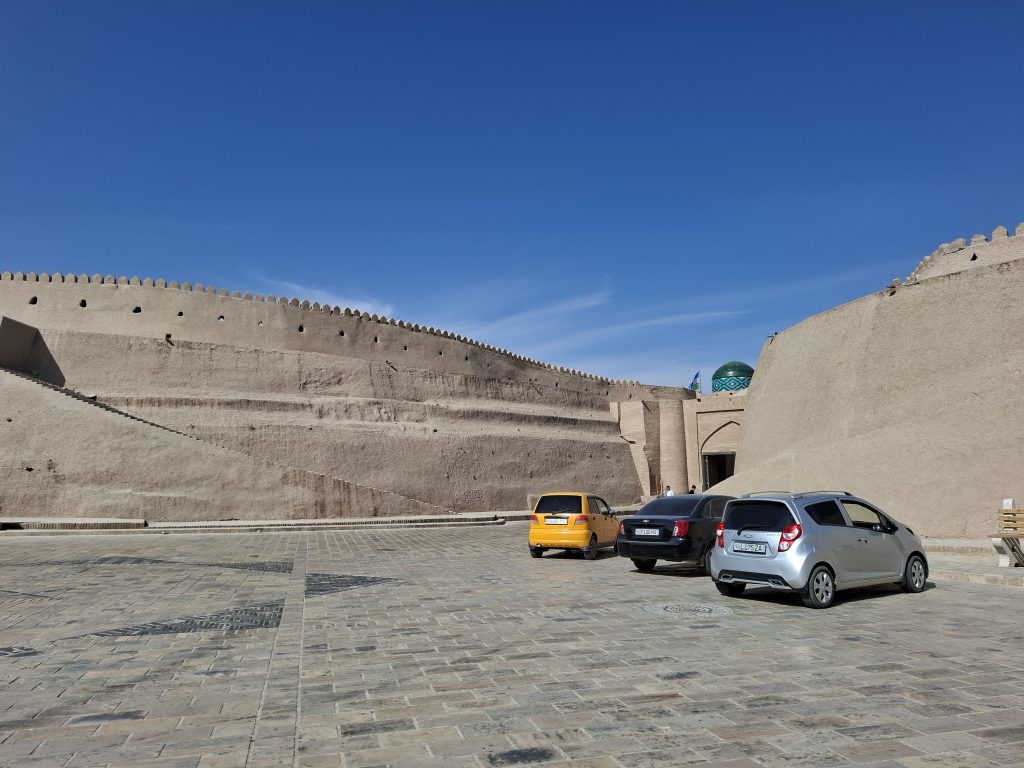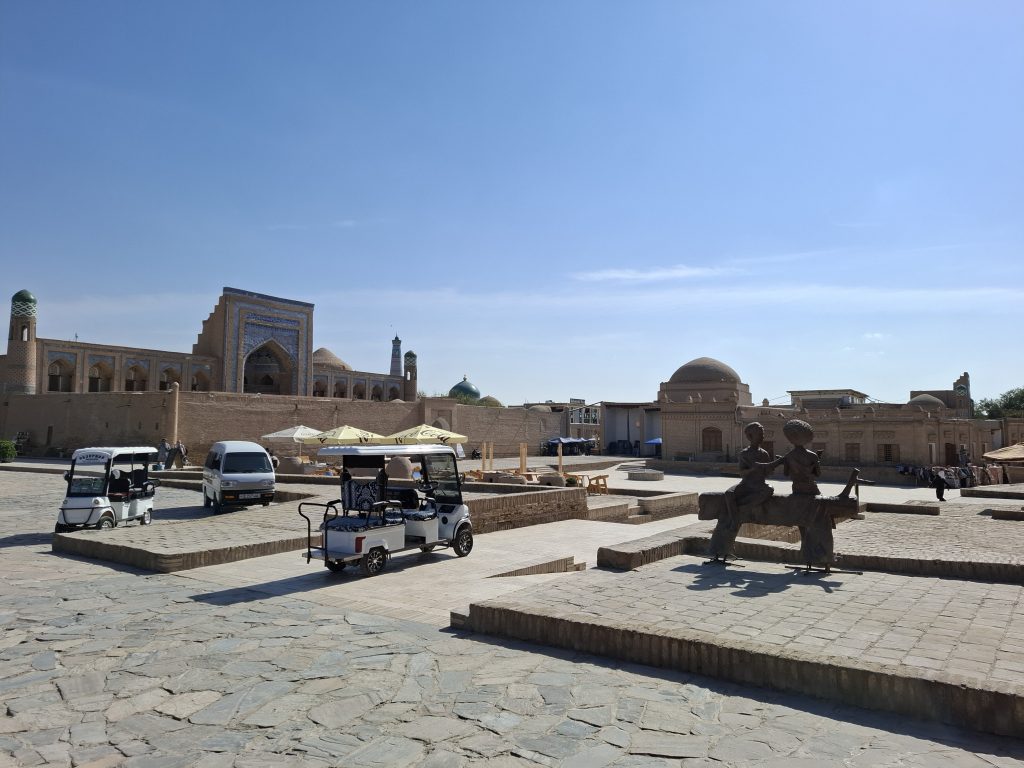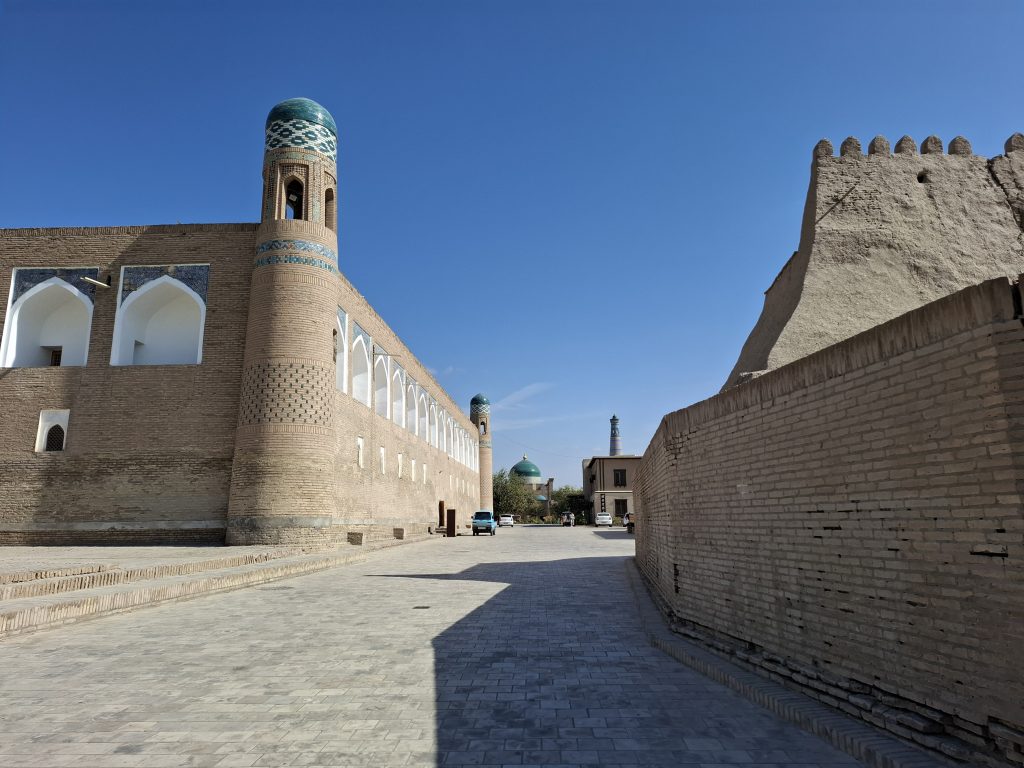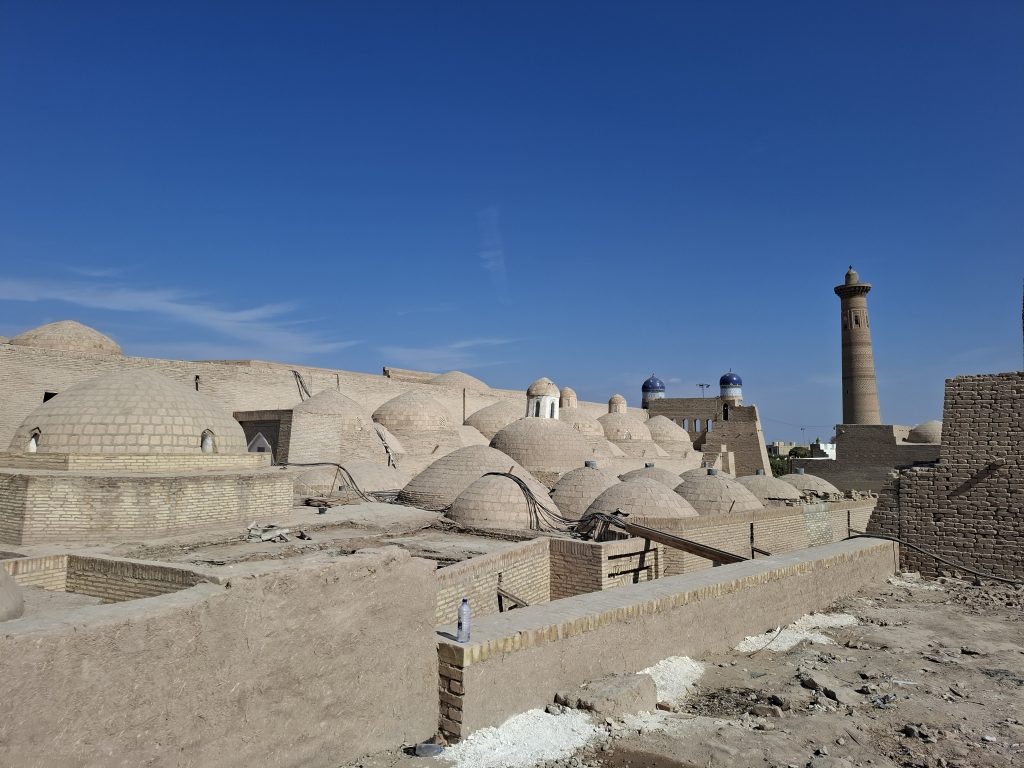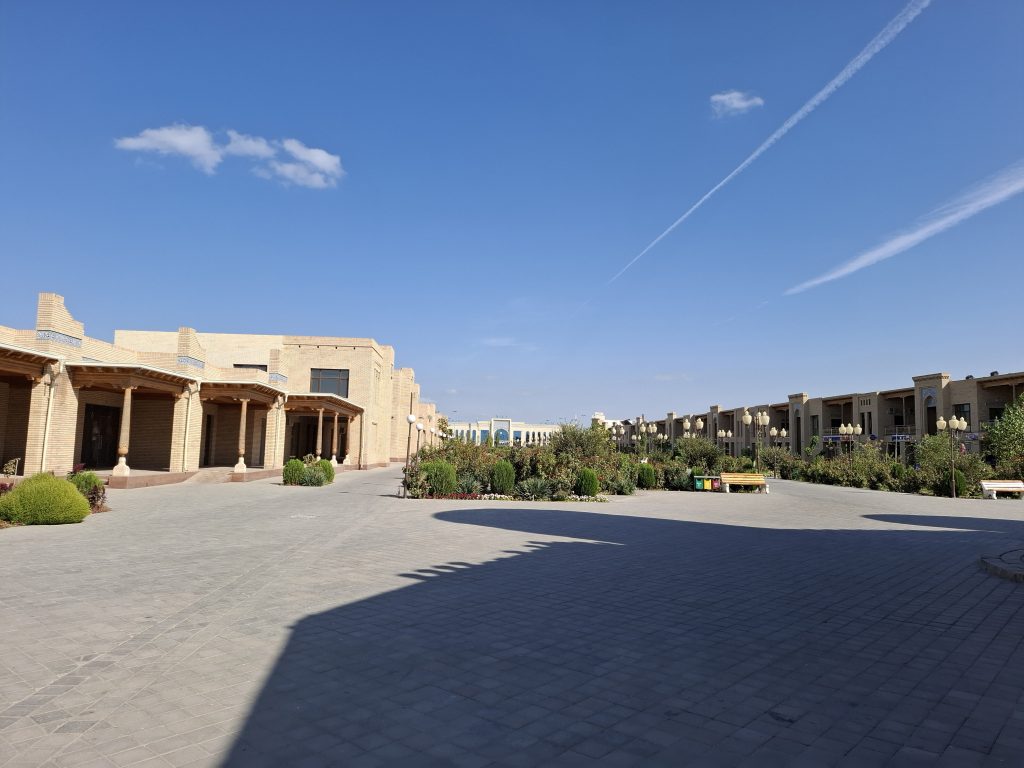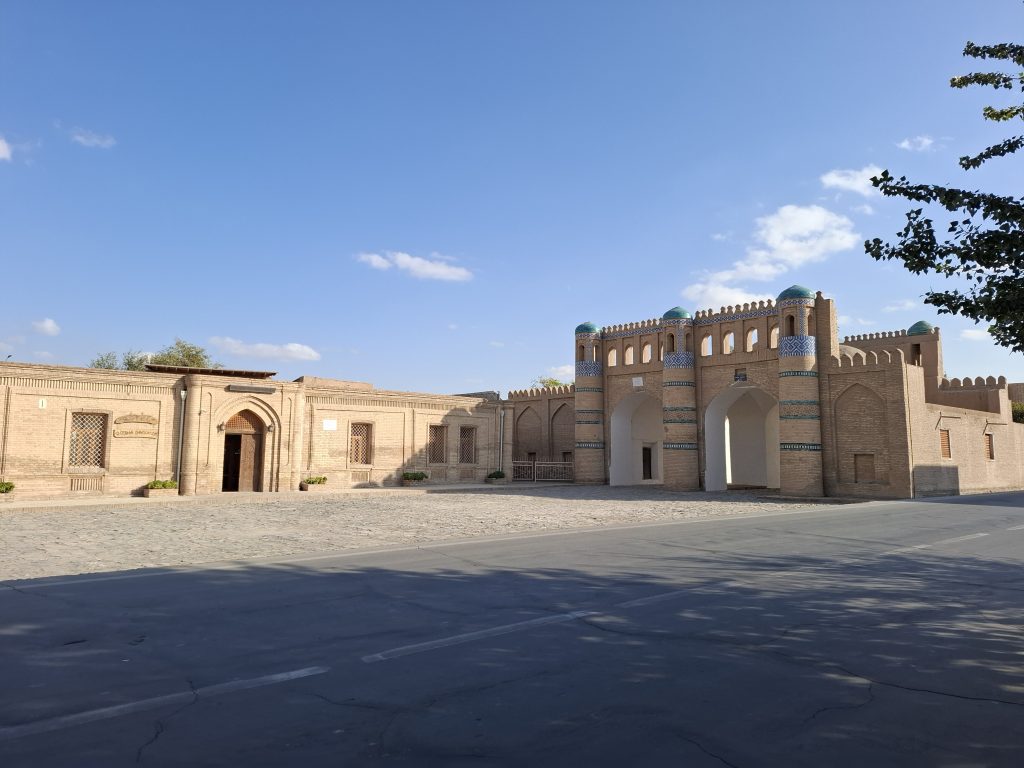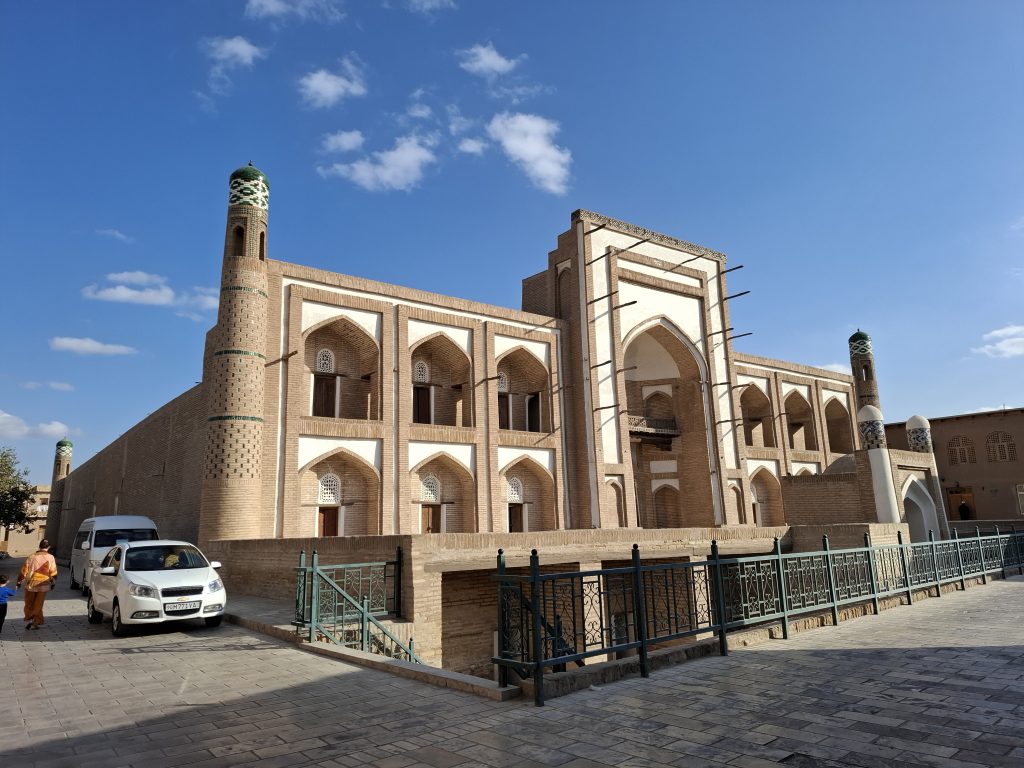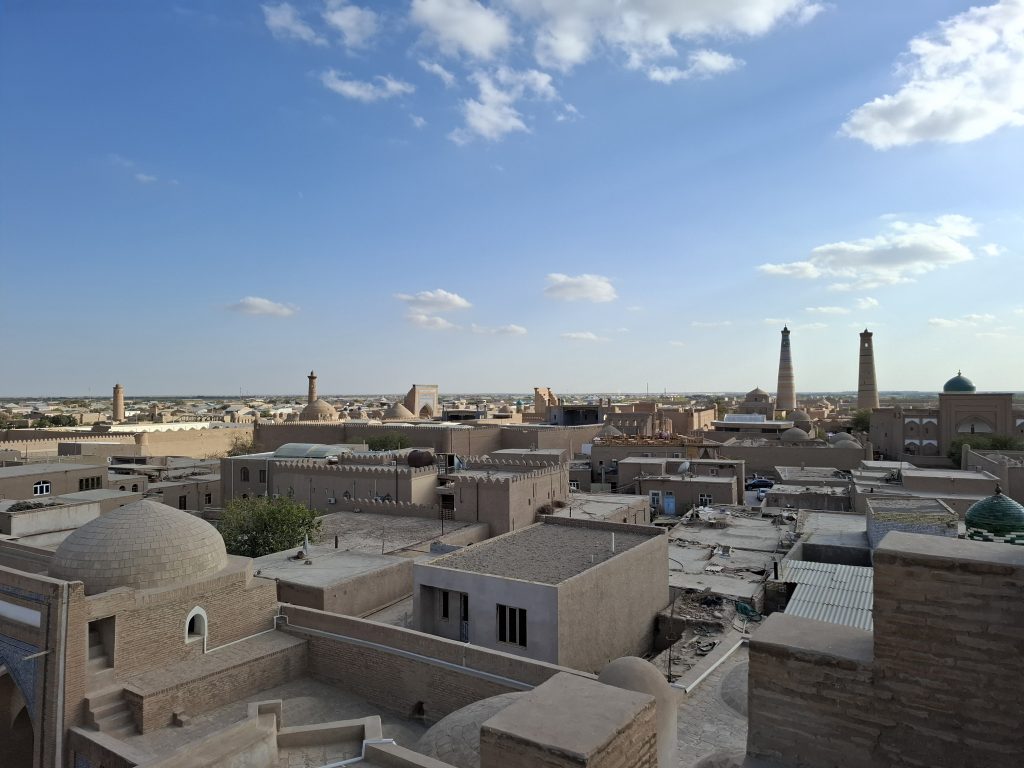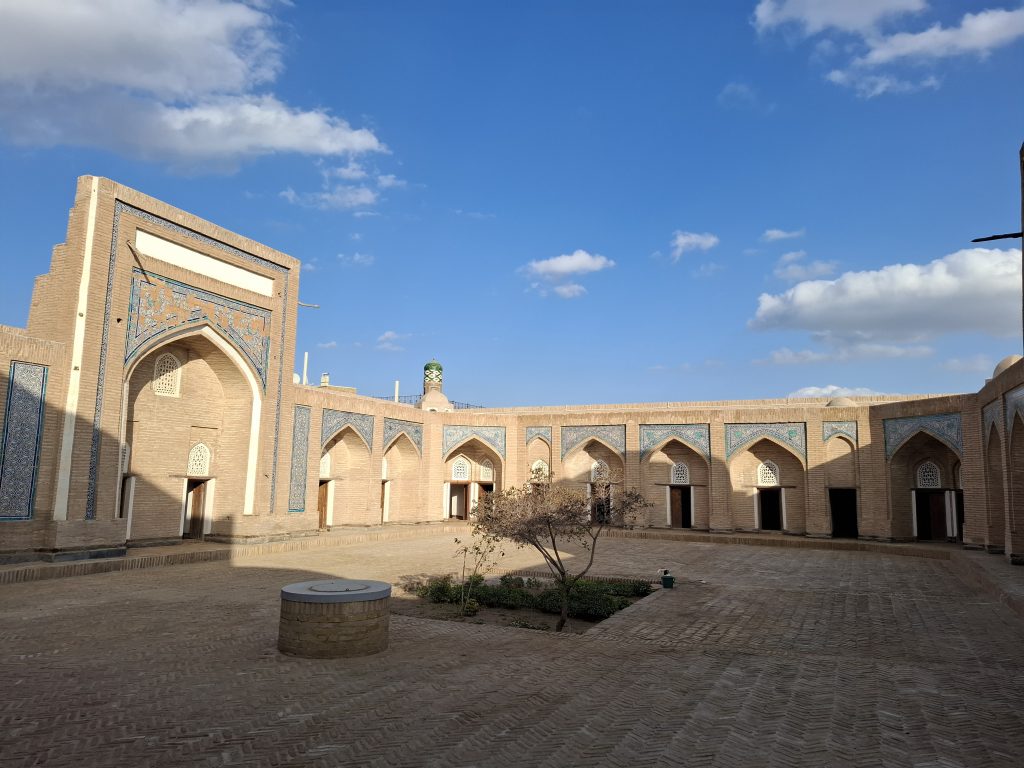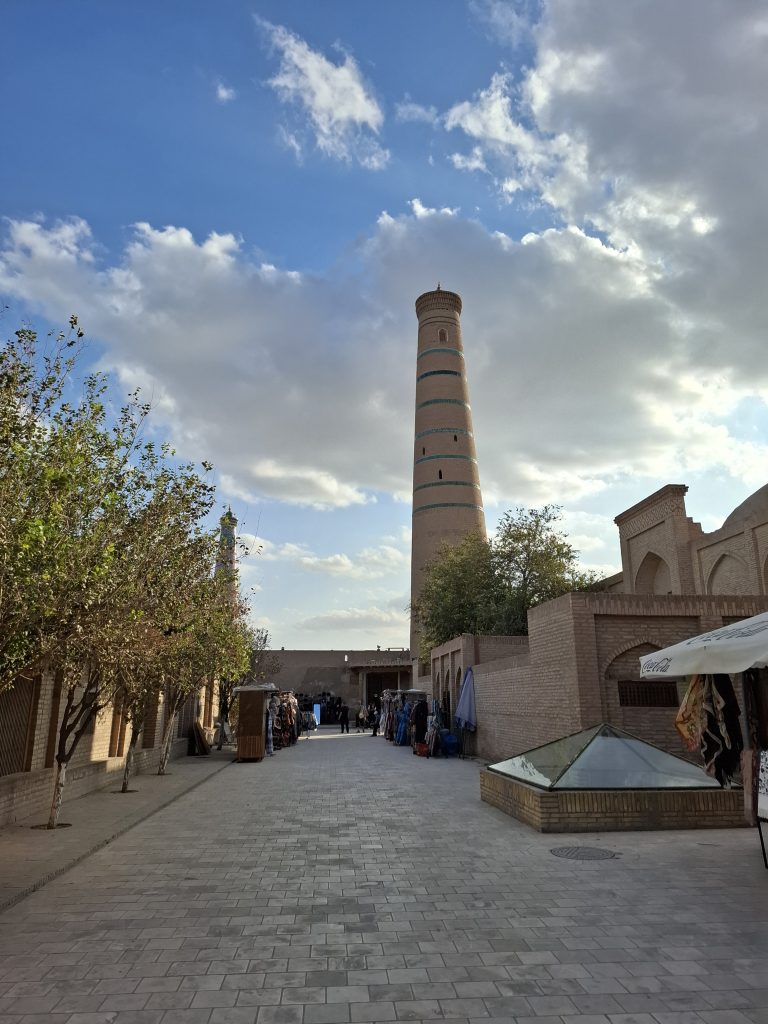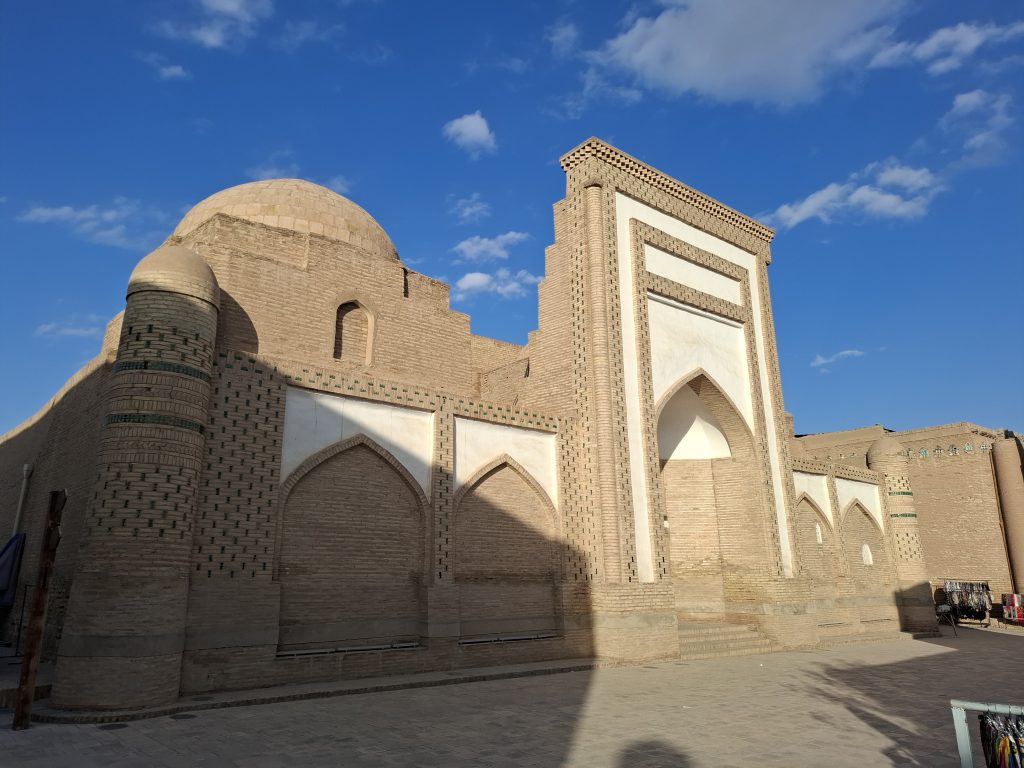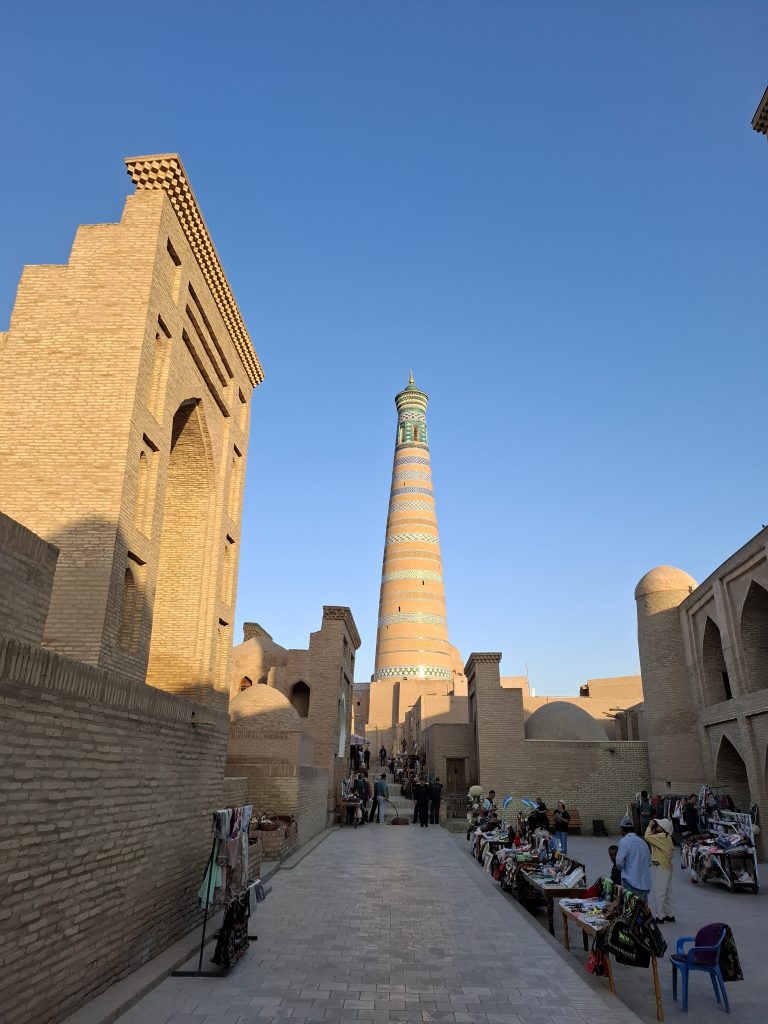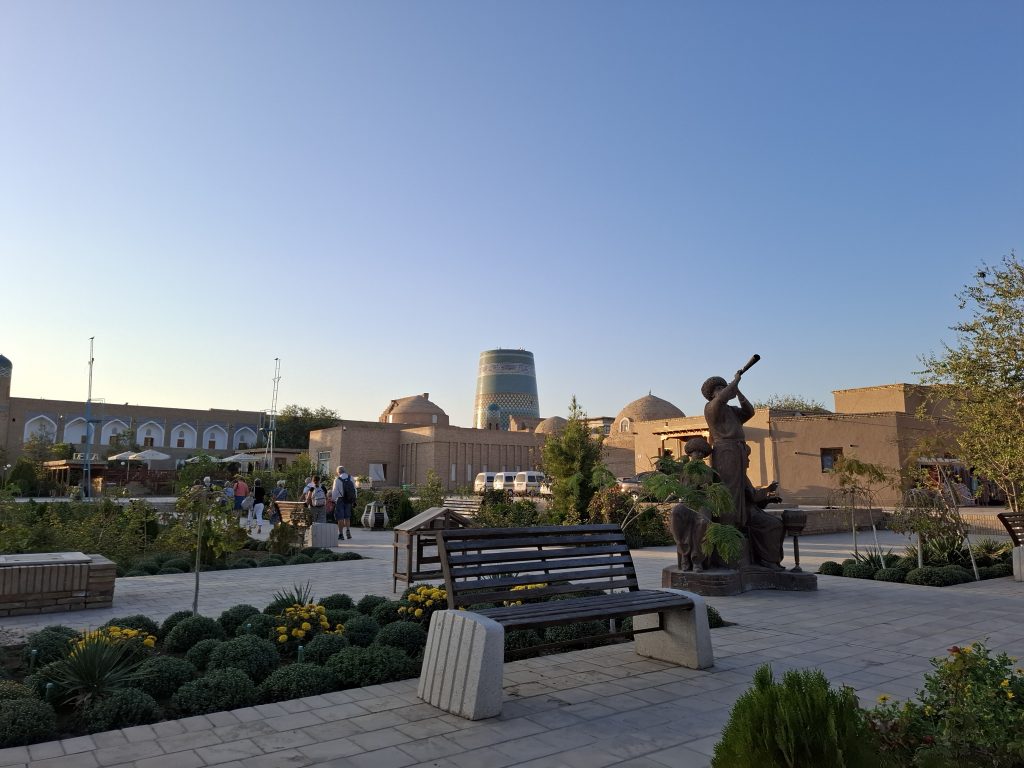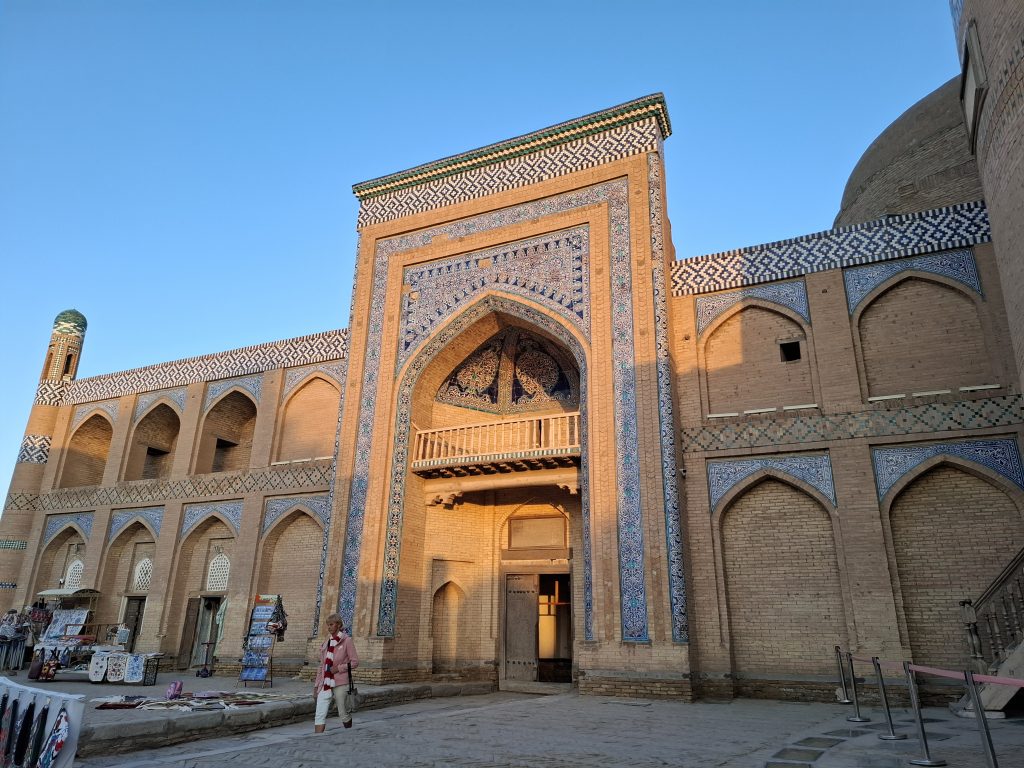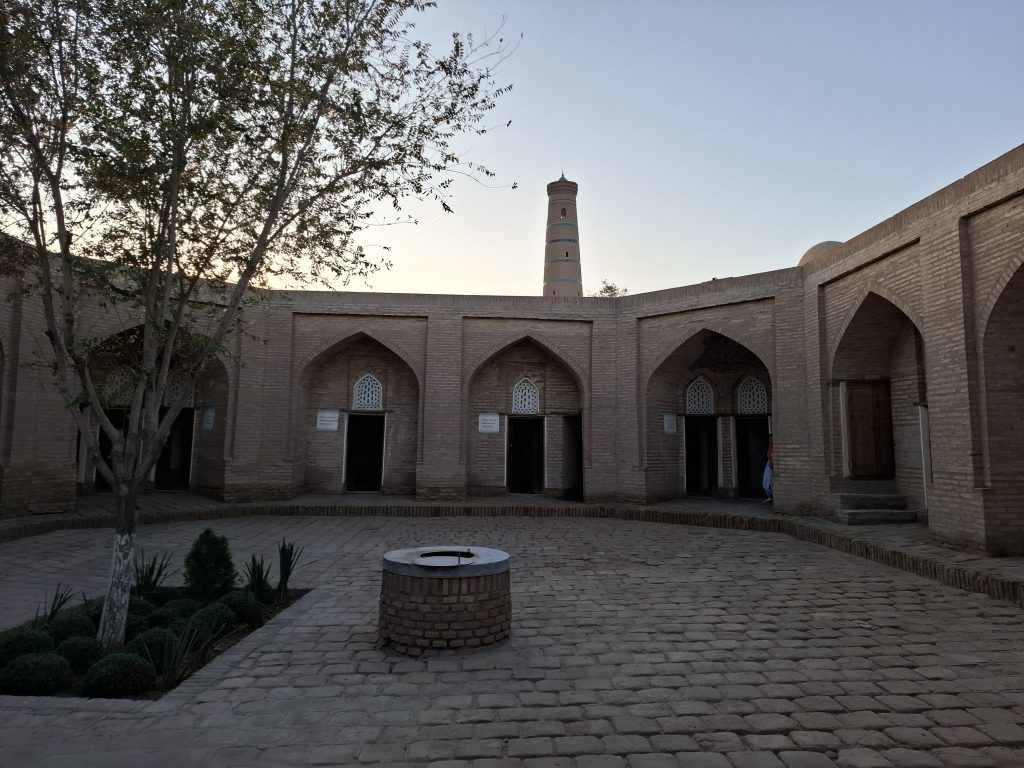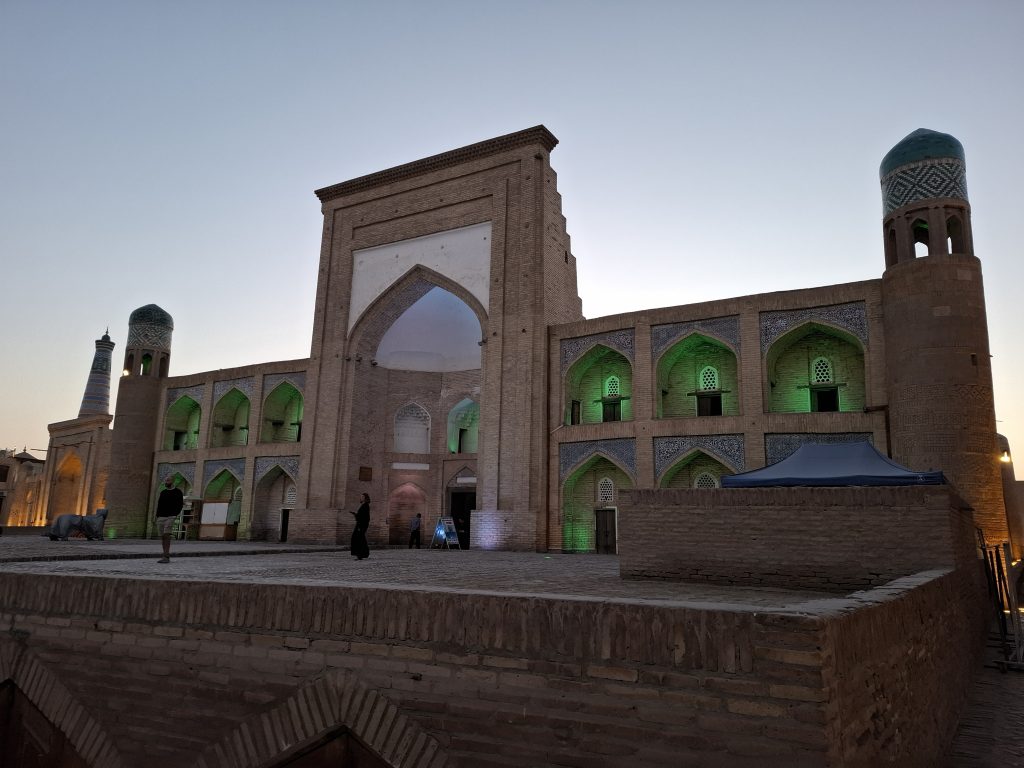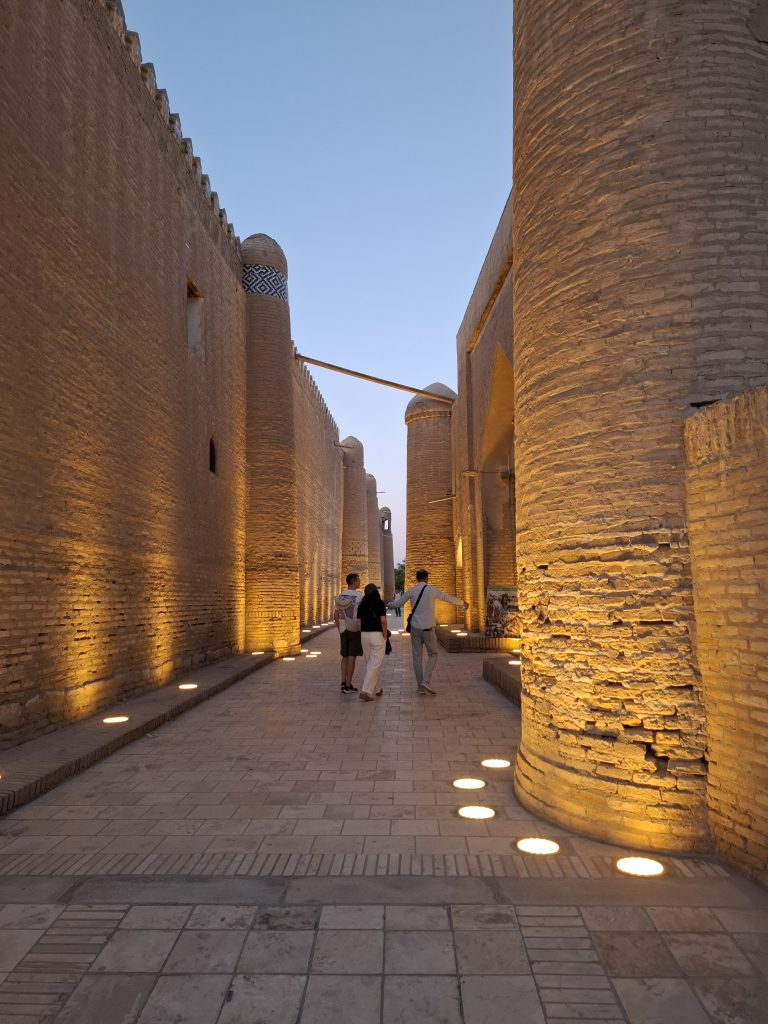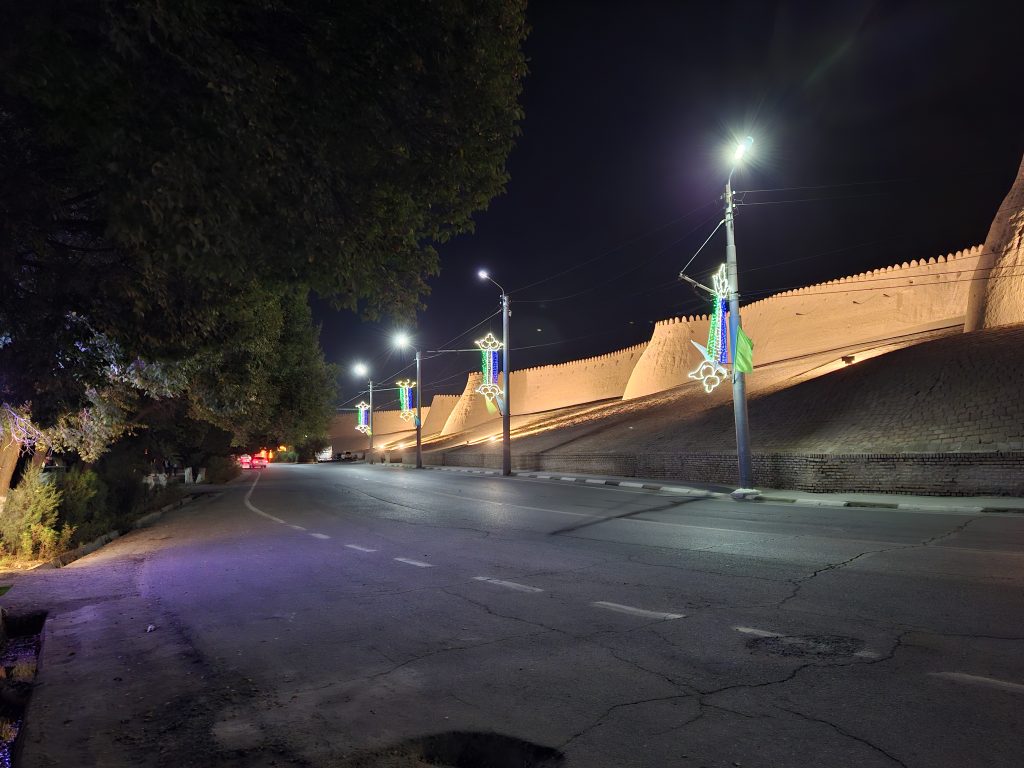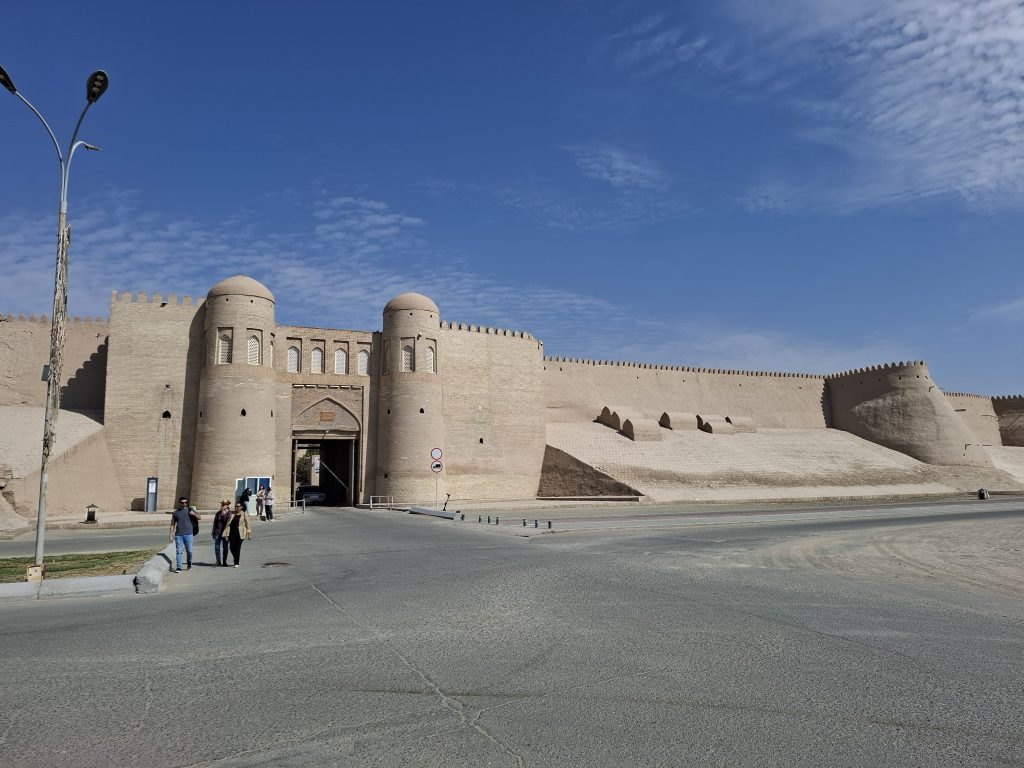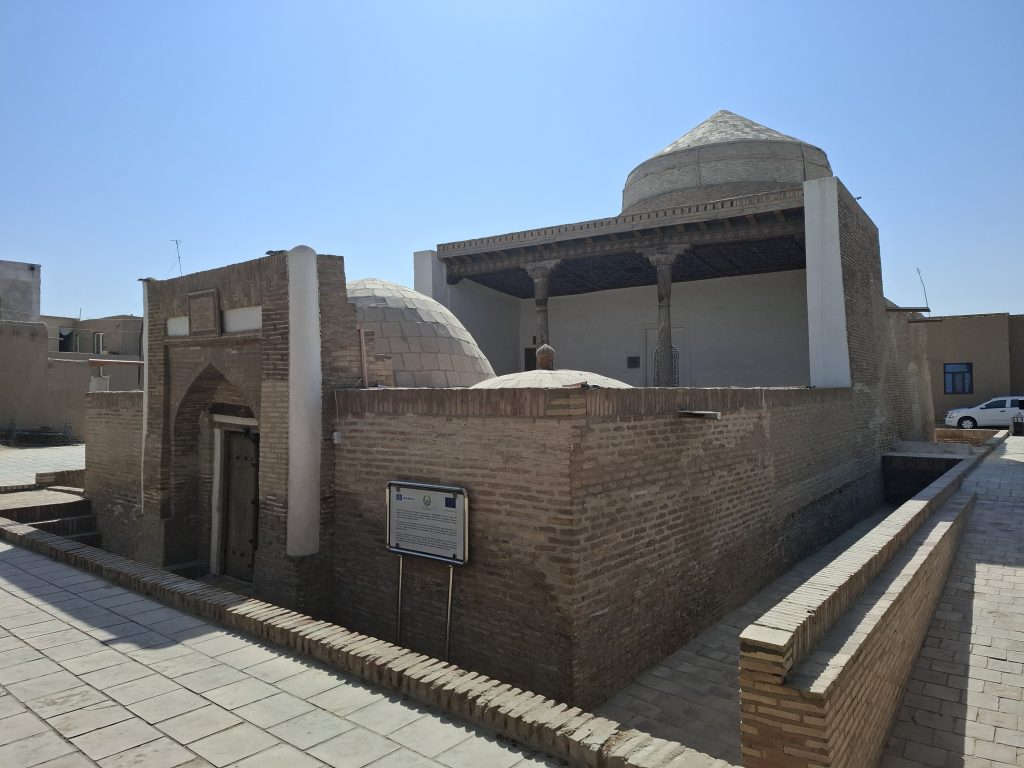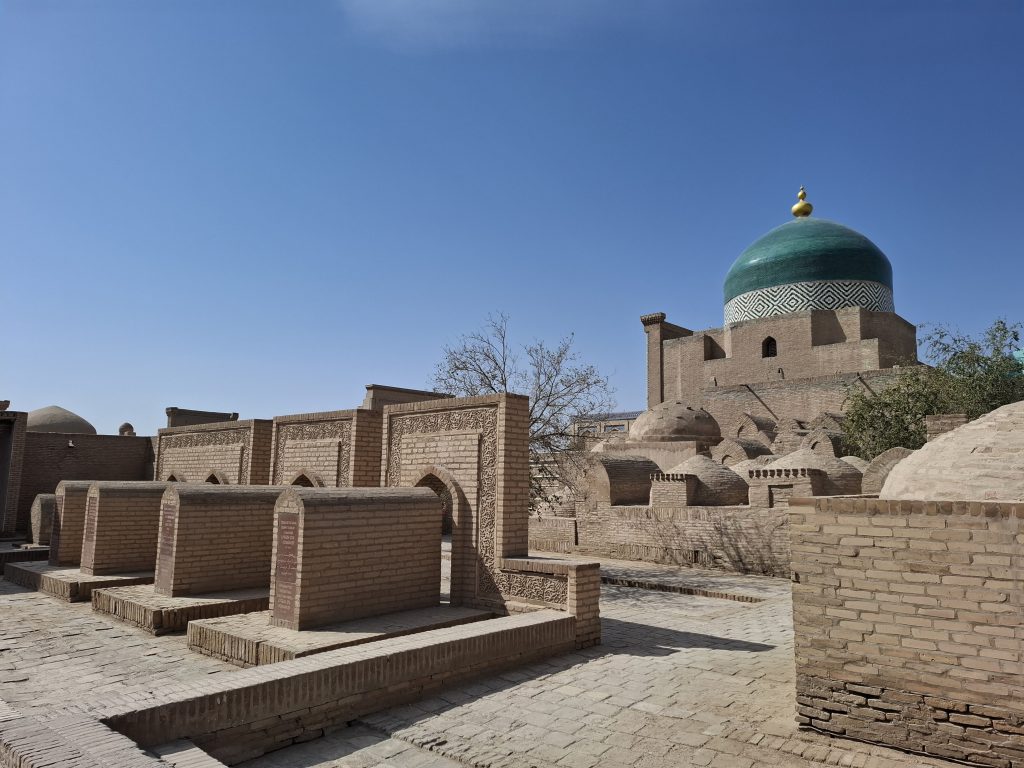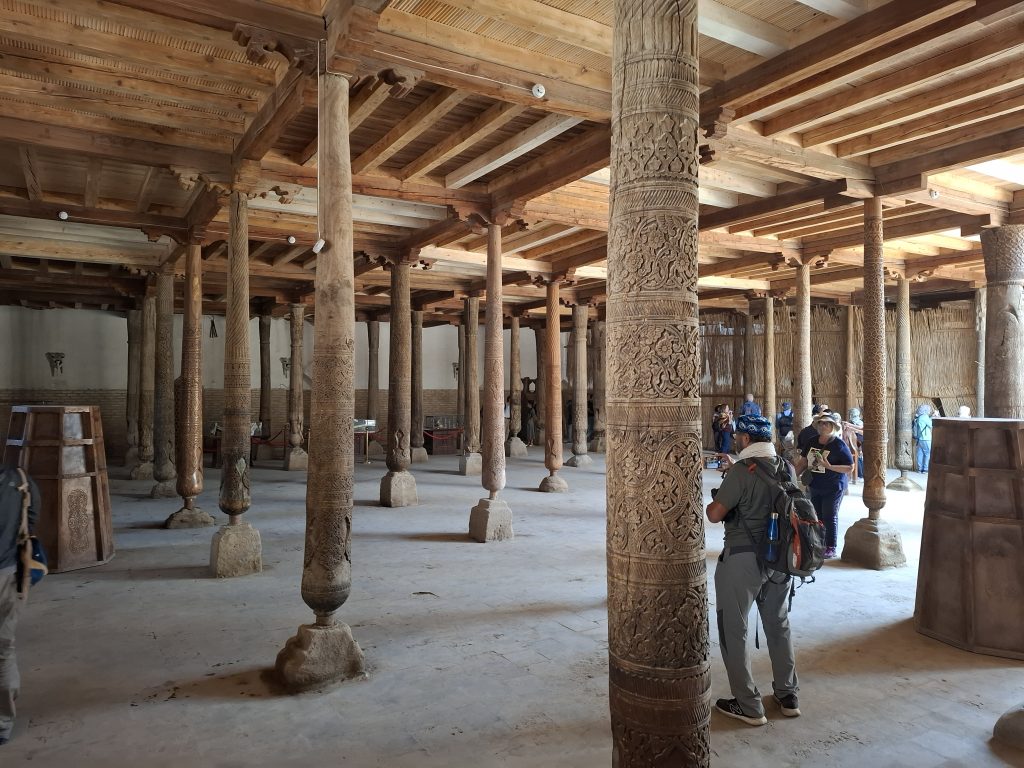
Khiva, Uzbekistan, is a living museum on the Silk Road! Long before the arrival of Uzbek tribes, Khorezm region, together with Khiva, was the center of an ancient Iranian-speaking civilization with advanced irrigation, own culture, and Zoroastrian traditions. Deserts acted as a natural barrier, isolating Khorezm from the major centers of Transoxiana (like Samarkand and Bukhara) to the east and the steppe nomads to the north. It developed as a self-sufficient, irrigated agricultural state, capable of sustaining itself without relying on its neighbors.
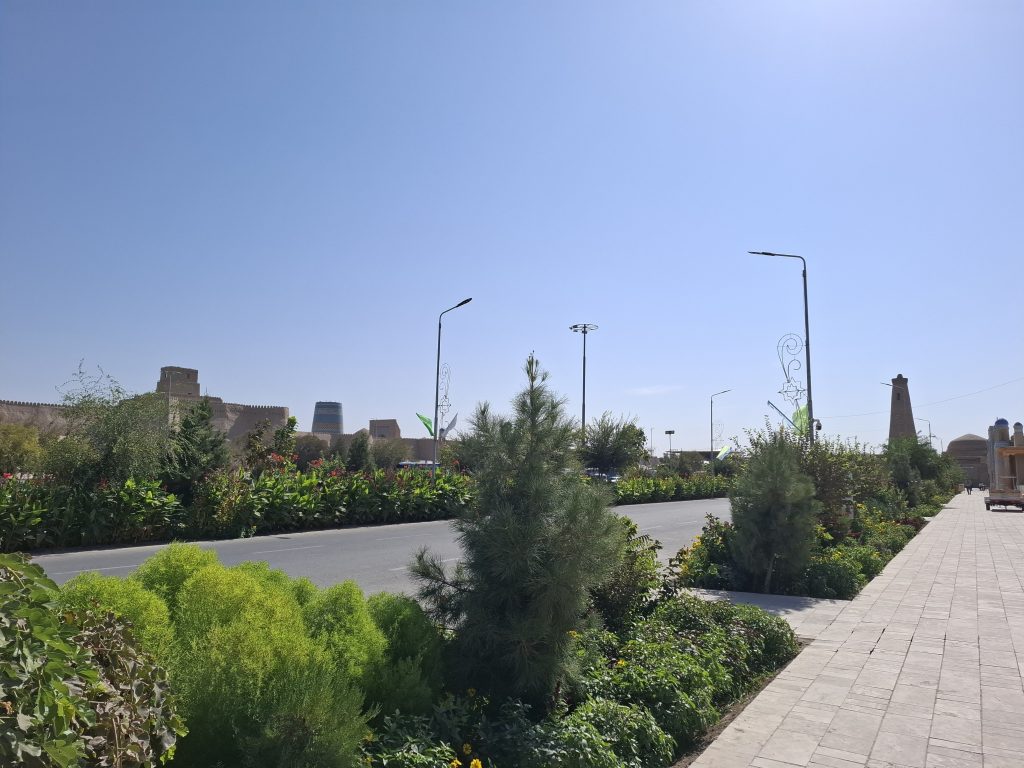
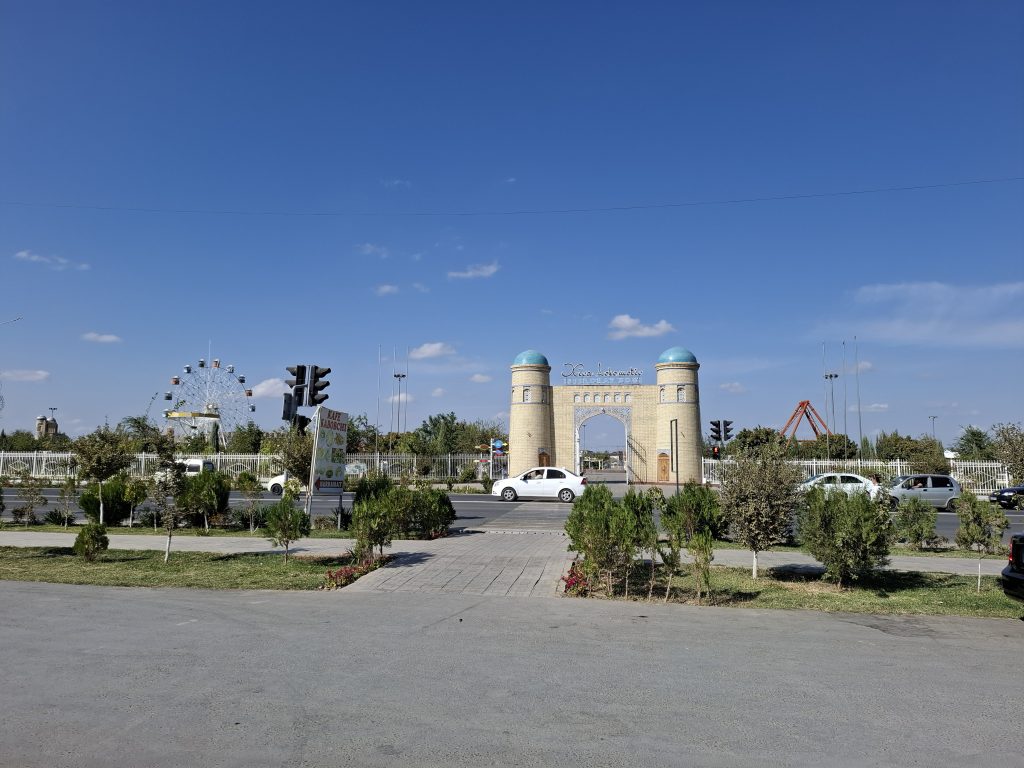
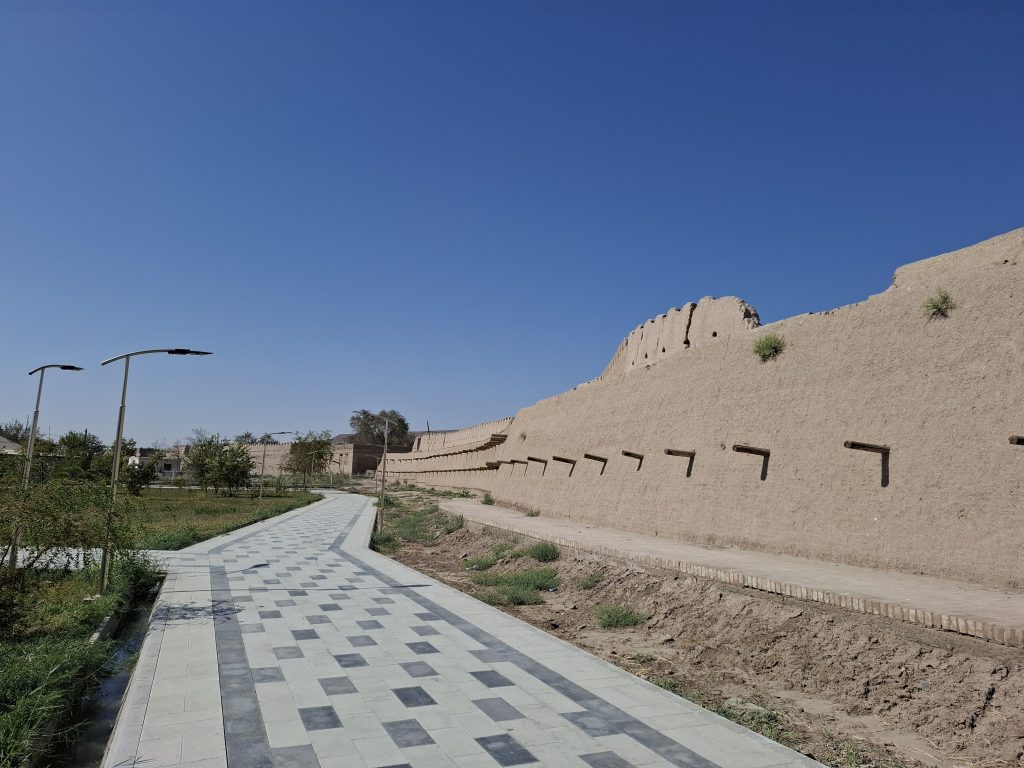
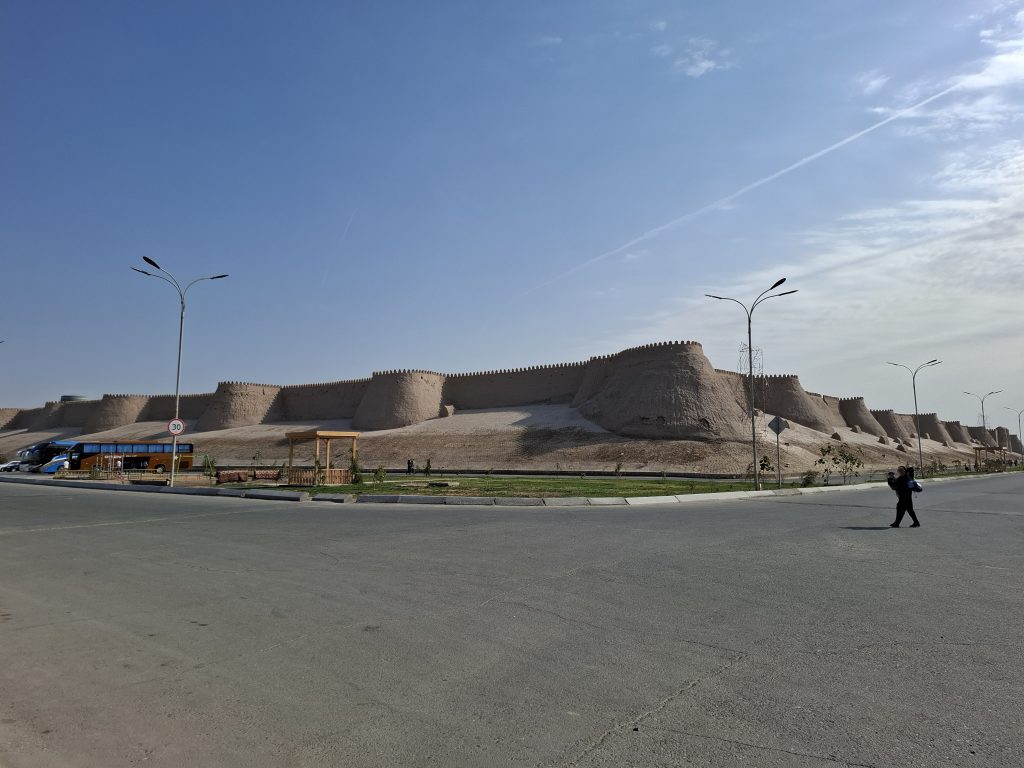
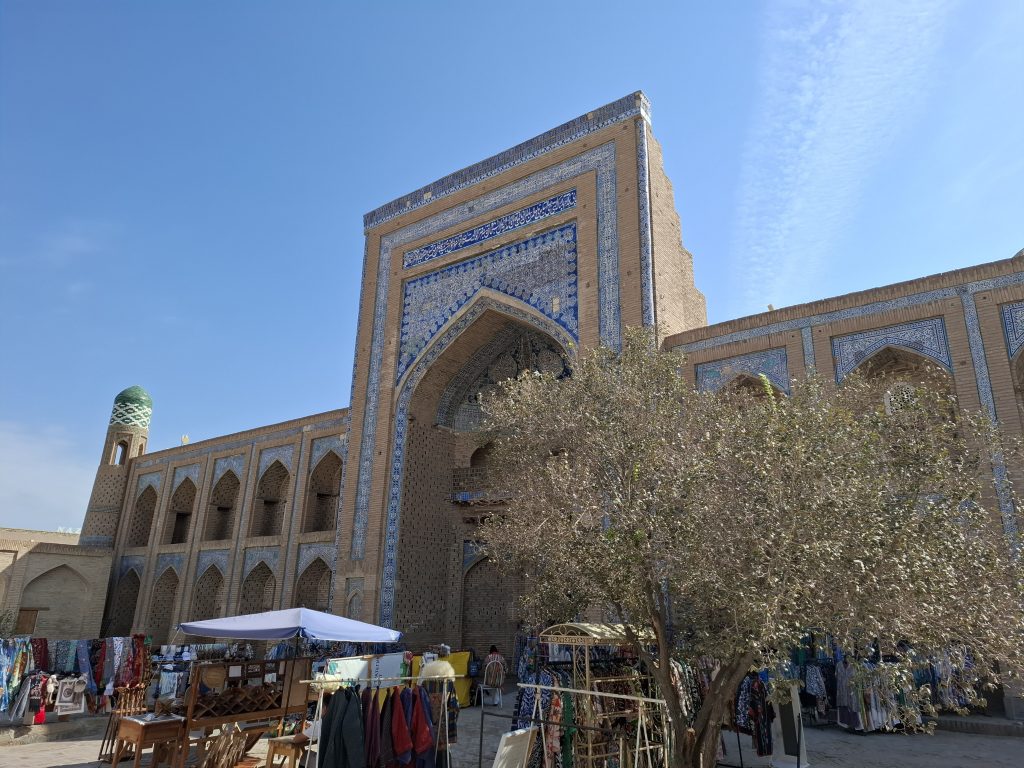
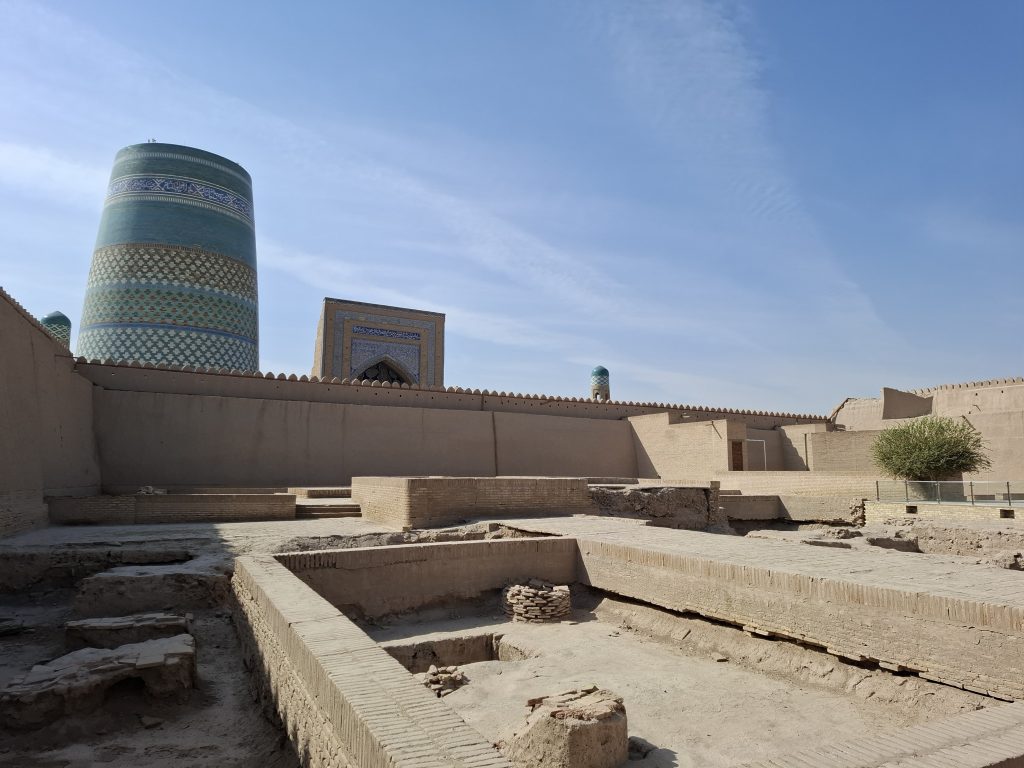
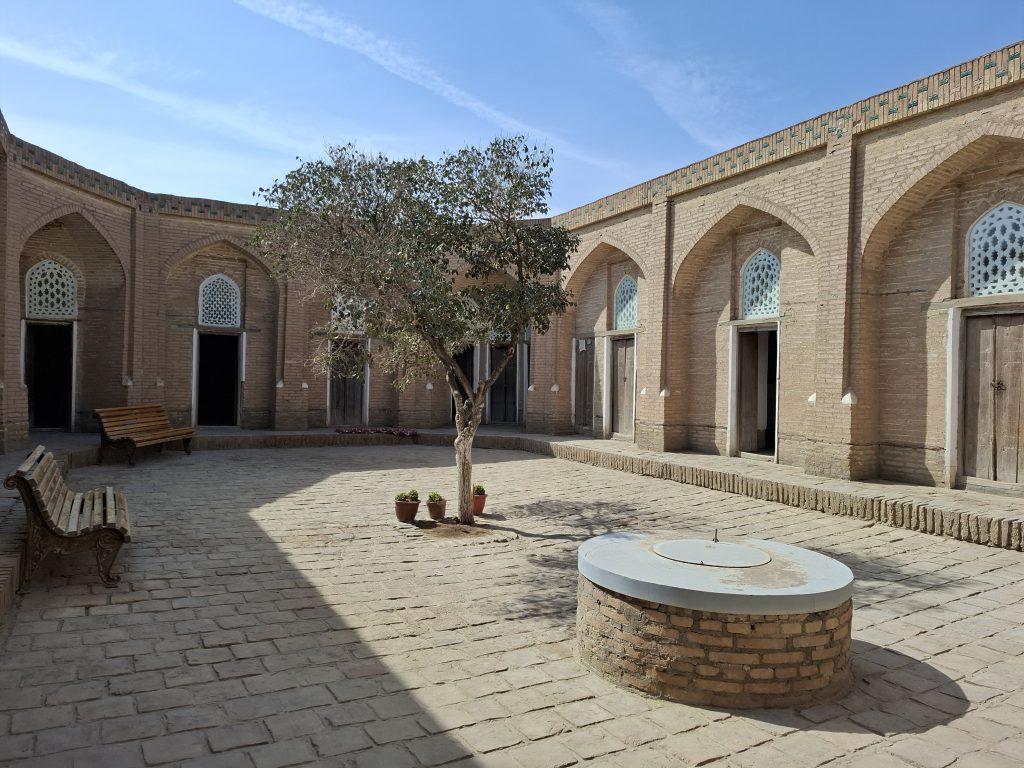
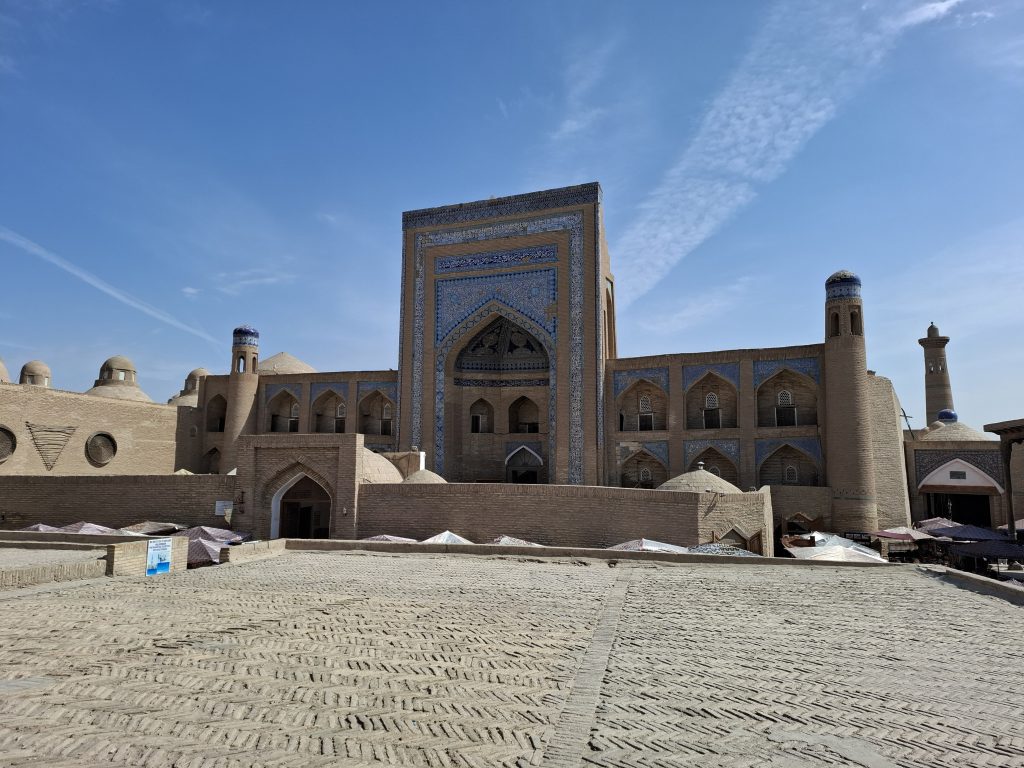
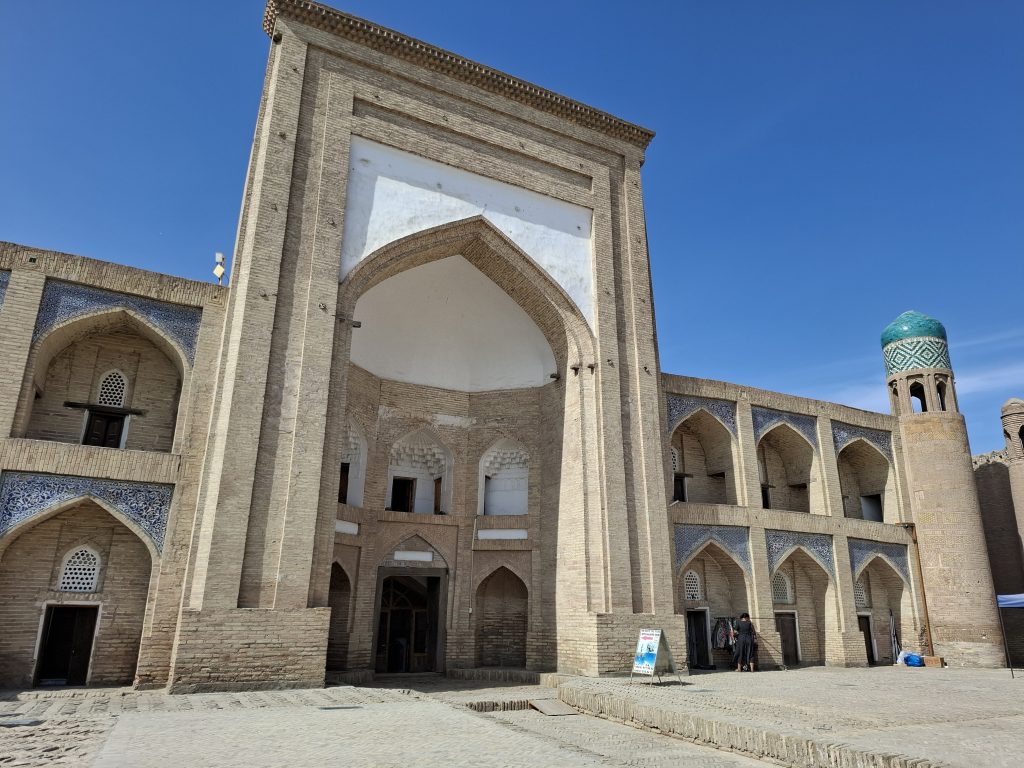
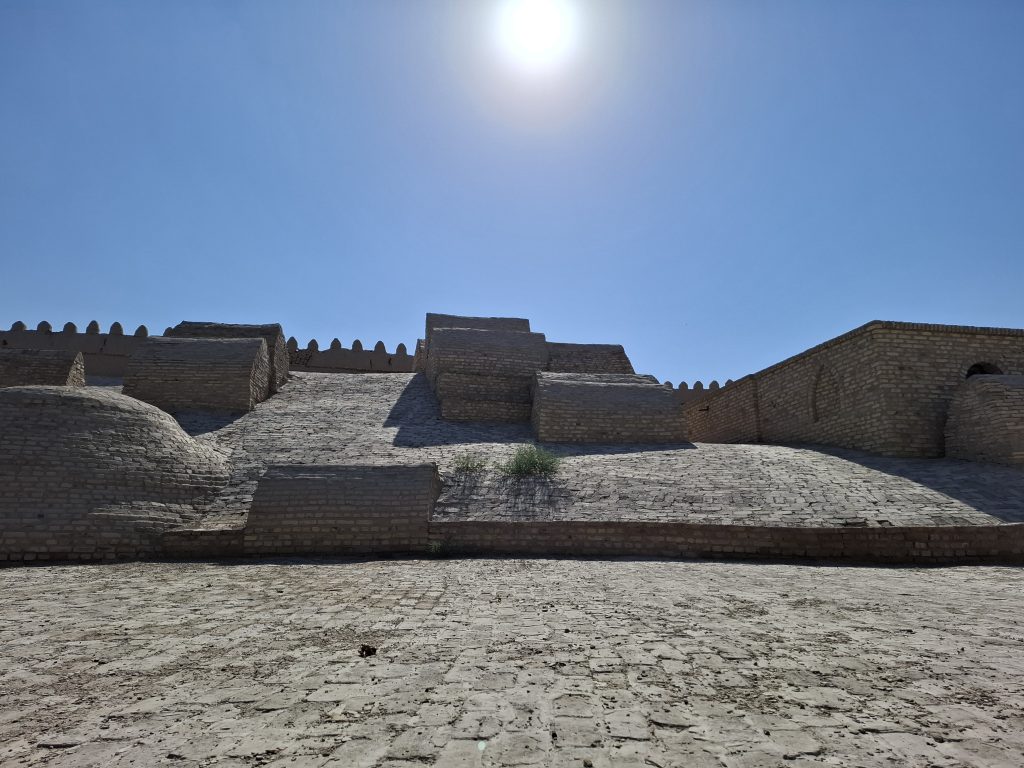
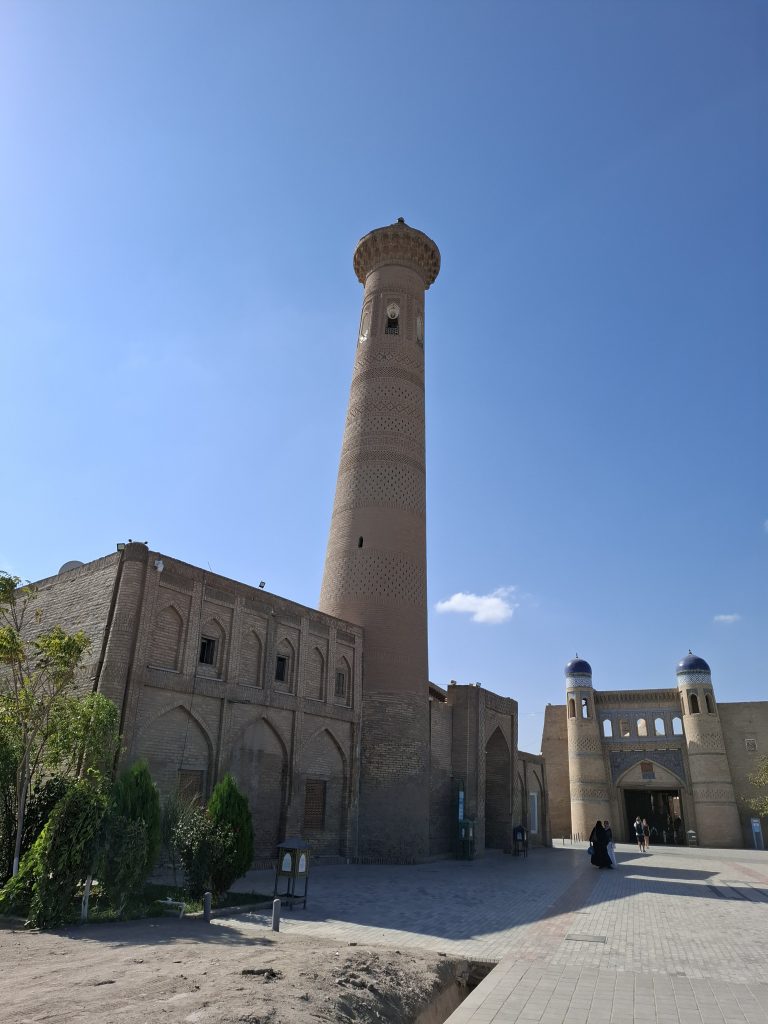
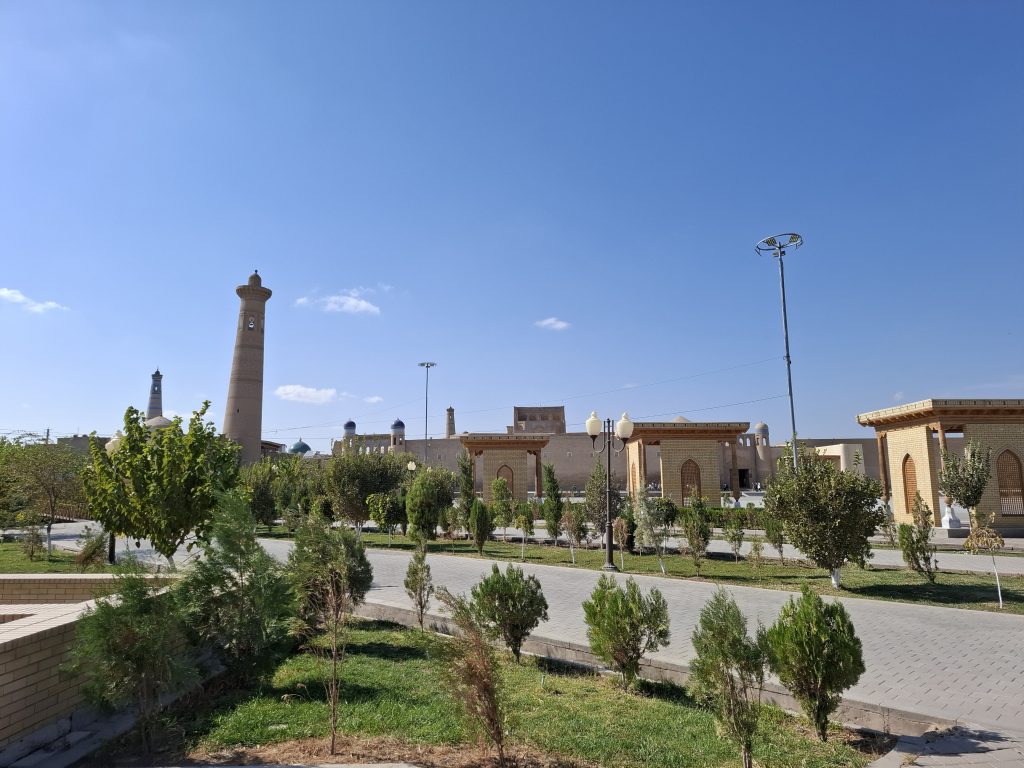
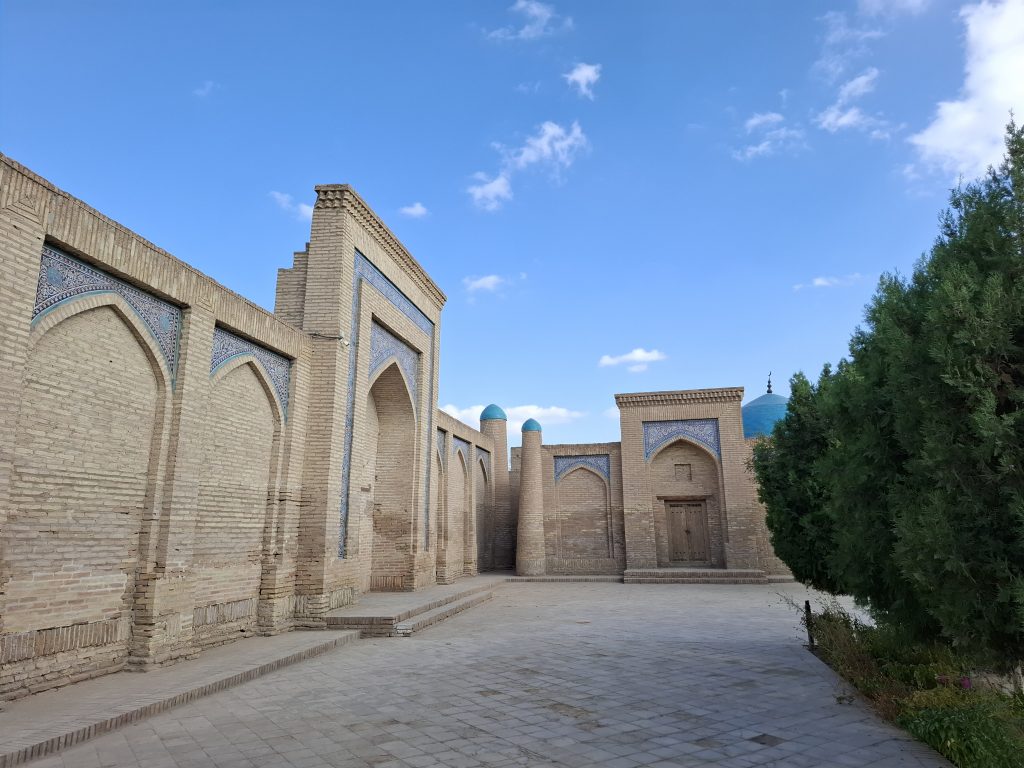
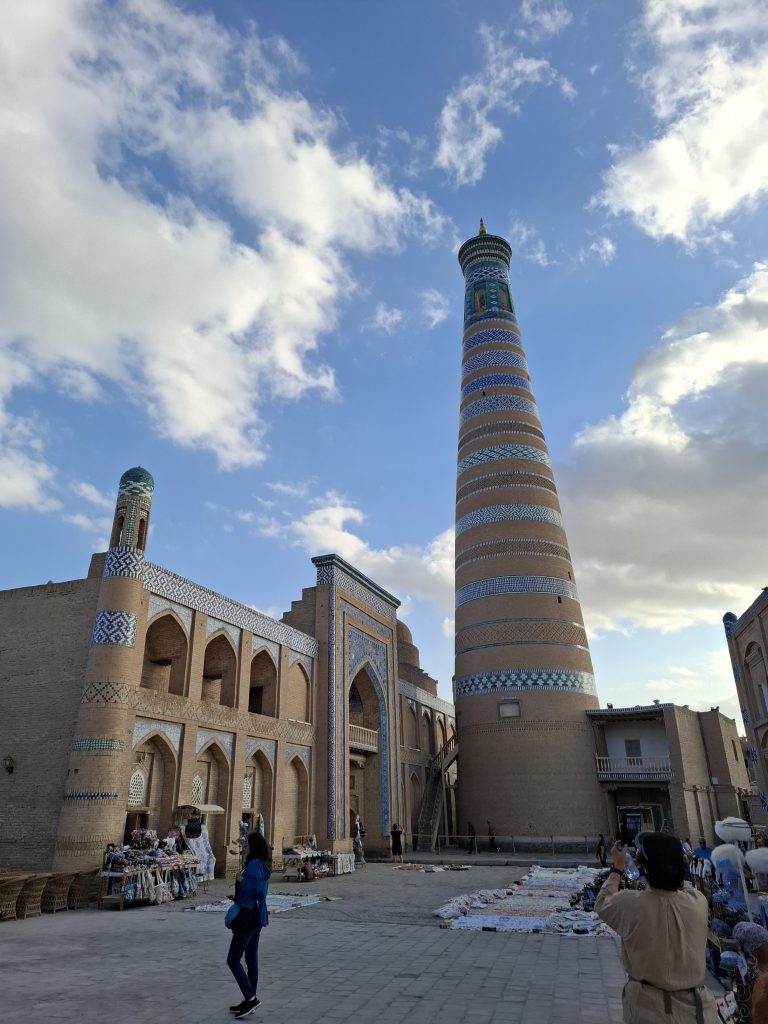
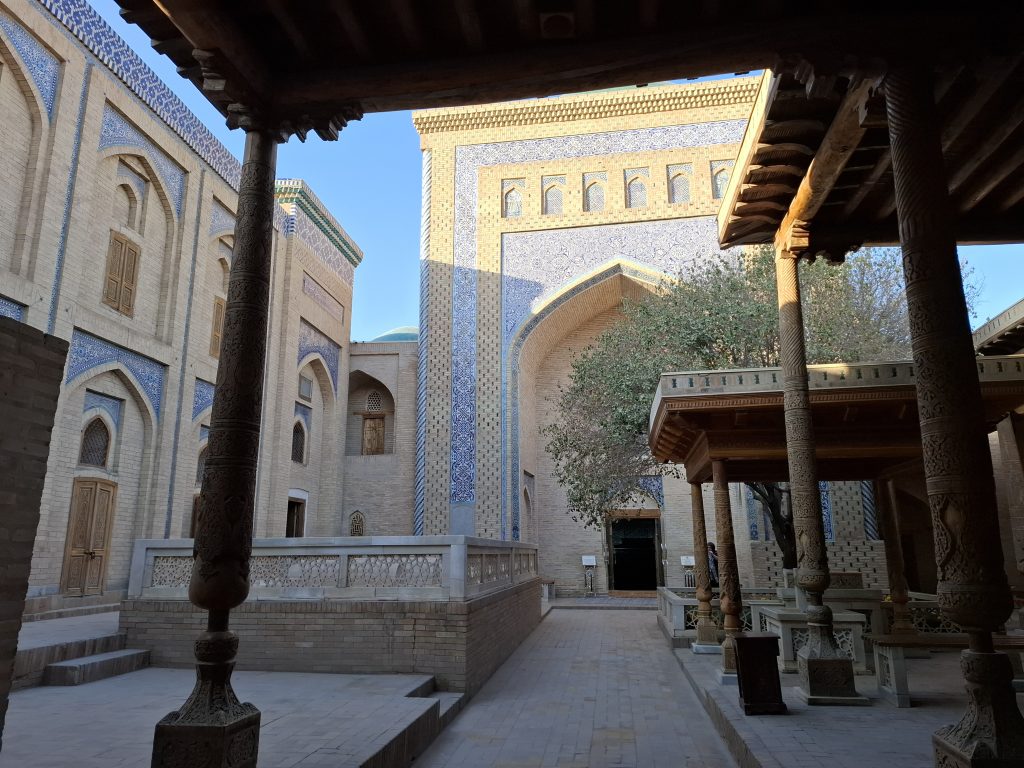
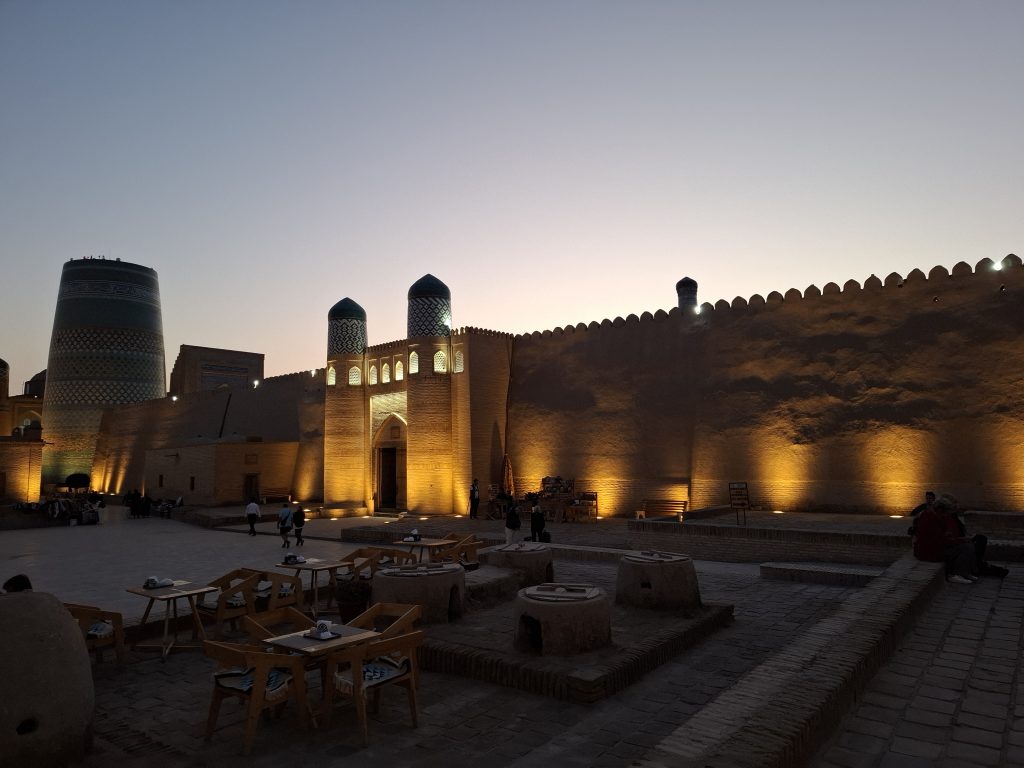
🏰 Ichan Kala: Lose yourself within the towering, sun-dried brick walls of this inner fortress. A UNESCO World Heritage site, it’s a perfectly preserved city-within-a-city, where every corner reveals a historic mosque, madrasah, or bustling market.
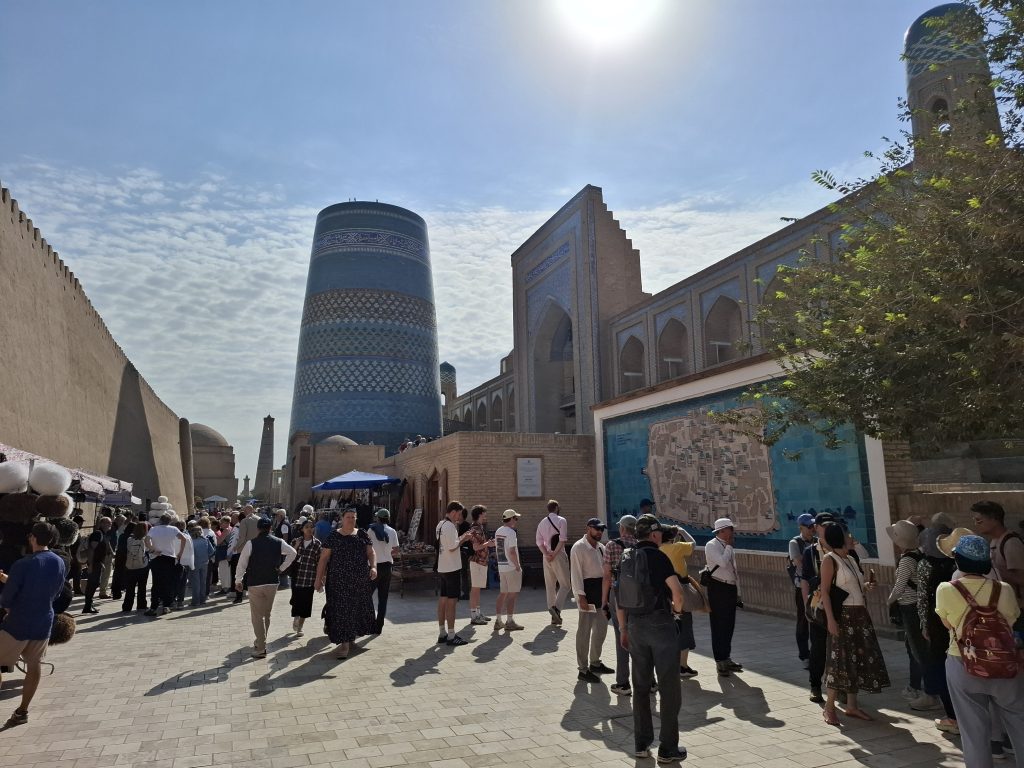
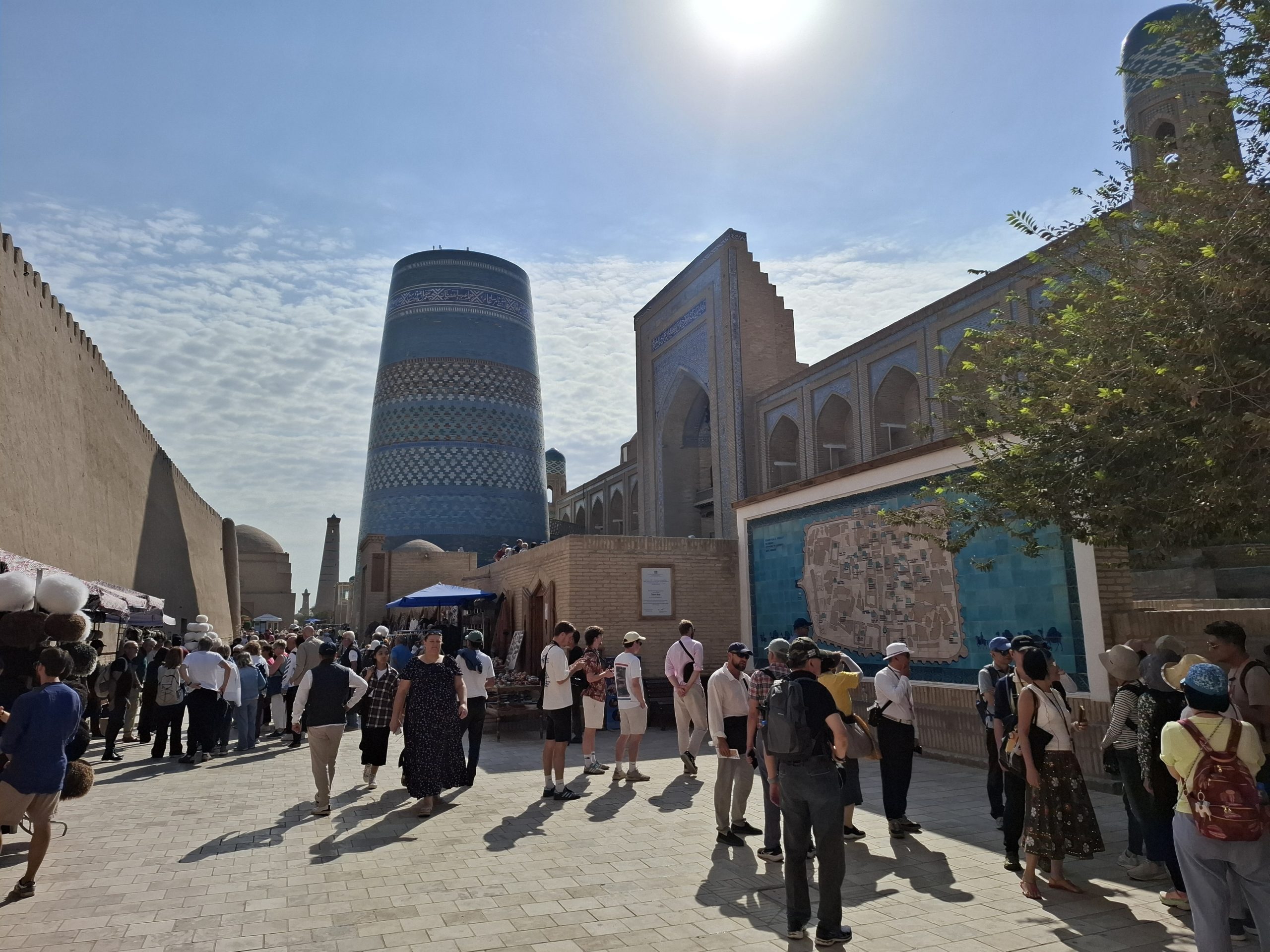
🕌 Kalta Minor Minaret: You can’t miss this iconic, unfinished minaret, covered in a breathtaking mosaic of turquoise tiles. It was intended to be the tallest in the Islamic world, but its construction was halted in the 19th century, leaving a uniquely stunning landmark.
🏛 Nurullaboy Saroyi: Discover the city’s “new” palace, a 20th-century complex built for the last Khan of Khiva. It blends traditional Khorezm architecture with elegant European influences, showcasing ornate halls and a beautiful harem section.
✈️🚋 Getting There: You can reach Khiva from the international airport of Urgench. From there, take a taxi or a trolleybus ride. Alternatively, you can get to Khiva with a train from Bukhara through picturesque Kyzylkum desert.
A journey to Khiva is a journey back in time! 🐫