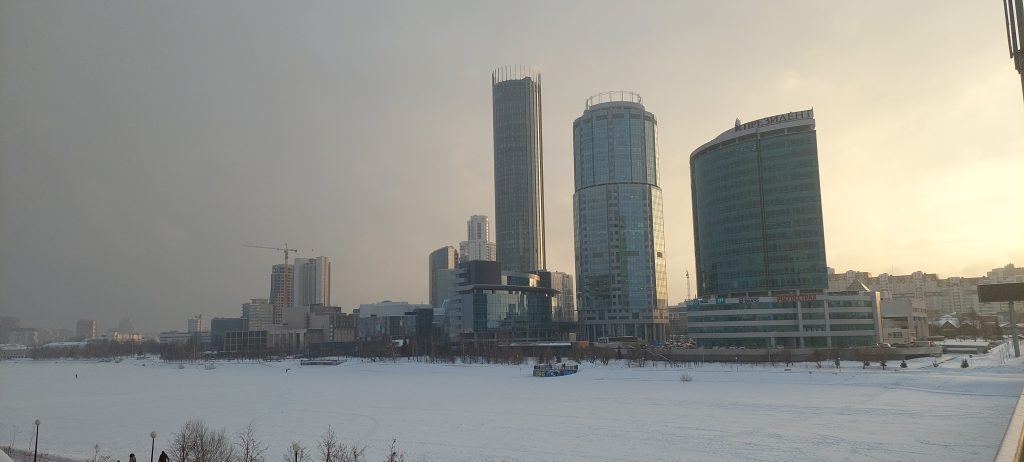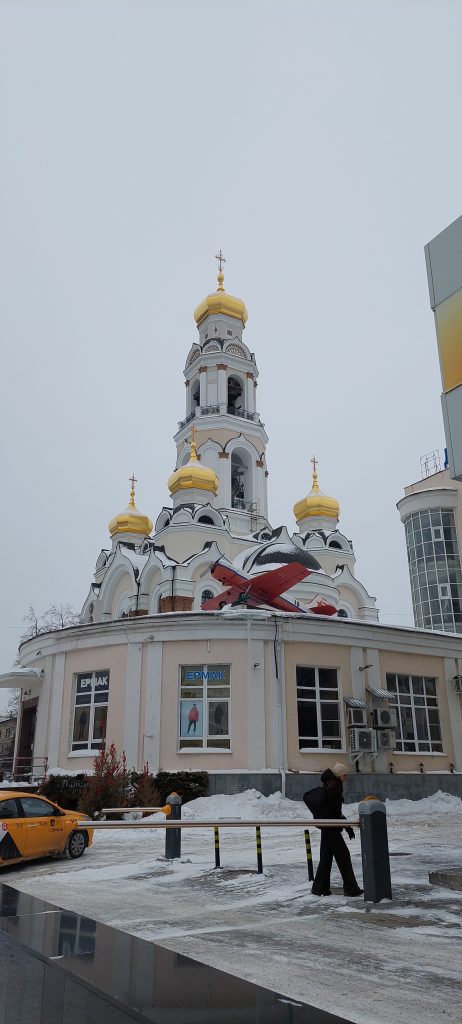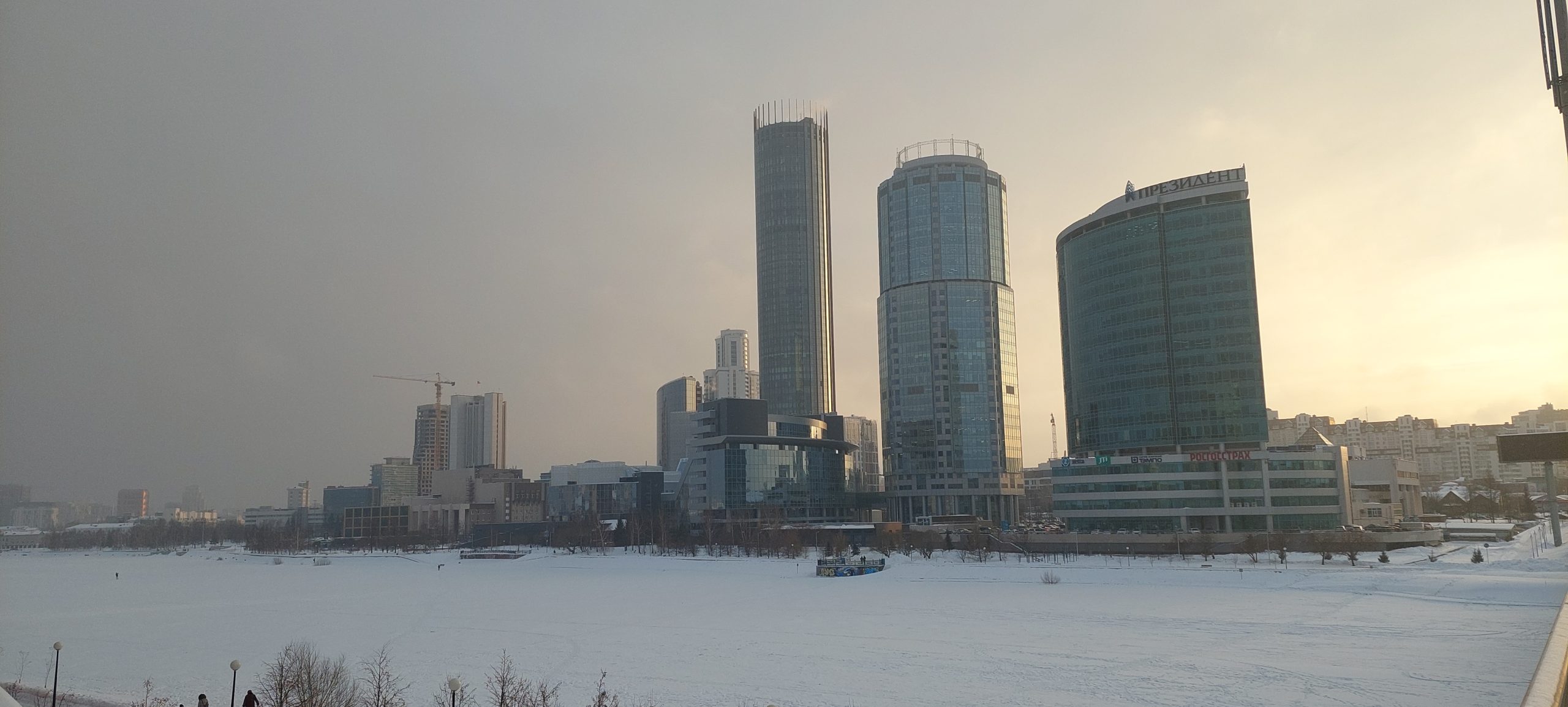
Looking beyond the classic Golden Ring cities? Head east to Ekaterinburg, Russia‘s fourth-largest city and the historical “Gateway to Siberia.” Founded in 1723 as a strategic industrial hub on orders from Peter the Great, this city witnessed one of the 20th century’s defining moments: the execution of the last Russian Tsar, Nicholas II, and his family in 1918.
During the Soviet era, Ekaterinburg, then known as Sverdlovsk, was transformed from a historic industrial city into a closed administrative and industrial powerhouse, known as “the industrial capital of the Urals”, crucial to the USSR‘s economy and security. Due to its concentration of strategic defense industries, the city was closed to foreigners for decades. It was also a key node on the Trans-Siberian Railway, cementing its status as a vital logistical hub connecting European Russia with Siberia.
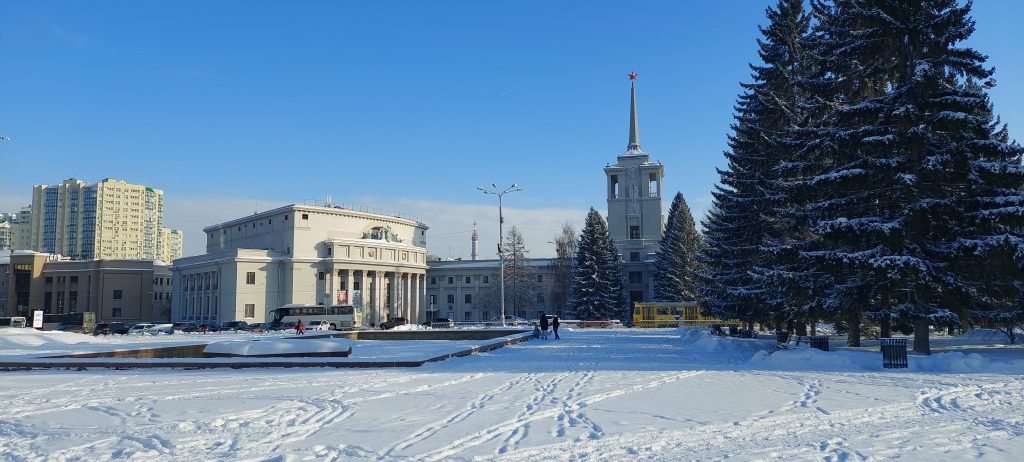
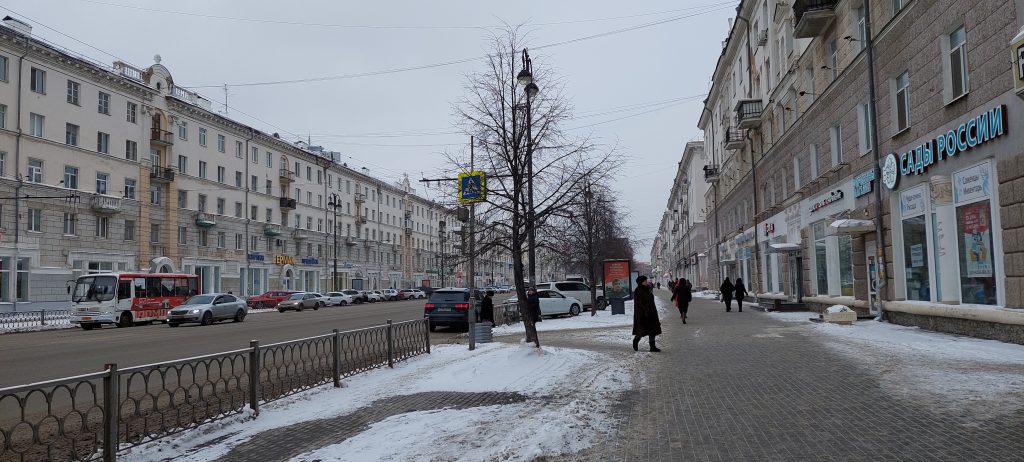
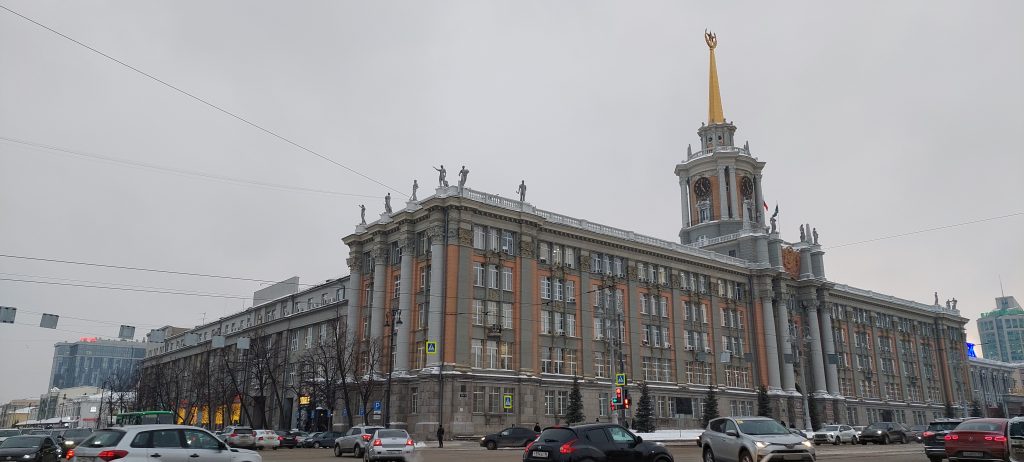
Beyond industry, Sverdlovsk was a significant hub for science and culture with the presidium of the Ural Branch of the Russian Academy of Sciences and a renowned opera and ballet theater. The city is also noted for its Constructivist architecture from the 1920s and 1930s.
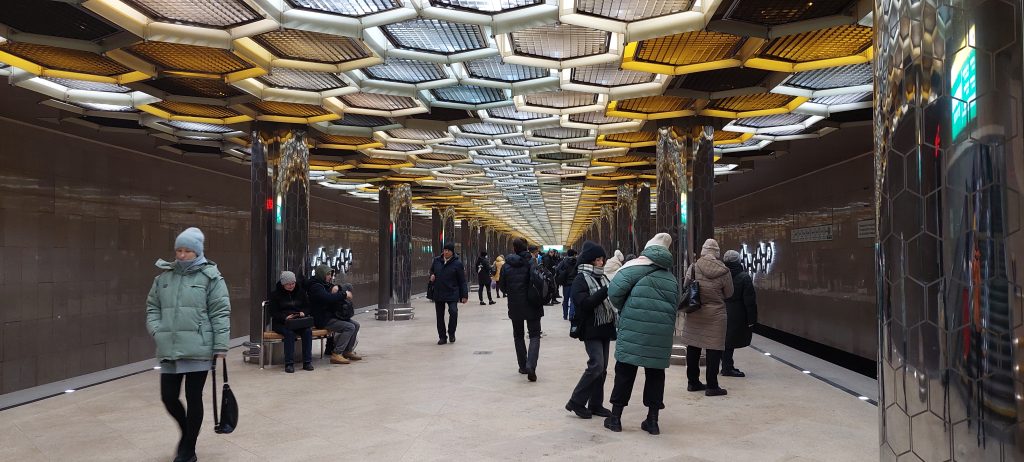
A key symbol of its enduring importance is the Yekaterinburg Metro. Opened in April 1991, it was the thirteenth and final metro system inaugurated in the USSR. Its stations, like Geologicheskaya, decorated with Ural gemstones, were designed as “palaces for the people,” reflecting classic Soviet values even as the state neared its end.
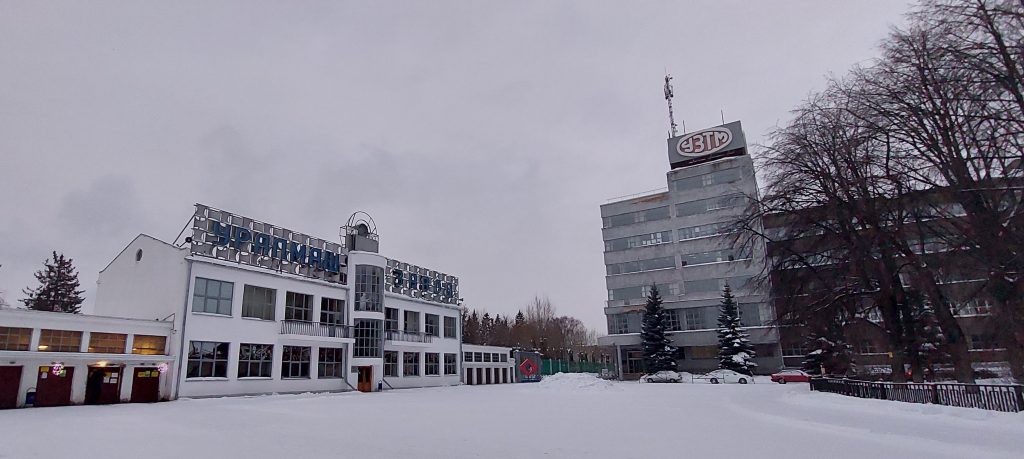
The Soviet legacy directly shaped the turbulent post-Soviet 1990s. The collapse of the command economy led to chaos, with infamous gang wars erupting among groups like the “Uralmash” gang for control over former state assets. In 1991, the city reverted to its historical name, Yekaterinburg.
Today, Yekaterinburg is a vibrant metropolis where this layered past meets modern energy, all set against the backdrop of the Ural Mountains.
🔑 Key Attractions:
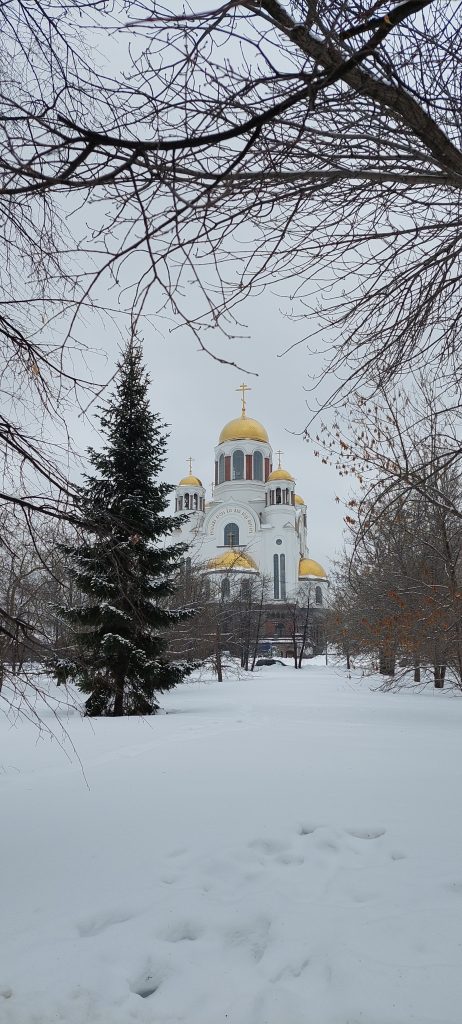
- The Church on the Blood: Built on the exact site of the Romanov execution, this stunning modern church is a profound memorial to the tragic end of imperial Russia.
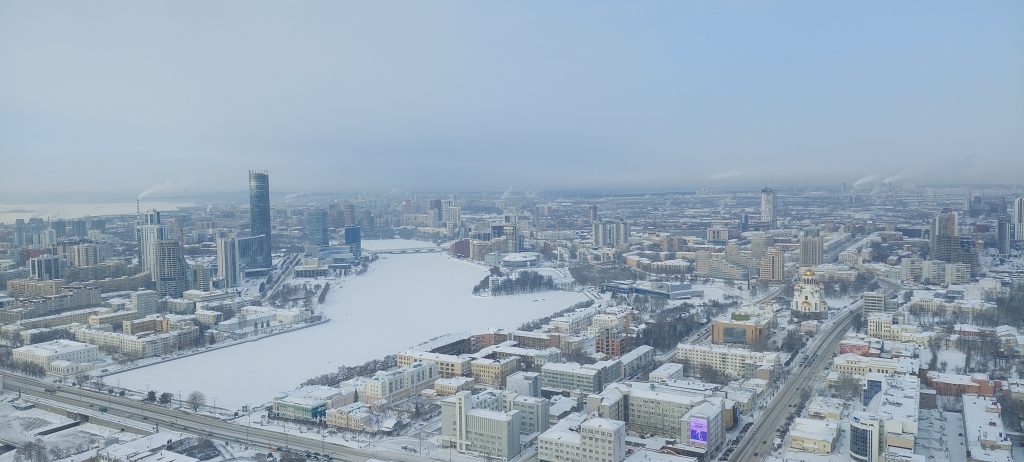
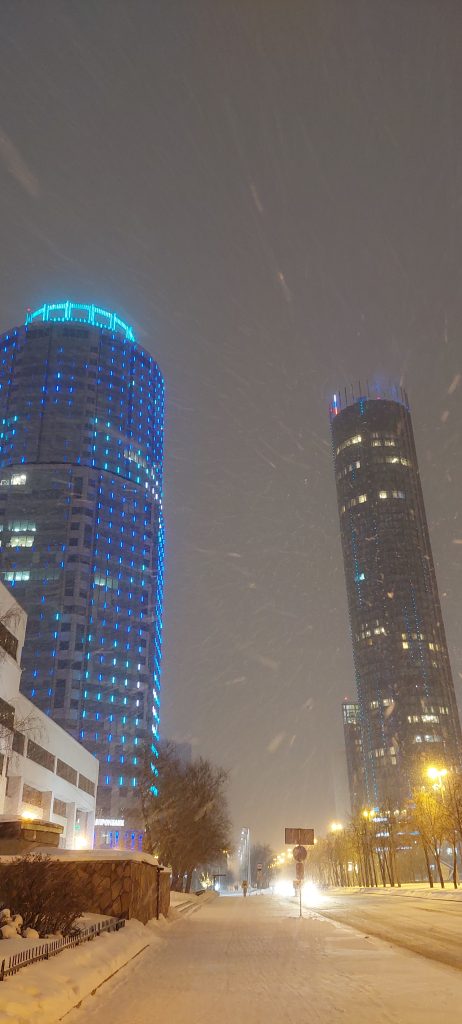
- Vysotsky Skyscraper: For a complete contrast, ascend to the observation deck on the 52nd floor for breathtaking panoramic views of the sprawling city and the distant Urals.
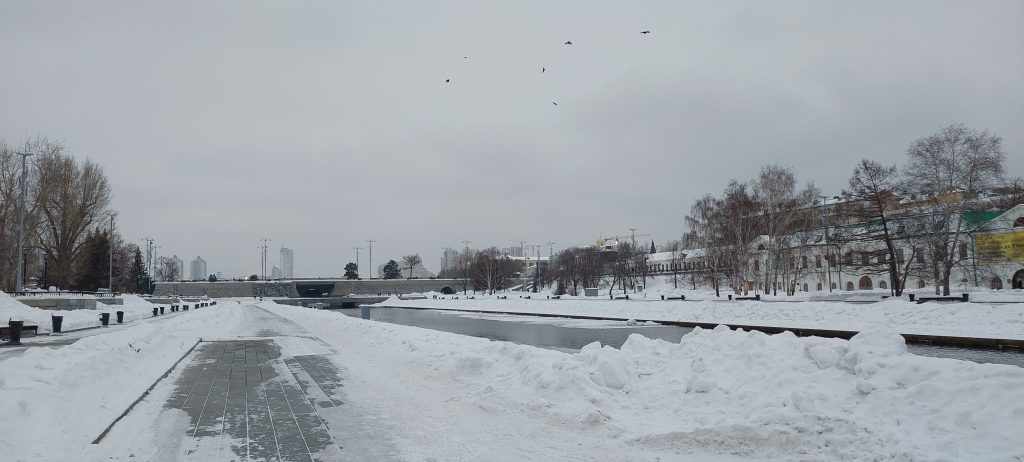
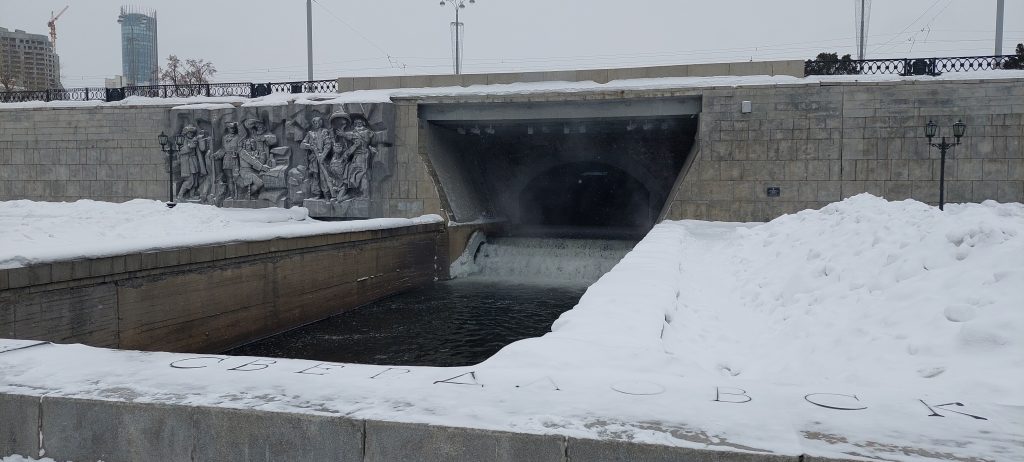
- Plotinka (The Historic Dam): This is where the city began. The stone dam on the Iset River created the city pond and powered its first ironworks. It’s now the favorite promenade for locals.
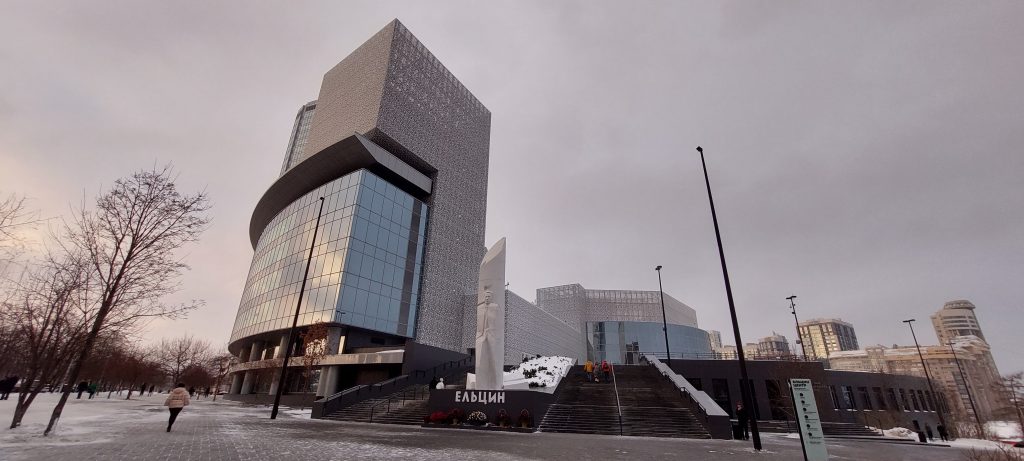
- The Yeltsin Center: A modern museum dedicated to Boris Yeltsin, the first President of Russia who began his career here. It’s a fascinating, high-tech deep dive into the country’s recent history.
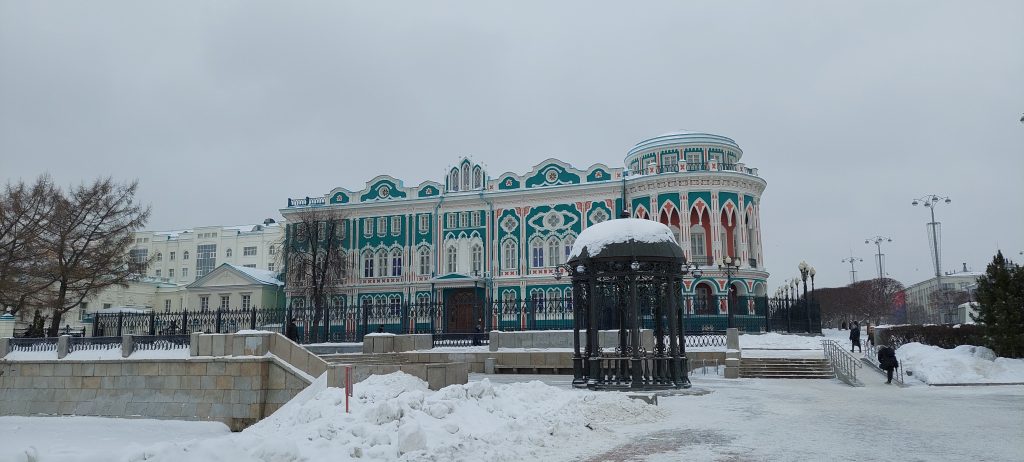
- Sevastyanov House: Marvel at this ornate, Gothic-Revival mansion on the city pond—it’s arguably the most beautiful building in Yekaterinburg and a symbol of its 19th-century merchant wealth.
✈️ Travel Tip: Don’t miss the chance to take a short trip to the Europe-Asia Border Monument just outside the city and stand with a foot on each continent. The best time to visit is during the mild summers.
Ready to explore the Ural capital?