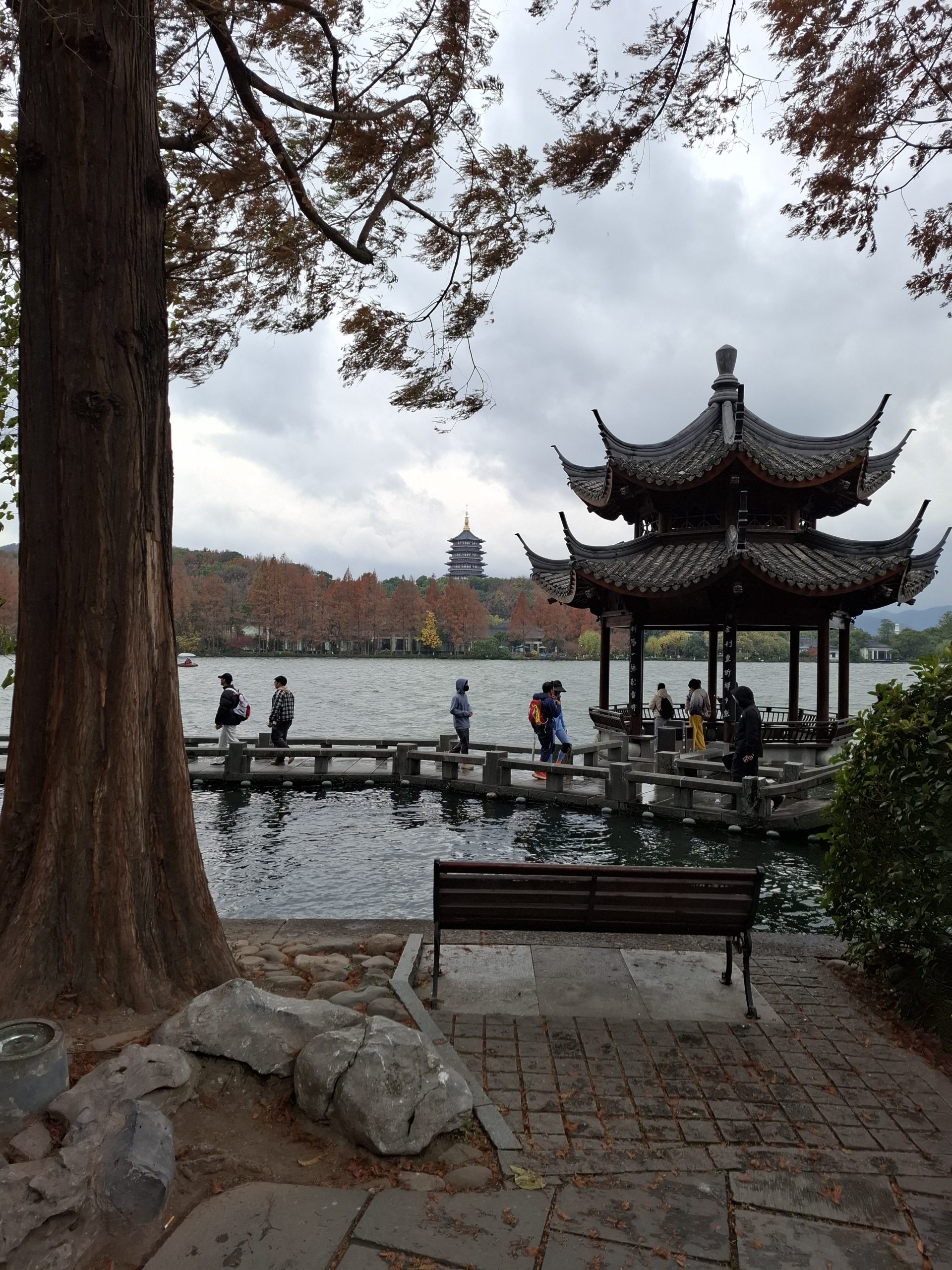
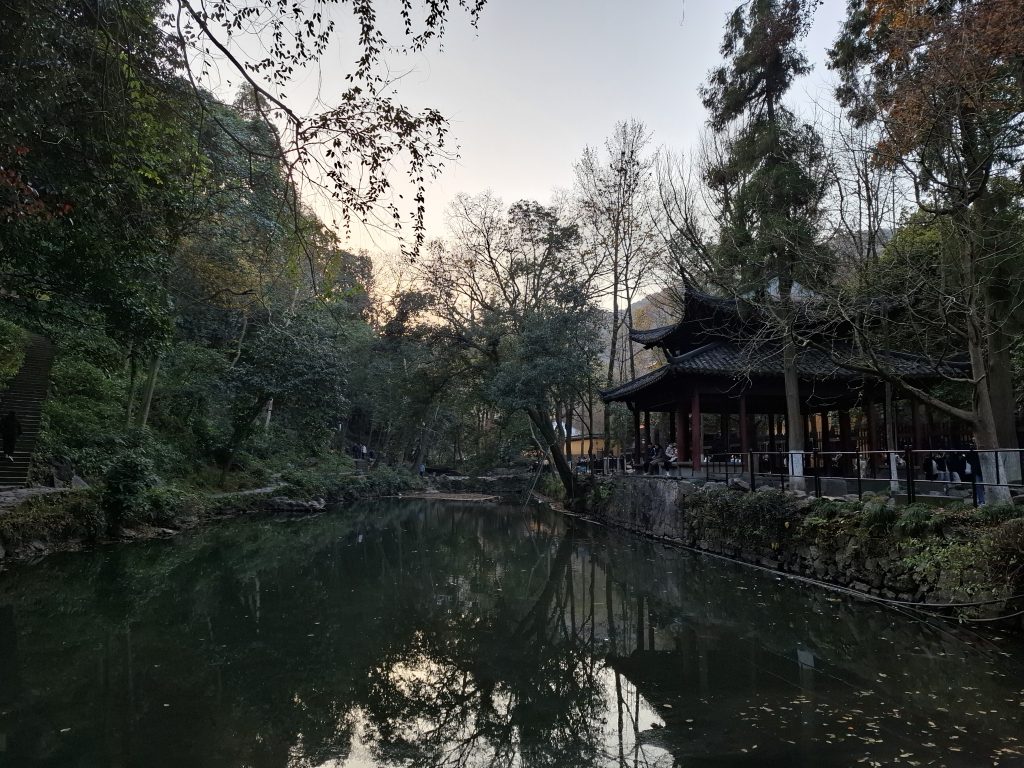
Hangzhou is a relatively unknown destination for a foreign tourist in China. However, it only makes the city better. Forget what you know about modern metropolises. The Southern Song Dynasty (南宋) had its capital in Lin’an (临安), present-day Hangzhou, from 1129 AD until the dynasty’s fall in 1279 AD, a period of 150 years. Dubbed “Heaven on Earth”, it’s a city where tranquil West Lake reflects pagodas, ancient temples nestle in misty hills, and a vibrant history is woven into every street.
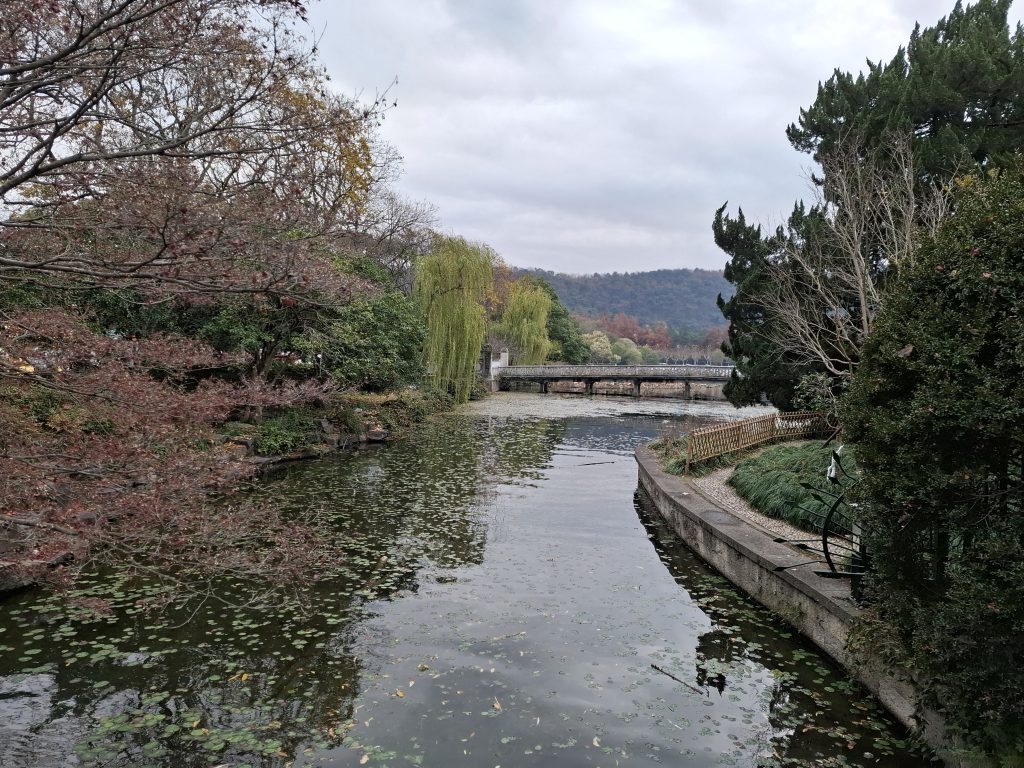
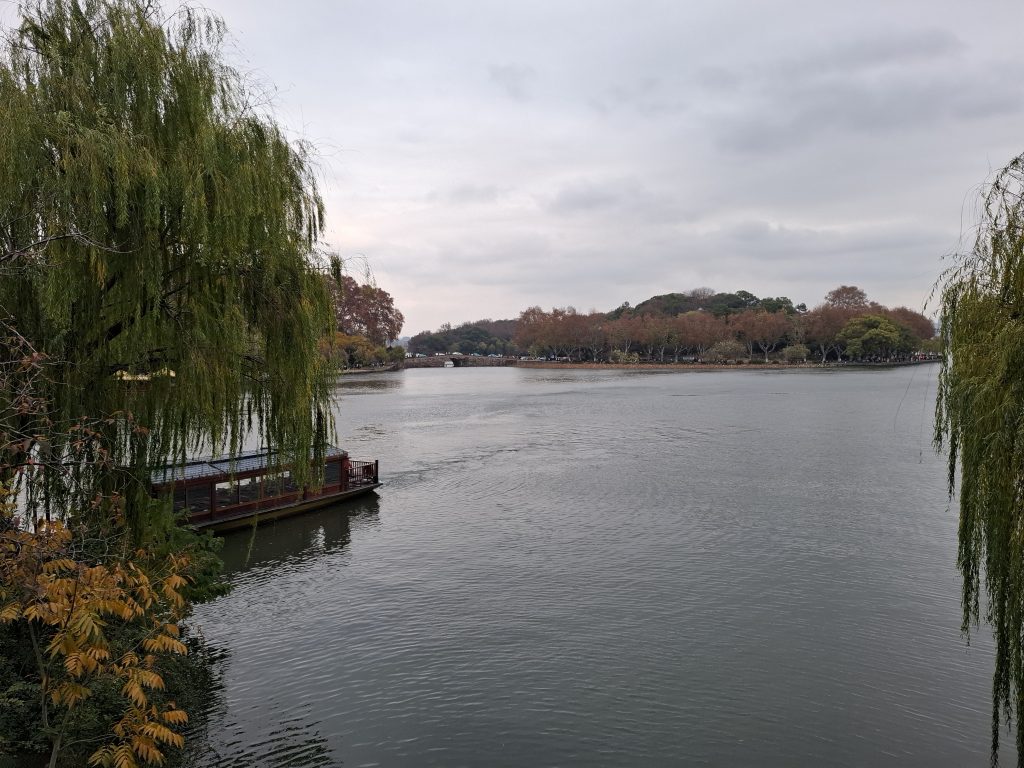
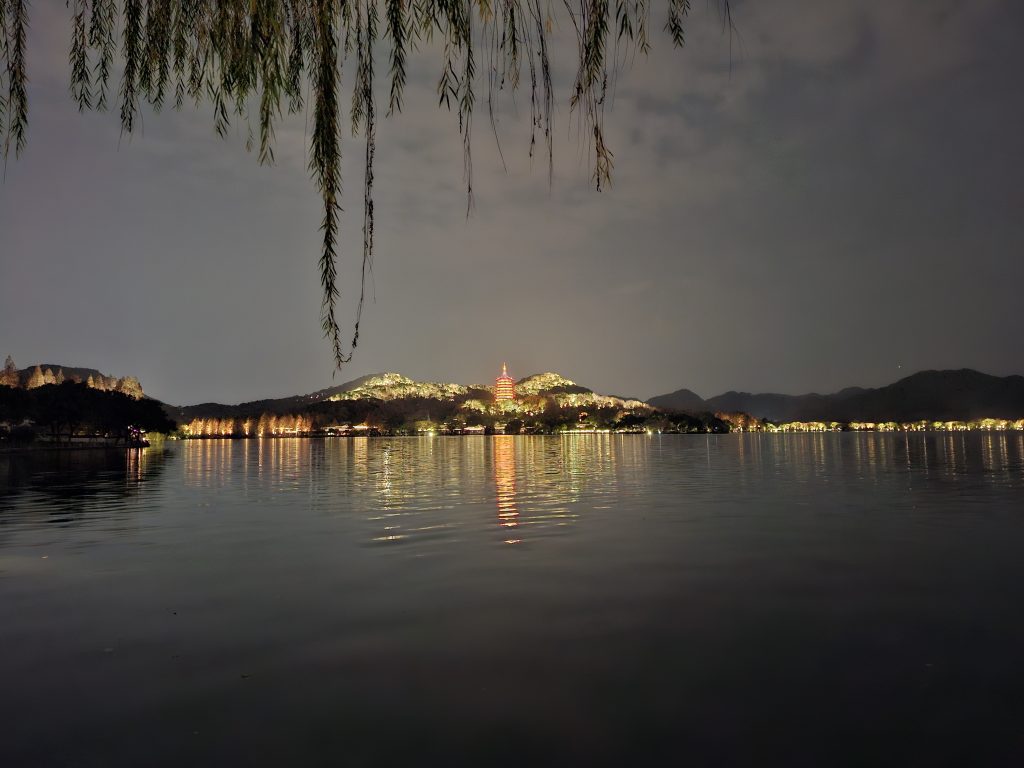
West Lake
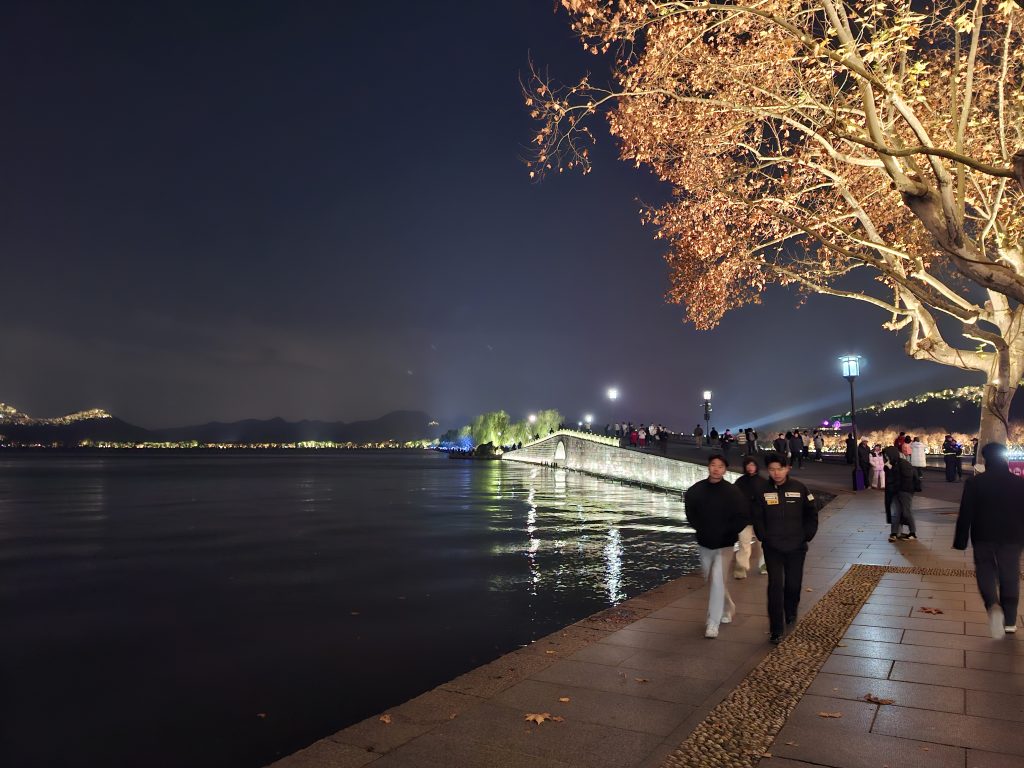
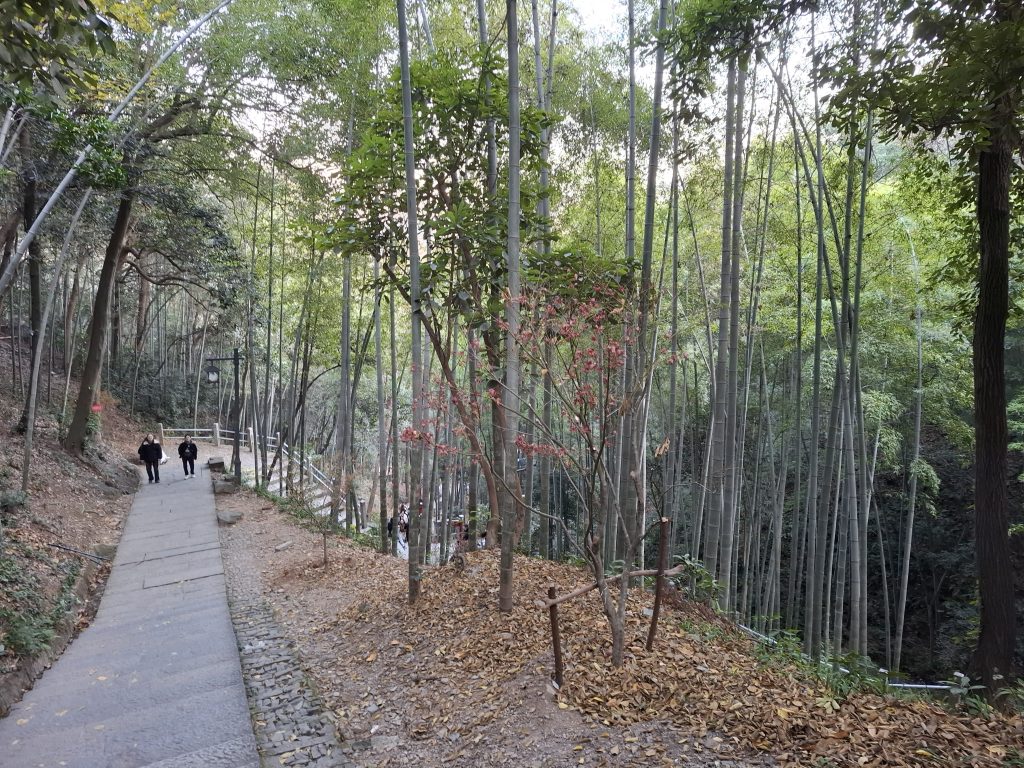
The city’s poetic heart, inspiration for artists for over a millennium. A walk around the lake will easily take more than 10 kilometers. That is, with shortcuts such as Yunqi Bamboo Path (云栖竹径), a human-made road that cuts the lake in half.
Designated a UNESCO World Heritage site in 2011, West Lake is celebrated as a “classic example” of the Chinese philosophy of harmony between humans and nature. For over a thousand years, its beauty, crafted by both natural evolution and human care, has been the muse for poets, painters, and emperors.
West Lake began as a shallow bay over 2,000 years ago. Its iconic landscape is the result of centuries of thoughtful human cultivation. The lake’s enduring appeal is perfectly captured by the Song Dynasty poet Su Shi: “The West Lake is like a lovely lady, whether modestly or lavishly dressed, she is always a sight to behold.”
To navigate around the lake and the wider scenic area, follow the “Ten Scenic Views” that offer stunning perspectives through the seasons. Key spots include:
- Three Pools Mirroring the Moon (三潭印月). It offers a view of the iconic stone pagodas that appear on the 1 RMB note.
- Su Causeway (苏堤) & Bai Causeway (白堤) are serene walkways lined with willow and peach trees, perfect for a lakeside stroll.
- Broken Bridge (断桥) is famous for its winter “Melting Snow” scene and its connection to the classic Legend of the White Snake.
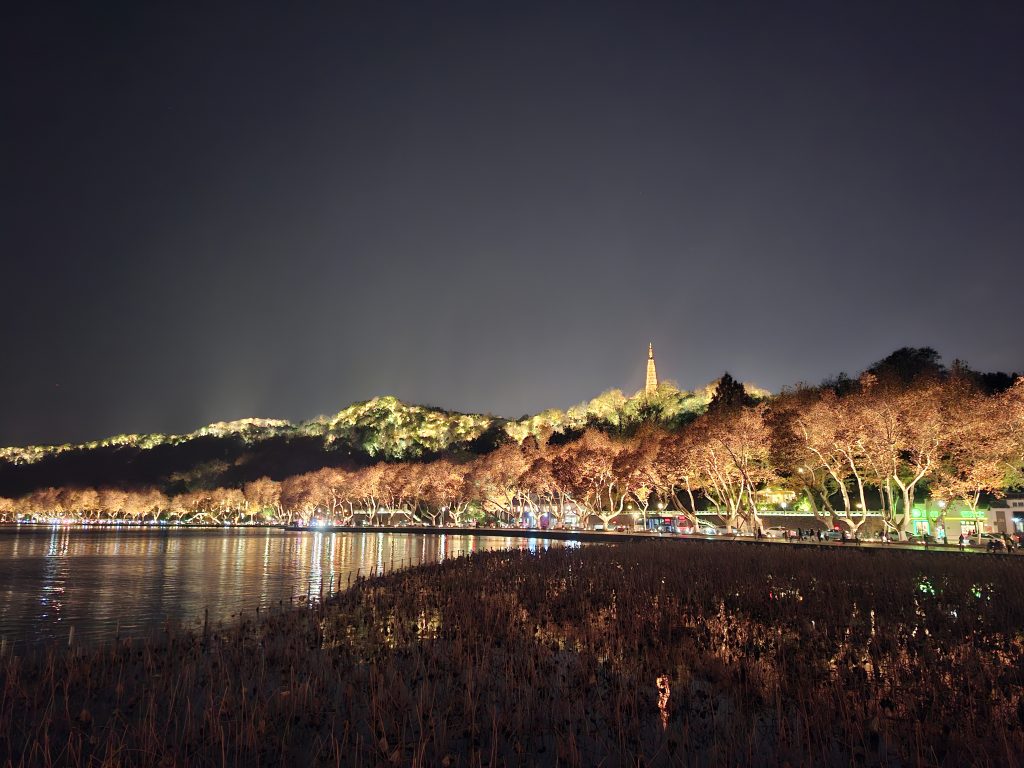
Most of the histocal attractions of Hangzhou are located in the nearby vicinity of the lake: for example, ancient temples like Lingyin Temple, the Yue Fei Temple (Tomb of General Yue Fei), and the ancient Leifeng Pagoda.
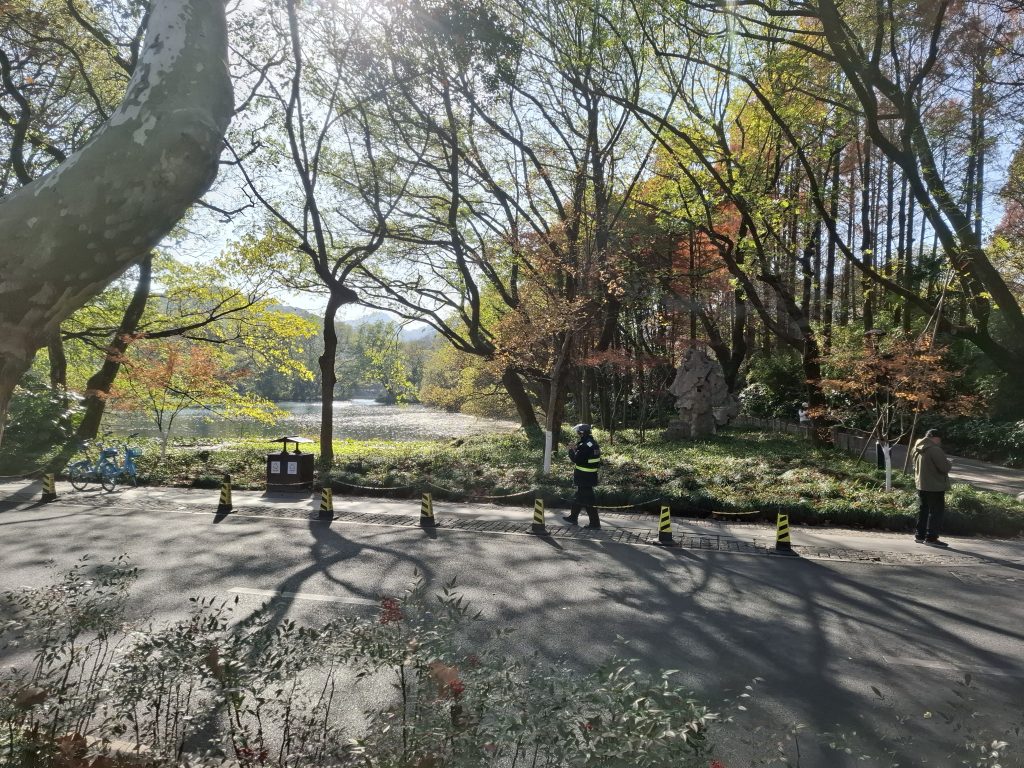
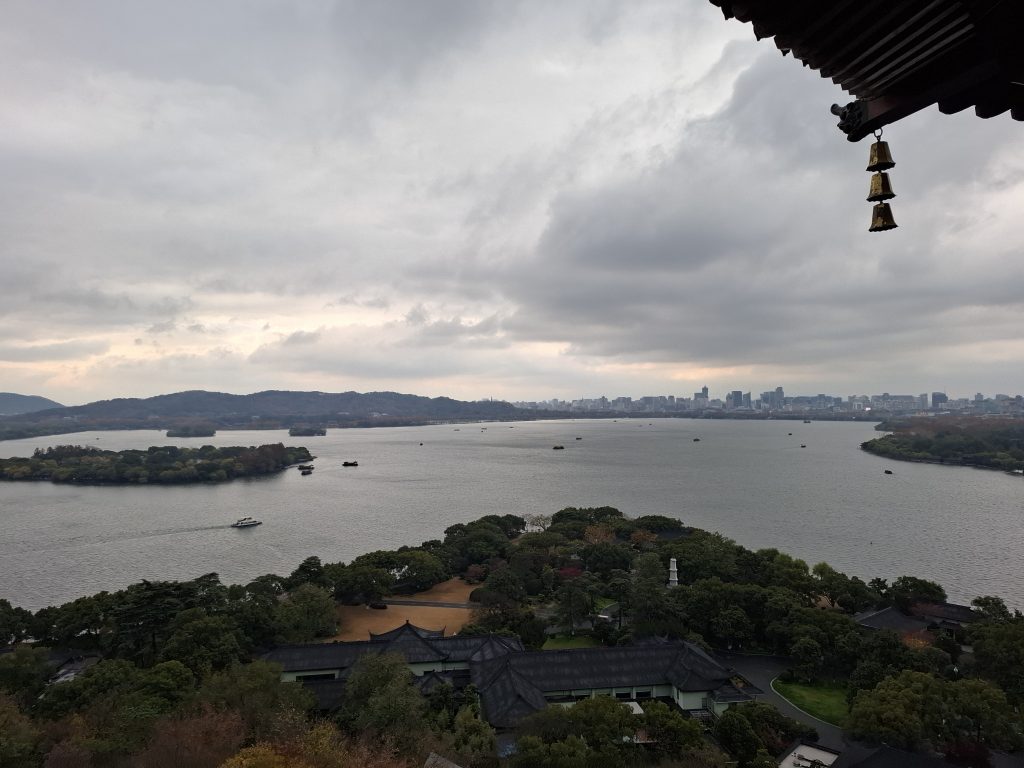
City God Pavillion and Wushan Hill
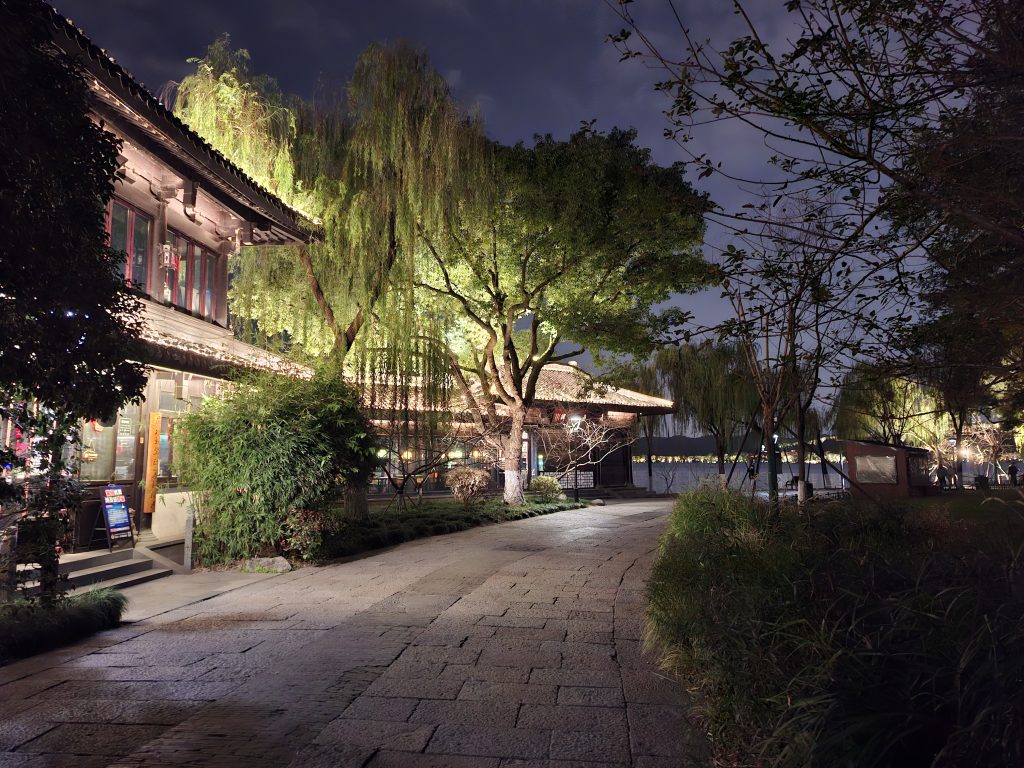
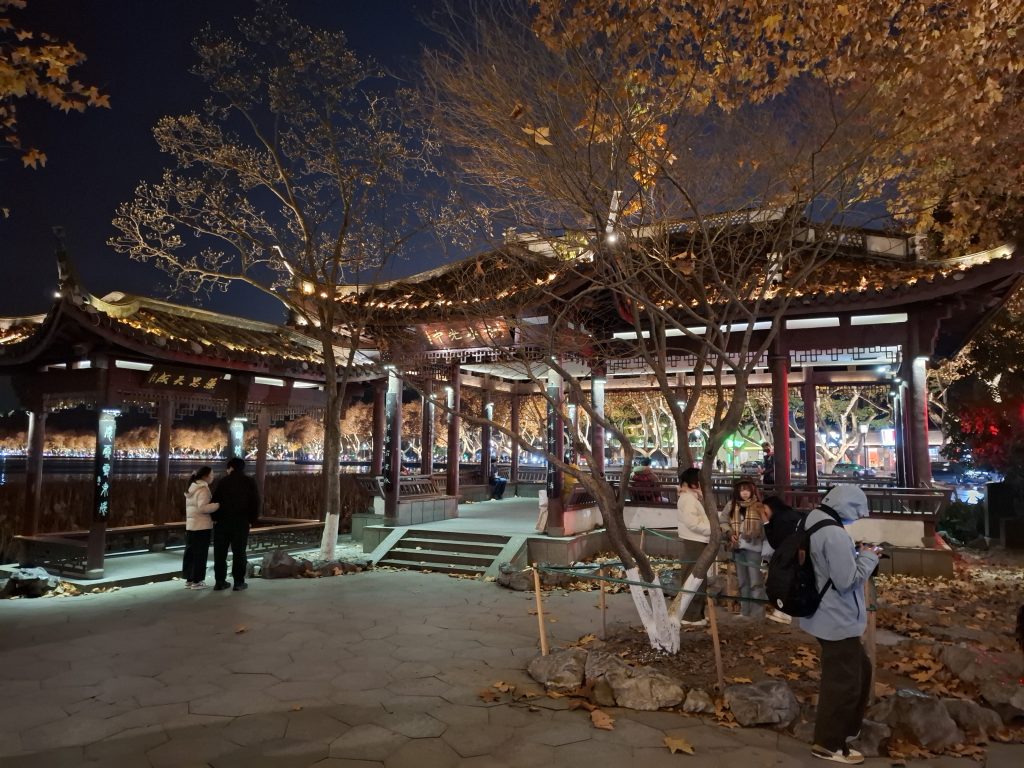
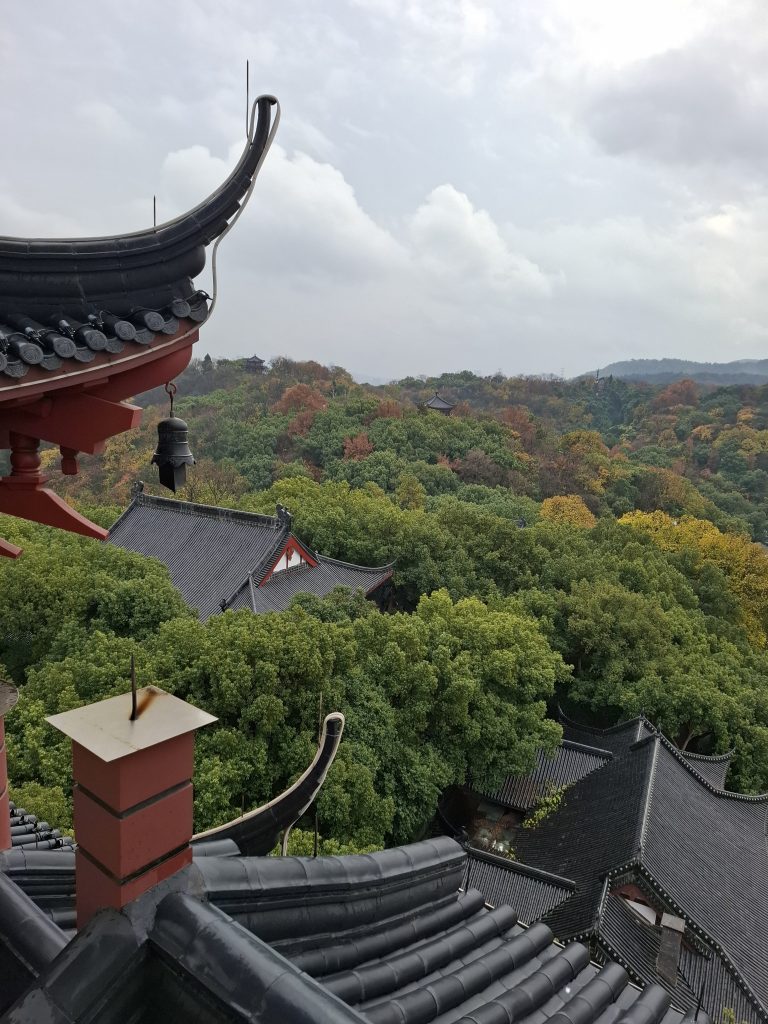
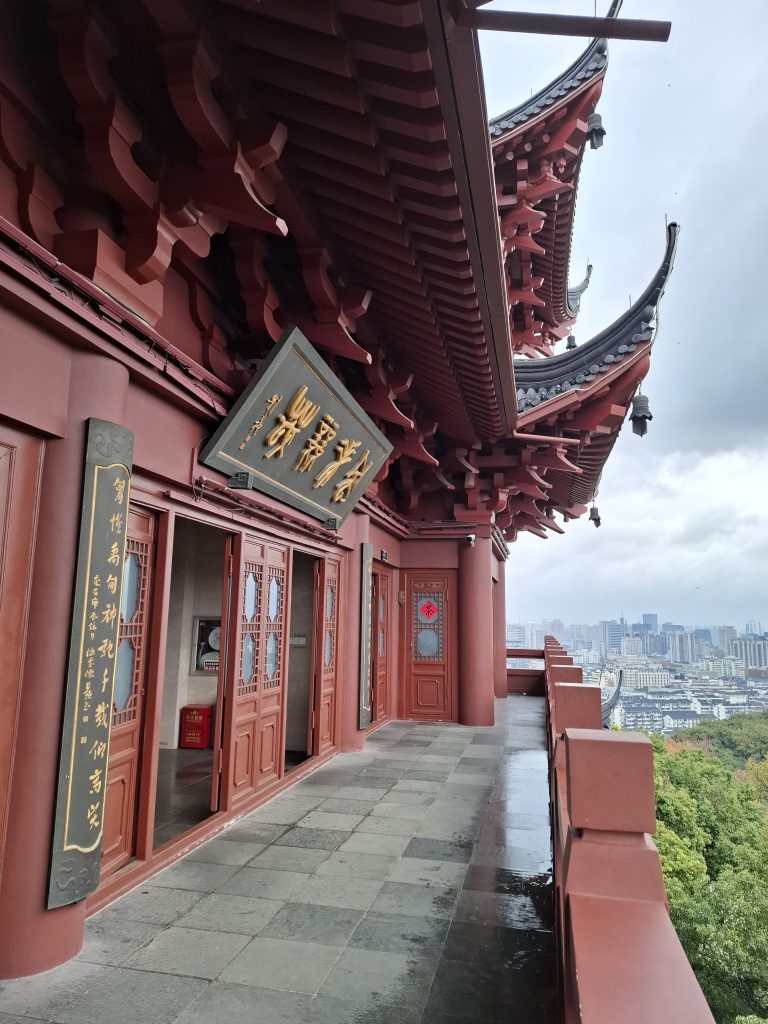
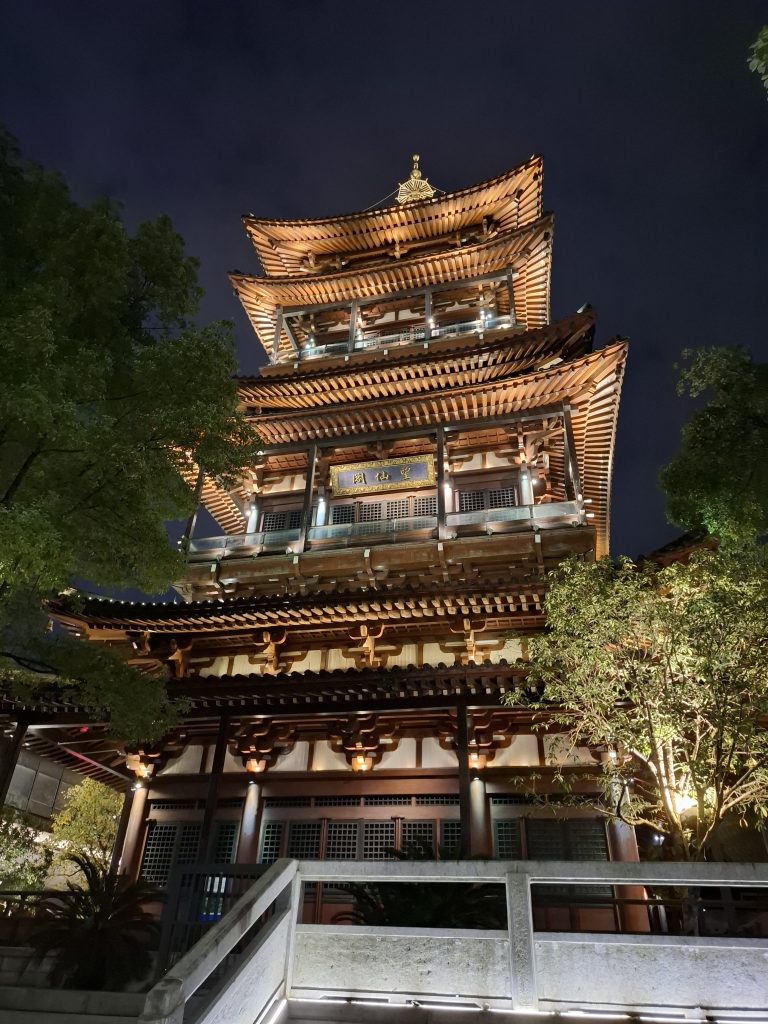
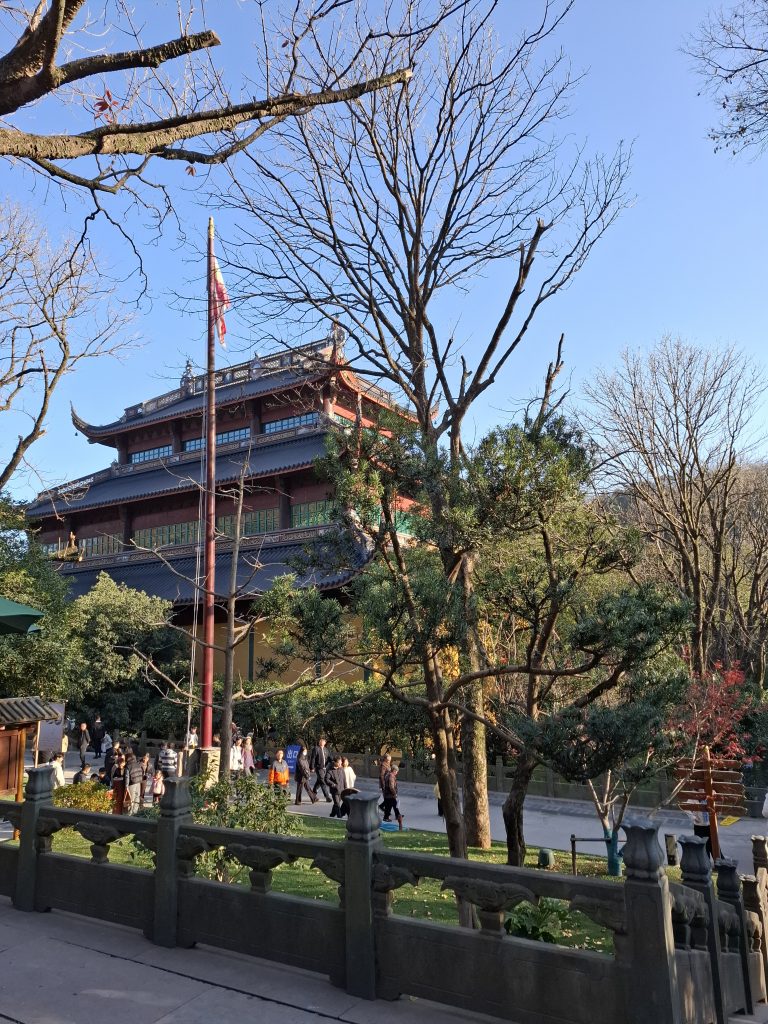
City God Pavillion (also known as Chenghuangge, or the Wushan Scenic Area – Town God Pavilion Scenic Area) is a key cultural and viewing destination in Hangzhou located on the hill by the lake. Its main draw is the panoramic view of West Lake, the city, the Qiantang River, and surrounding mountains from the top of Wushan Hill (吴山).
Chenghuang Pavilion (城隍阁) located on top of the hill, is a 7-story (41.6m tall) pagoda-style pavilion. The current Chenghuang Pavilion was built on the historic site of the old City God Temple, continuing its cultural legacy. It blends Song and Yuan dynasty styles and houses cultural exhibits like the “Southern Song Dynasty Hangzhou Customs” mural.
The hill also features City God Temple (城隍庙), which is a a historic Daoist temple complex with origins in the Southern Song Dynasty.
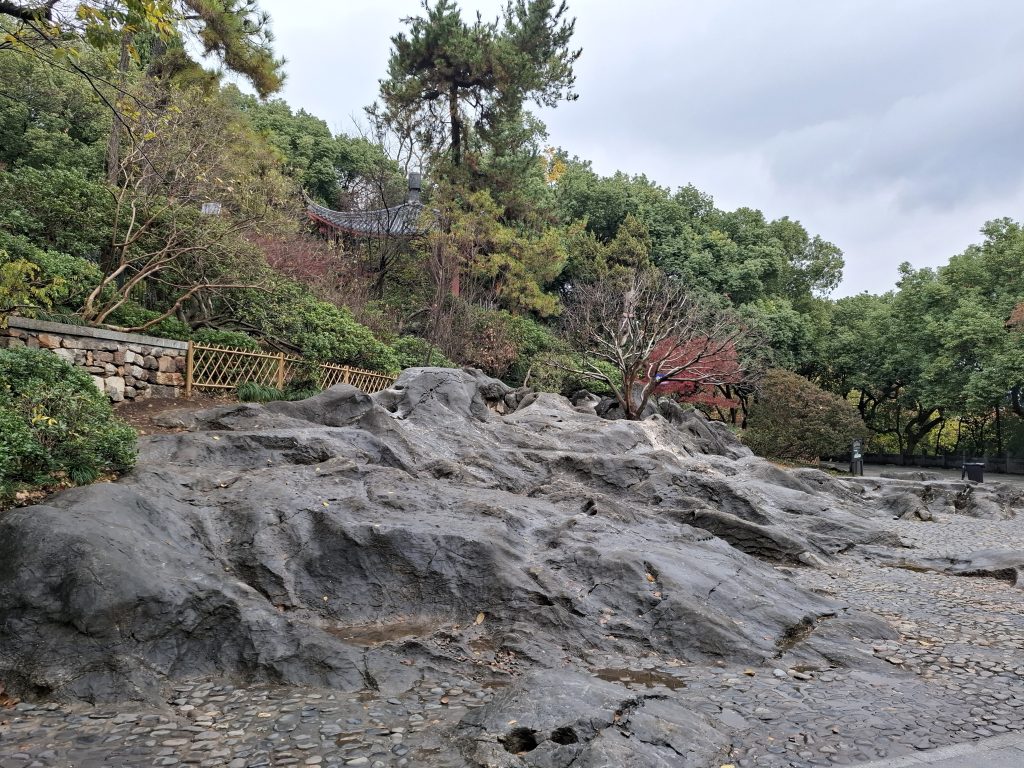
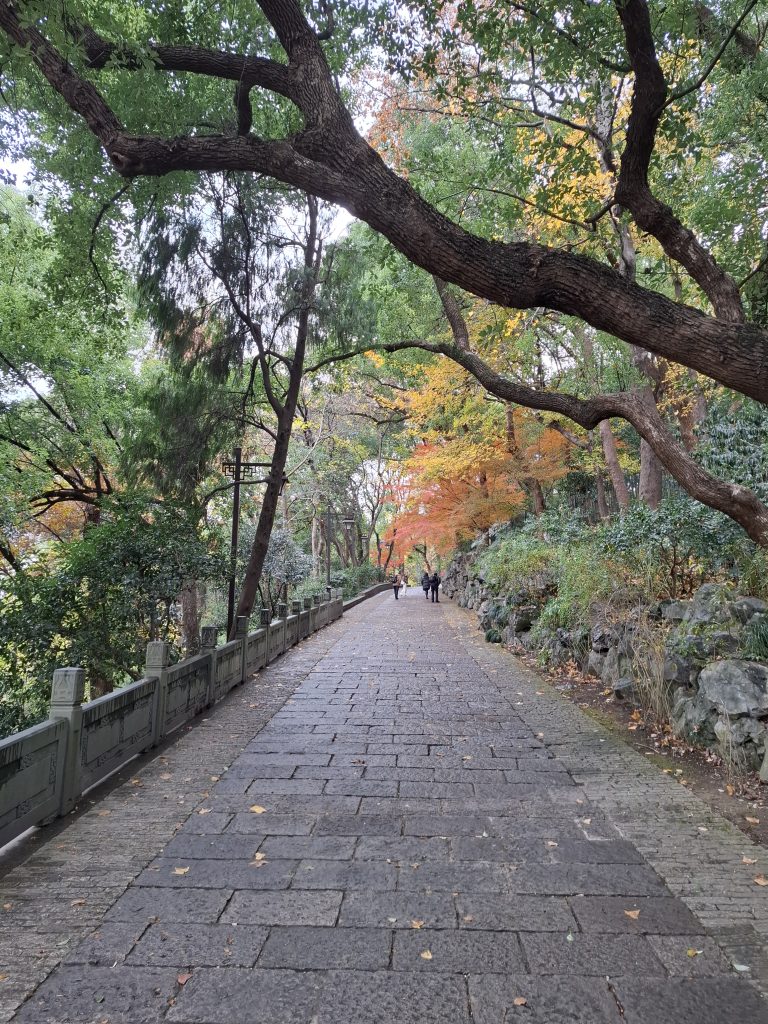
To visit the Wushan Hill, travel to the Wushan Square metro station, start with the Hefang Street, Drum Tower, and Southern Song Imperial Street and walk up the hill after that.
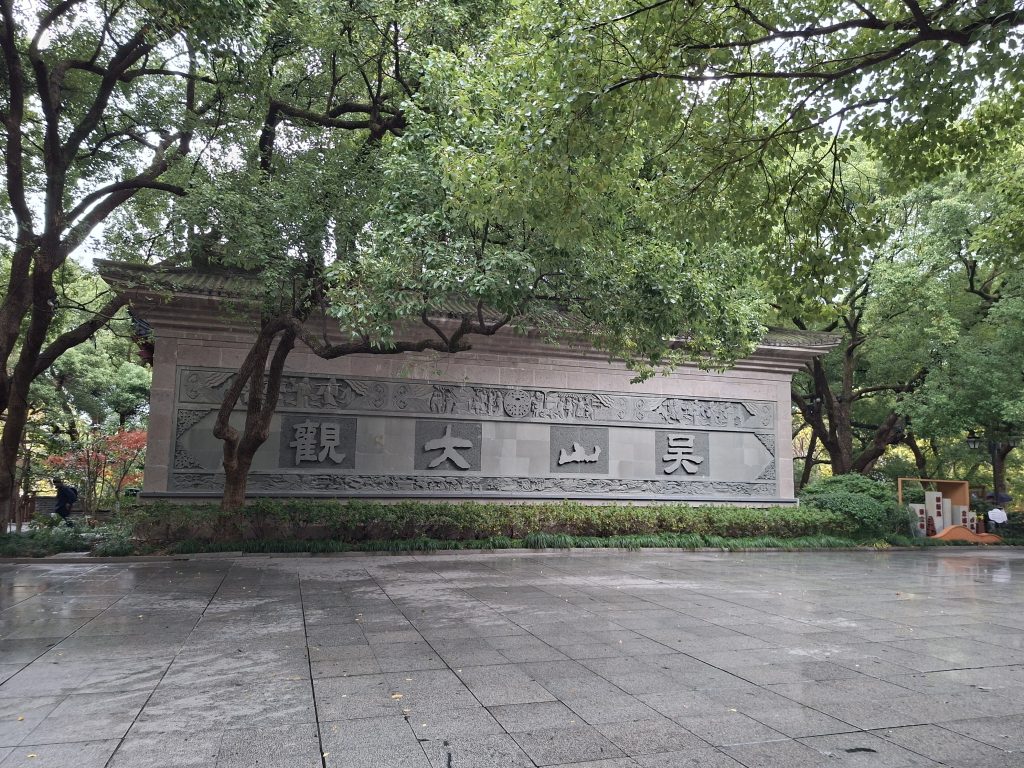
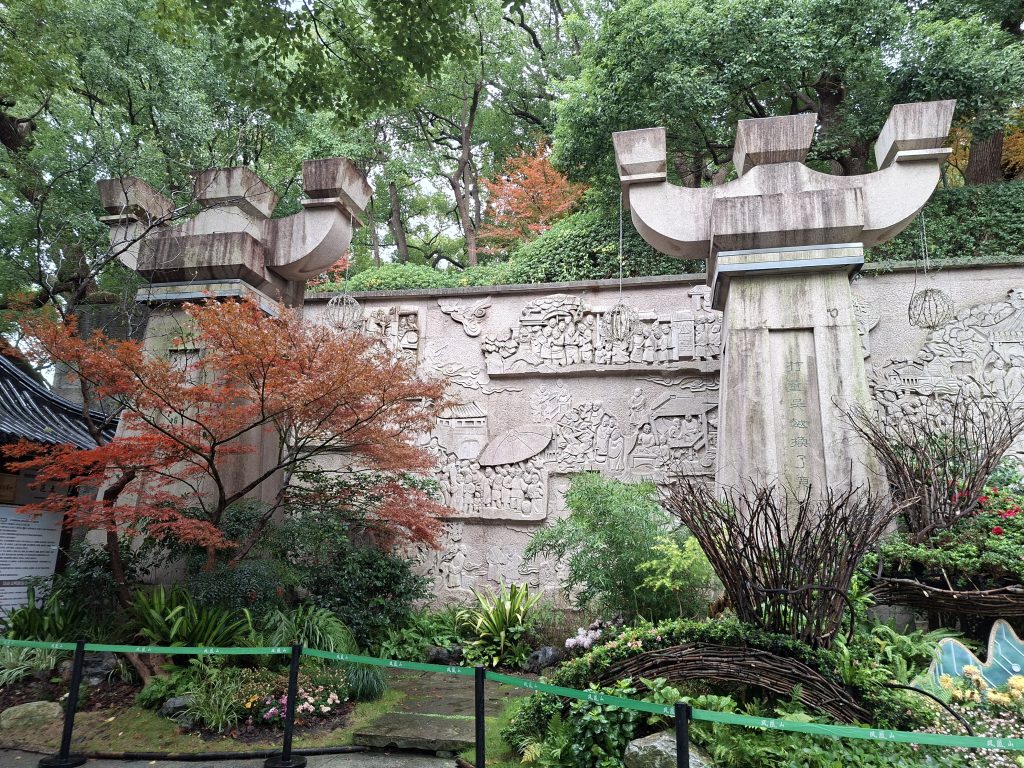
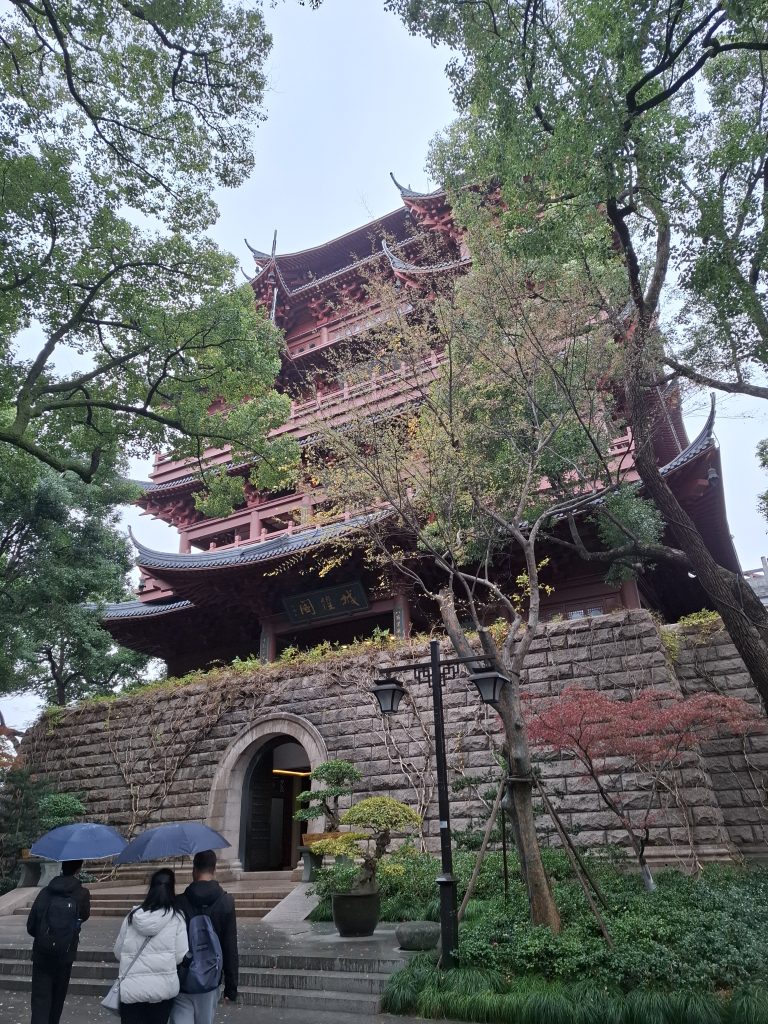
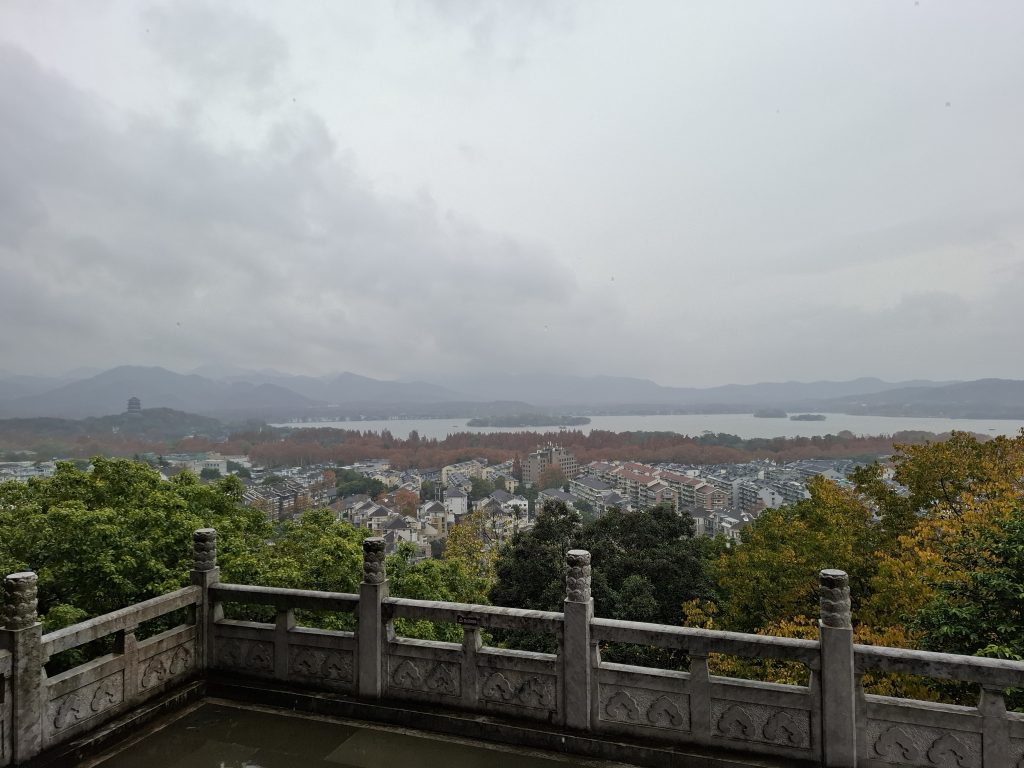
Hefang Street, Drum Tower, and Southern Song Imperial Street
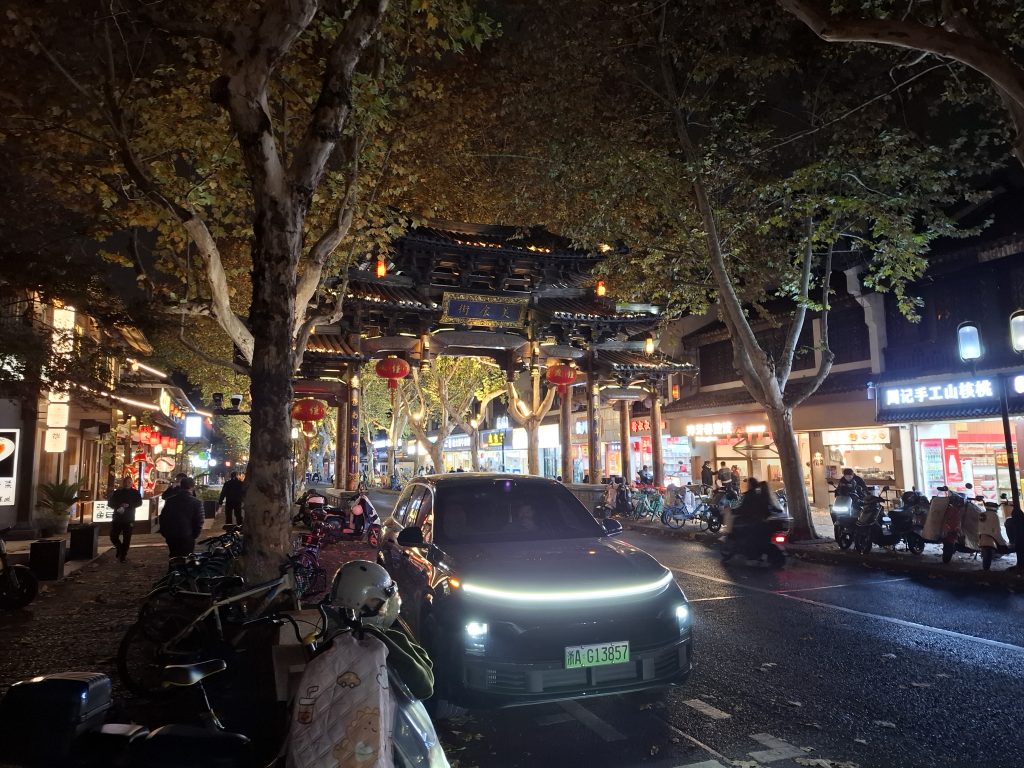
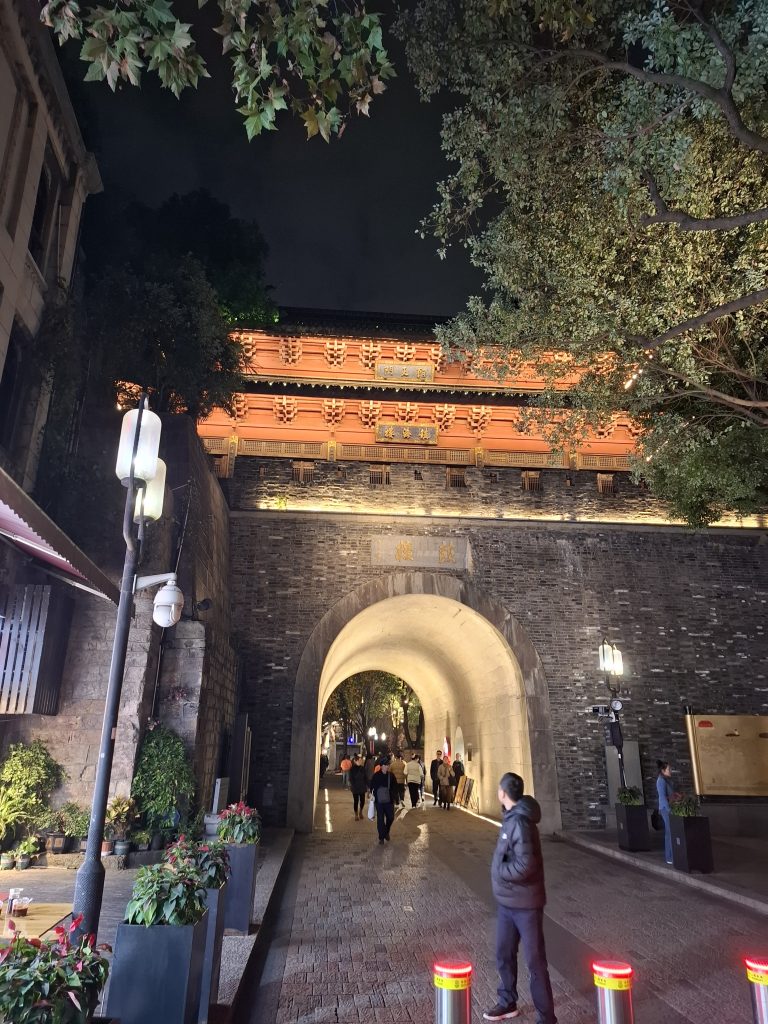
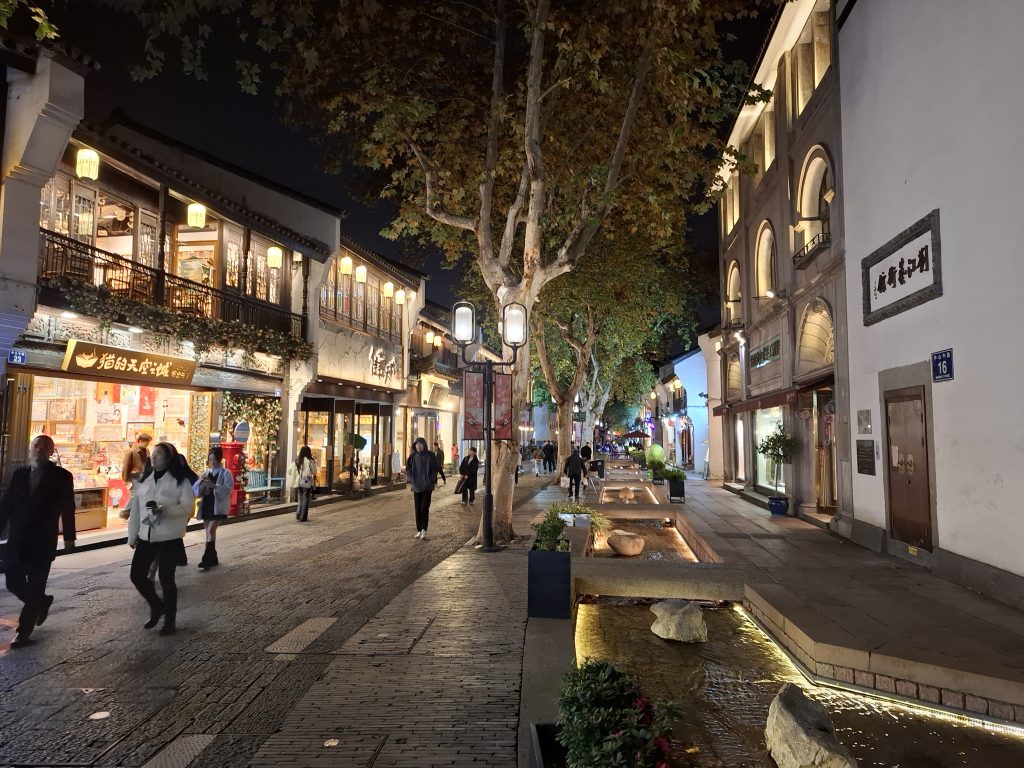
Hefang Street, Drum Tower, and Southern Song Imperial Street form the historic core of Hangzhou’s old city.
Southern Song Imperial Street is a historic 4185-meter central axis of the Southern Song Capital, transformed into a “museum street” with water features and underground ruins displays.
Drum Tower is a historical gate tower and city landmark, rebuilt in 2002 on a 1,000-year-old site. It once marked the divide between the imperial city and the public market.
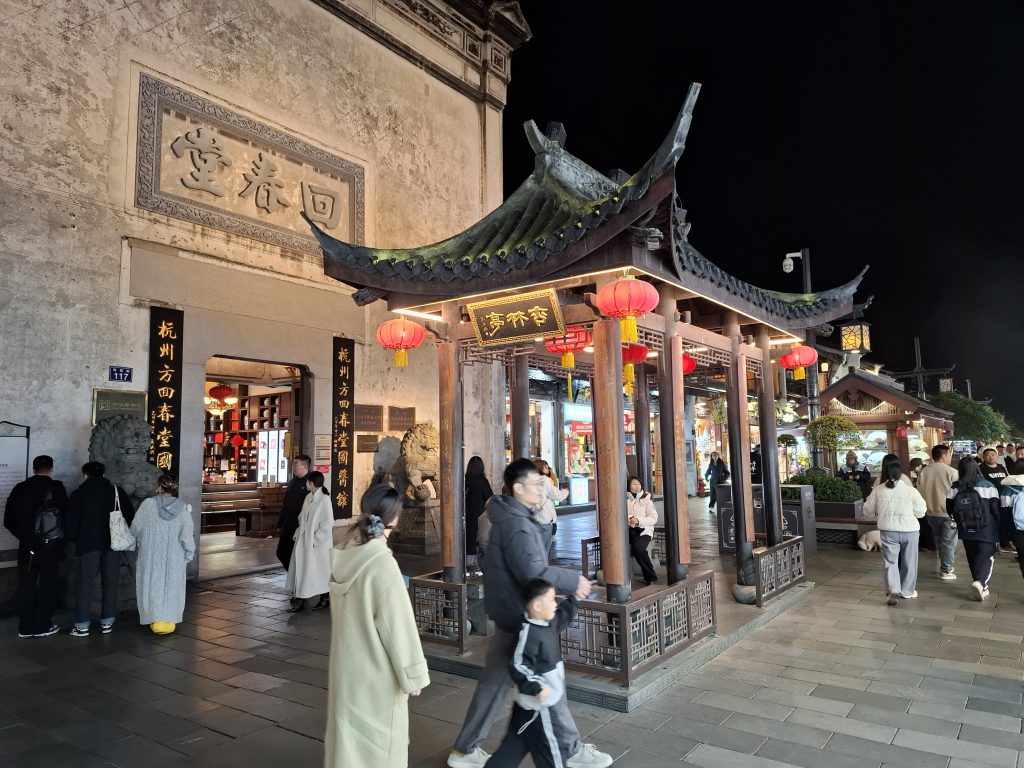
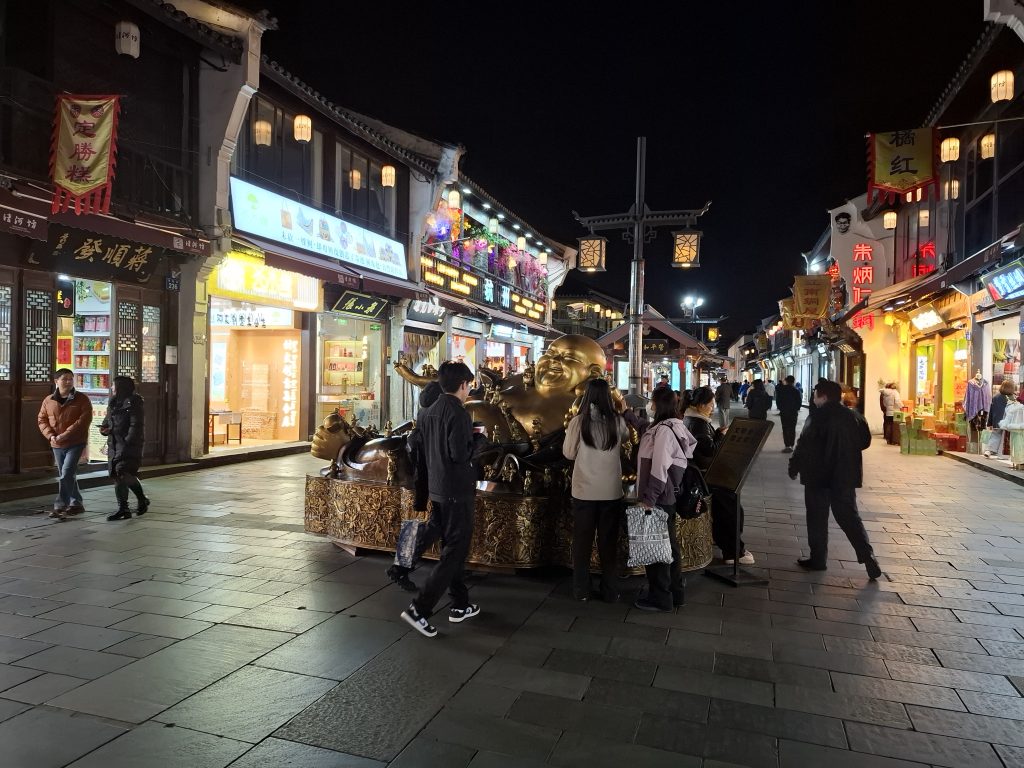
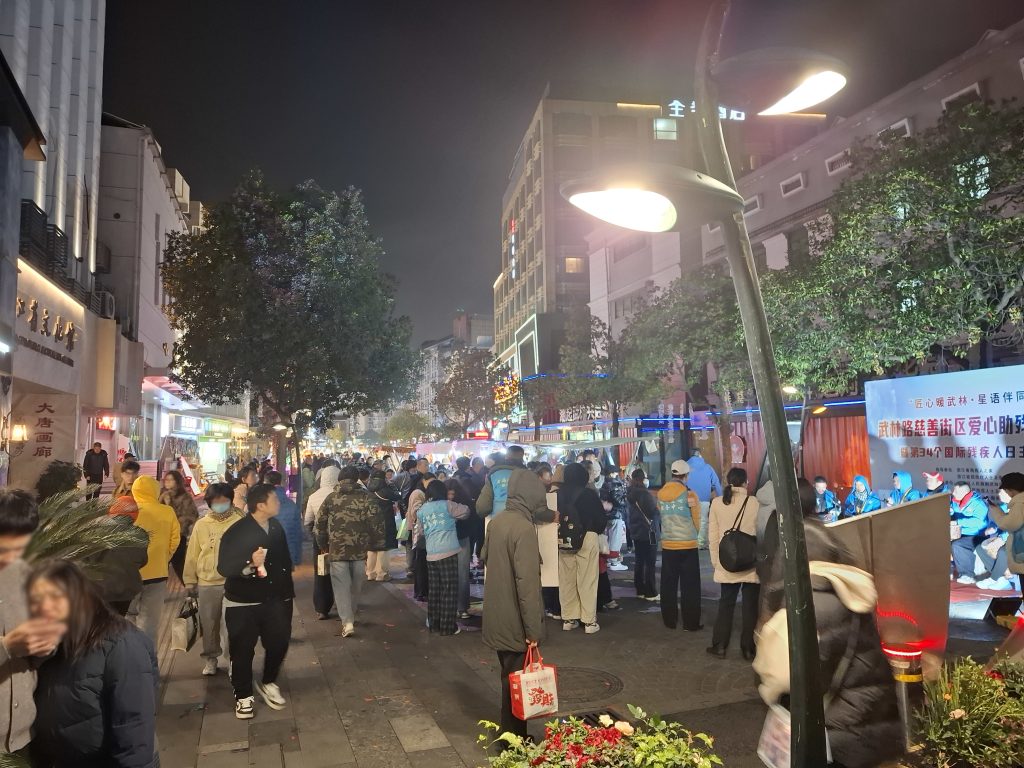
Hefang Street is a lively pedestrian street with origins in the Southern Song era, lined with century-old shops and food stalls. Now it’s bustling with commerce and food.
Hangzhou Confucian Temple
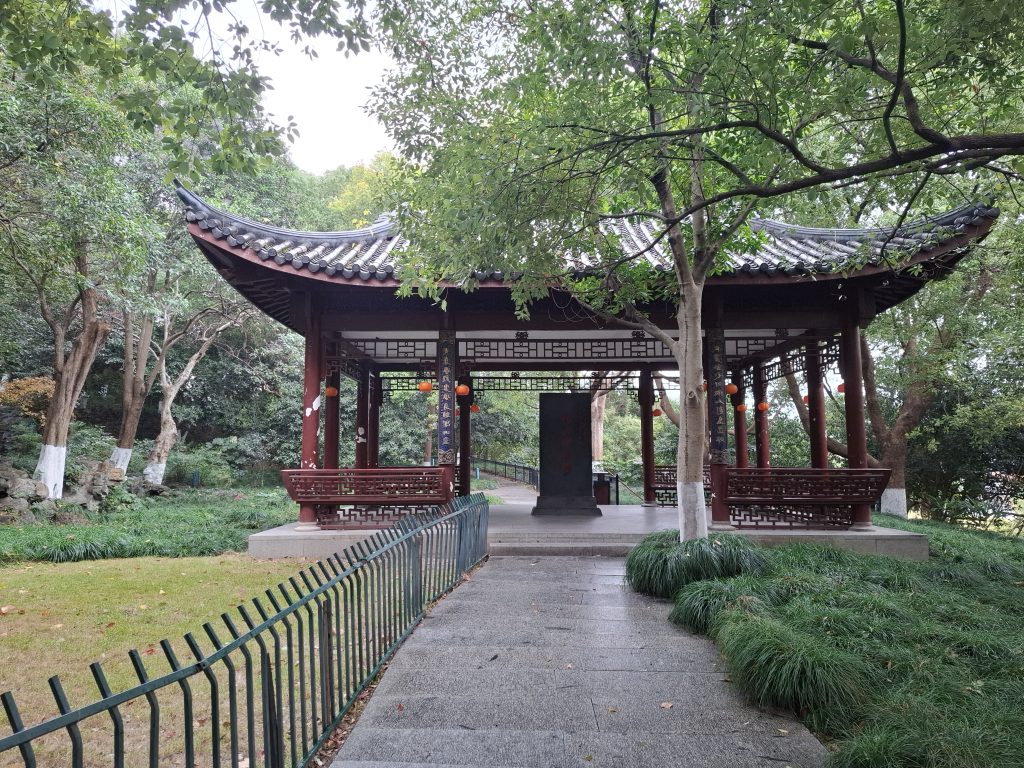
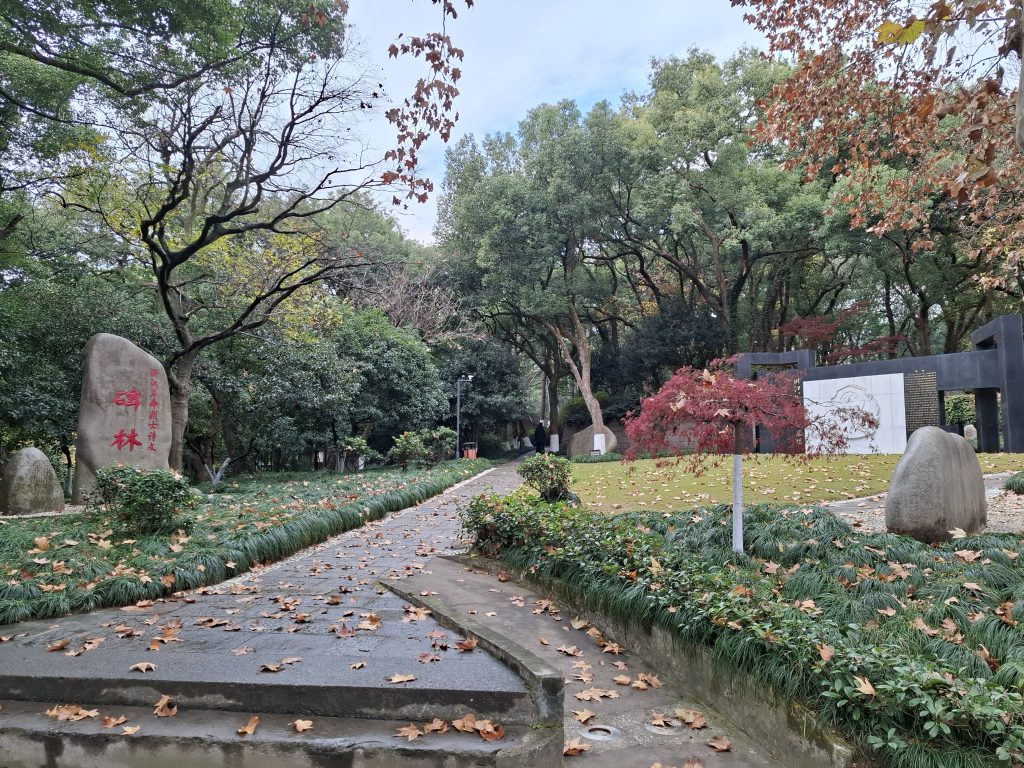
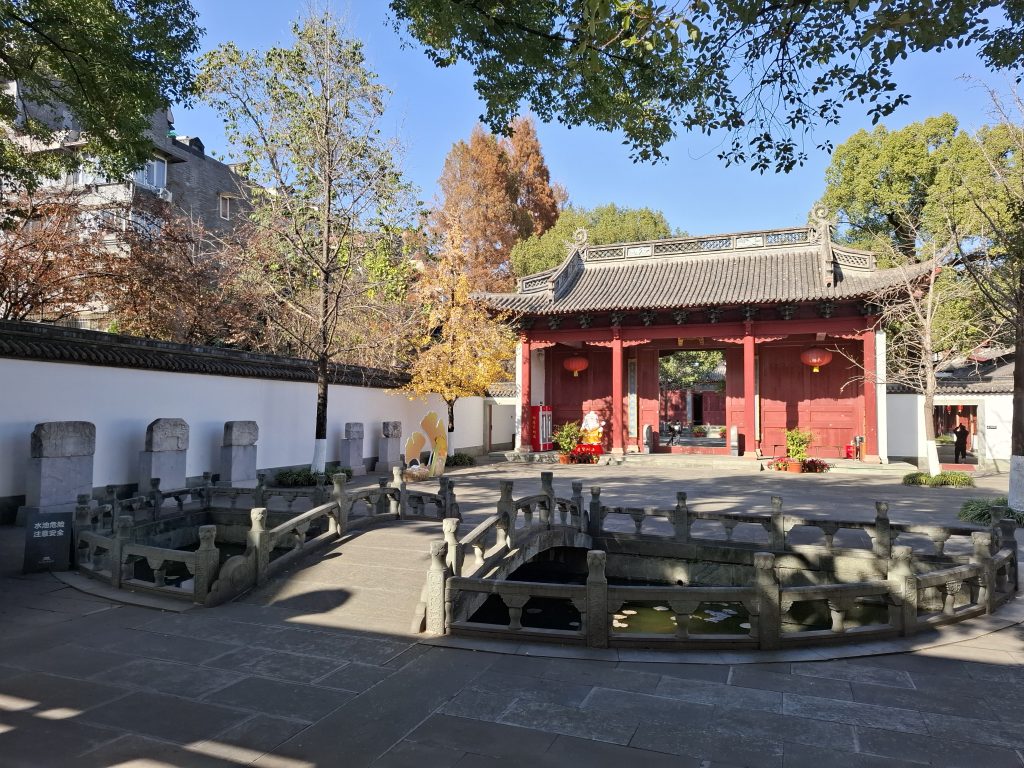
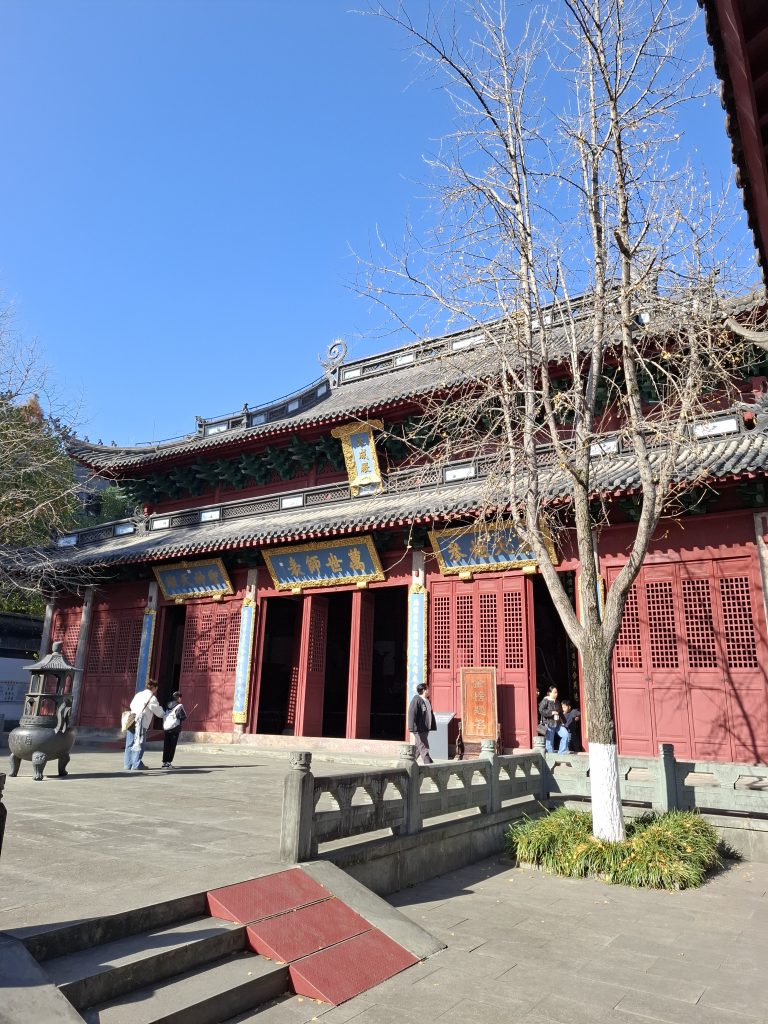
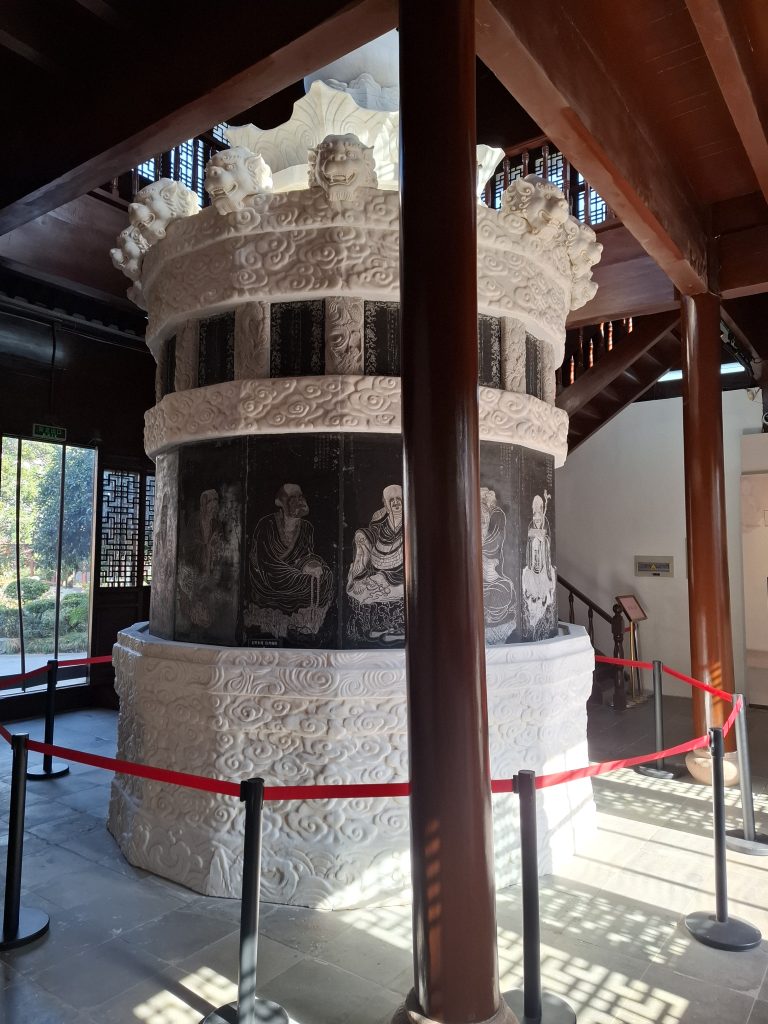
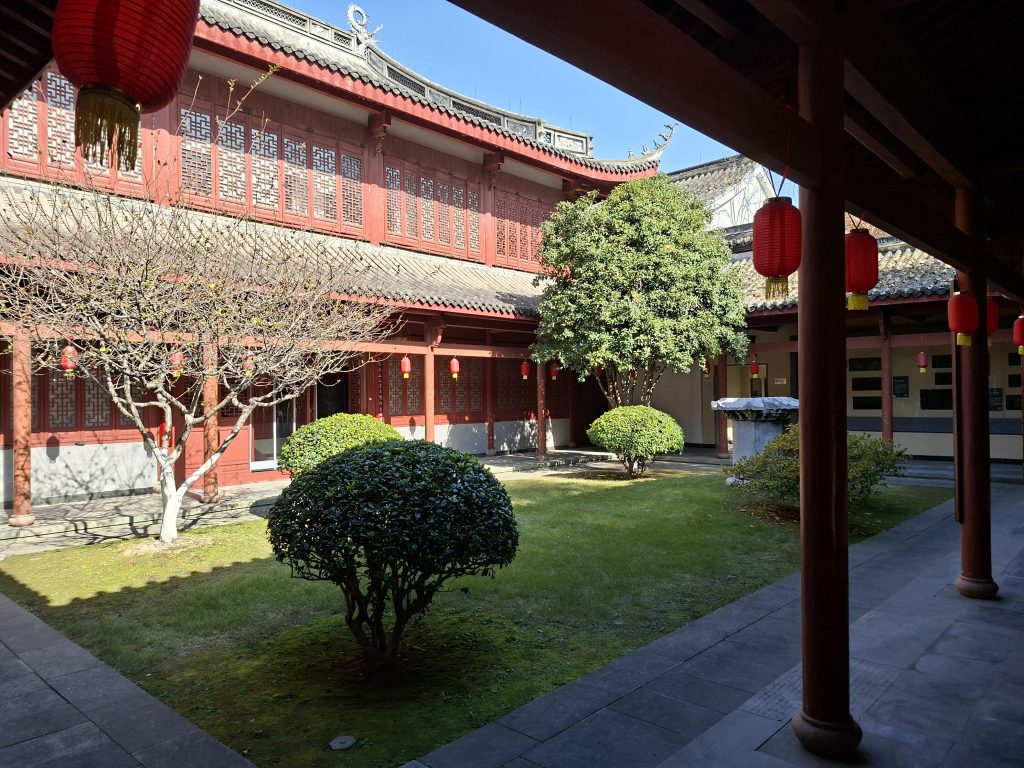
By the same metro station, you can find the Hangzhou Confucian Temple (杭州孔庙), locally called the “Stele Forest” (碑林, Beilin) due to its impressive collection of over 500 ancient stone steles, is located. This temple is a major historical and cultural site, with its origins tracing back to the Southern Song Dynasty (1127–1279). originally established as the Lin’an Prefecture Academy (临安府学) in 1131.
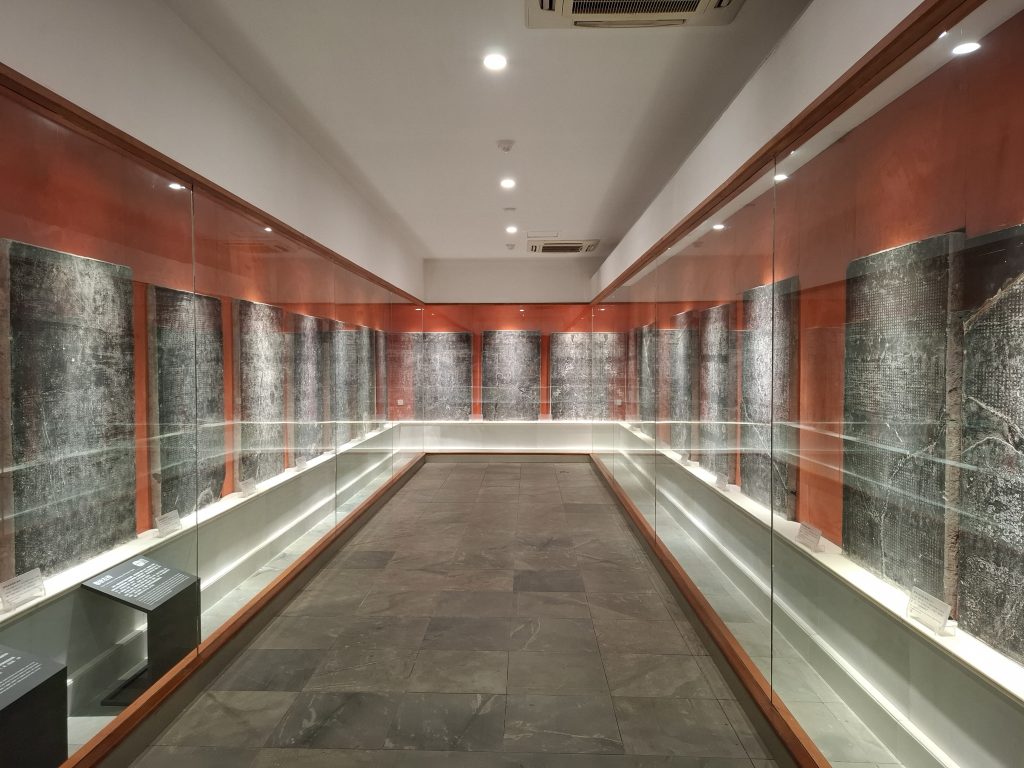
The temple’s Stele collection is its main highlight, featuring steles spanning from the Tang Dynasty (618-907) to the Qing Dynasty (1644-1911) , including 85 Imperial Steles from the Southern Song, personally inscribed by Emperor Gaozong (Zhao Gou), the founding emperor of the Southern Song Dynasty. This is the only preserved collection of its kind written by an emperor.
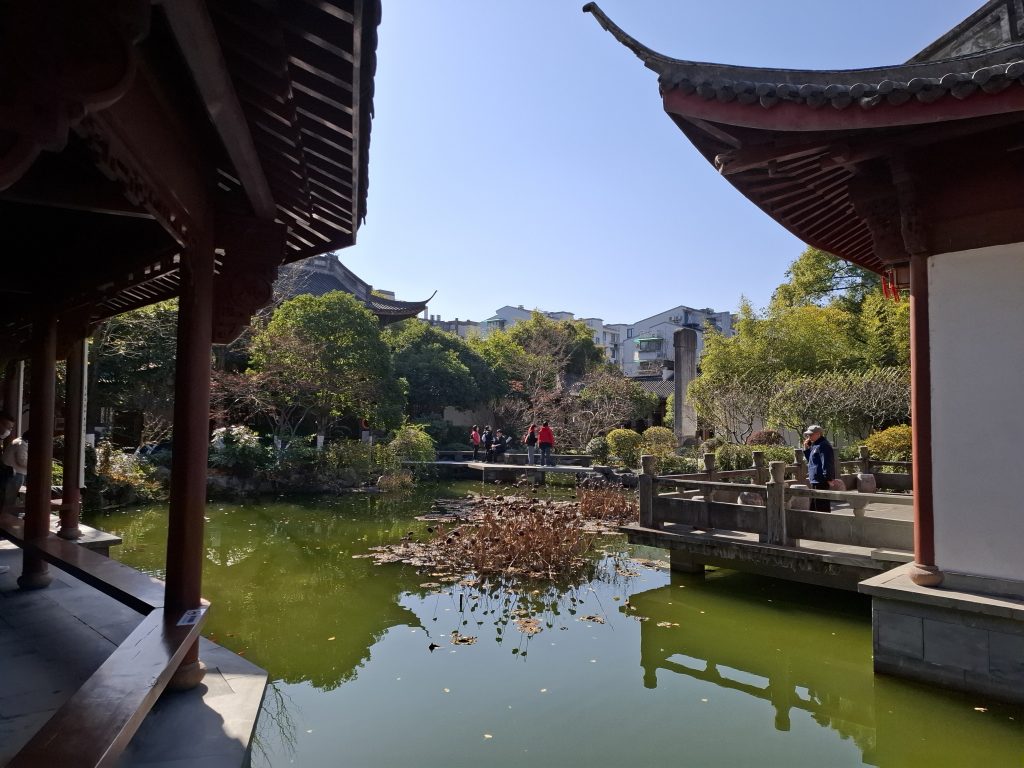
The temple is divided into three main areas you can explore. West Area (Confucius Temple) has the main Dacheng Hall (大成殿), featuring well-preserved Qing Dynasty architecture and paintings. Central Area is the Stele Forest with long stele corridors (over 300 meters) housing the collection of over 500 steles. East Area is Jiangnan Garden, a classical Chinese garden with pavilions like the Stone Classics Pavilion, offering a tranquil space.
🏯 Leifeng Pagoda
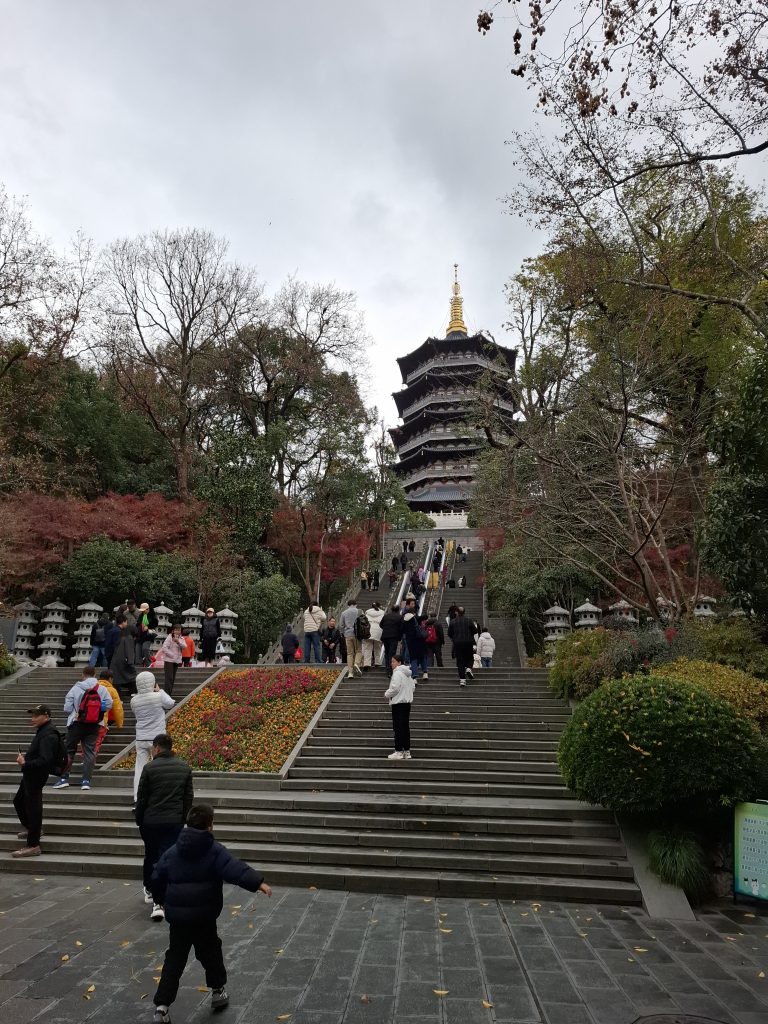
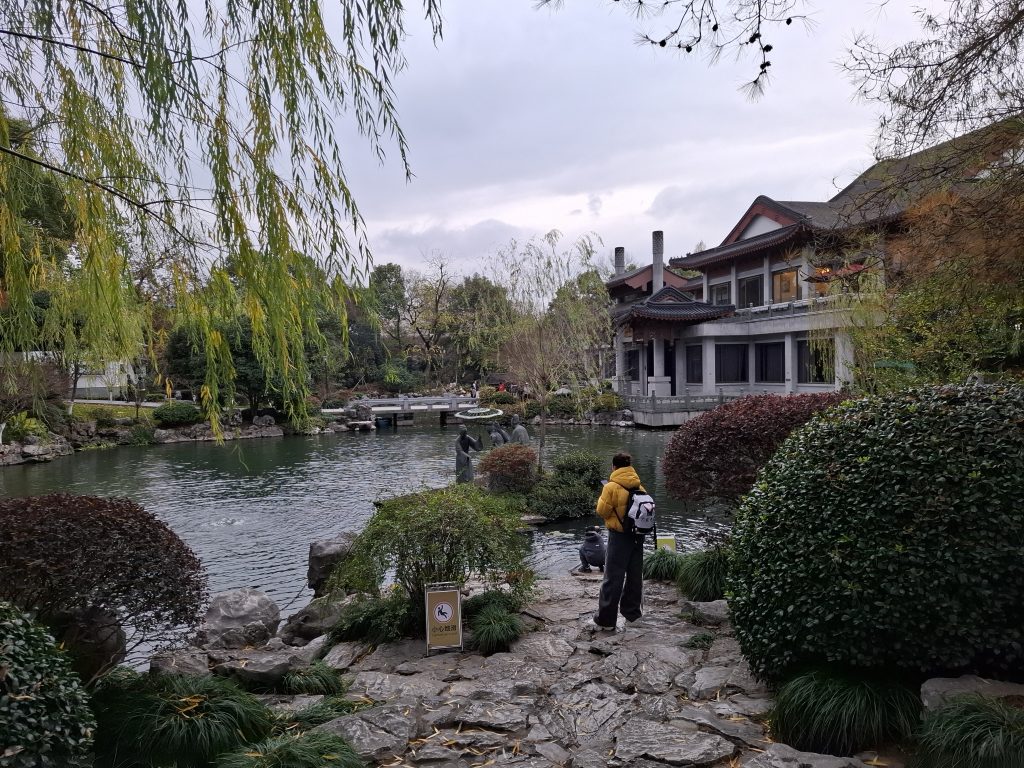
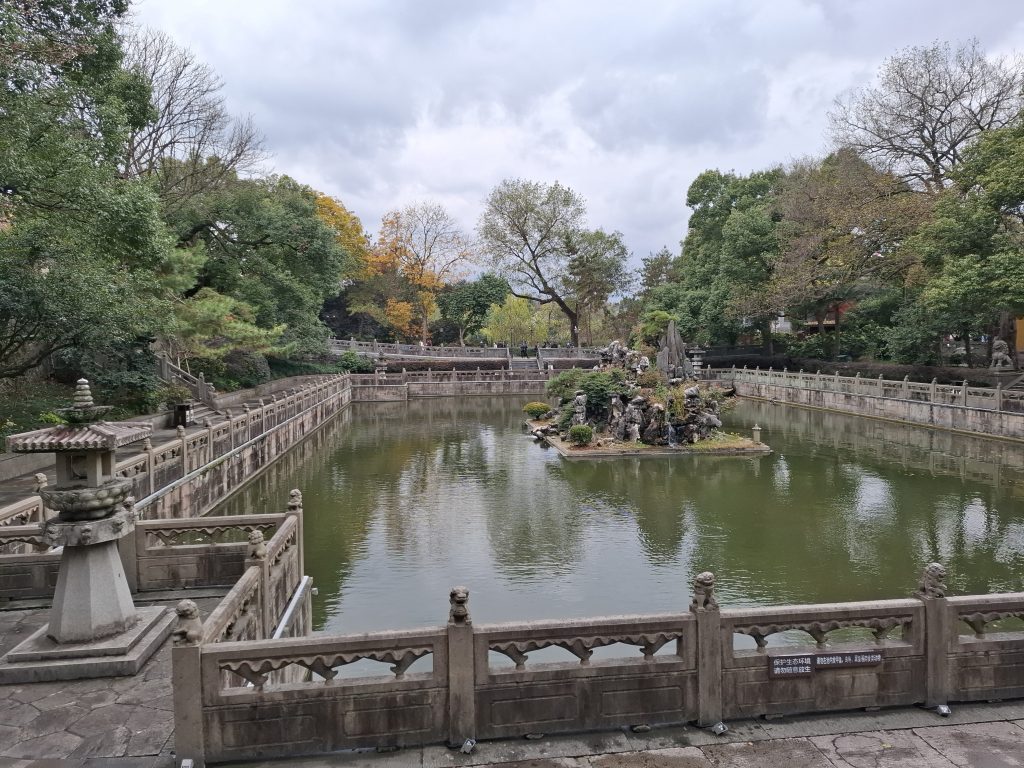
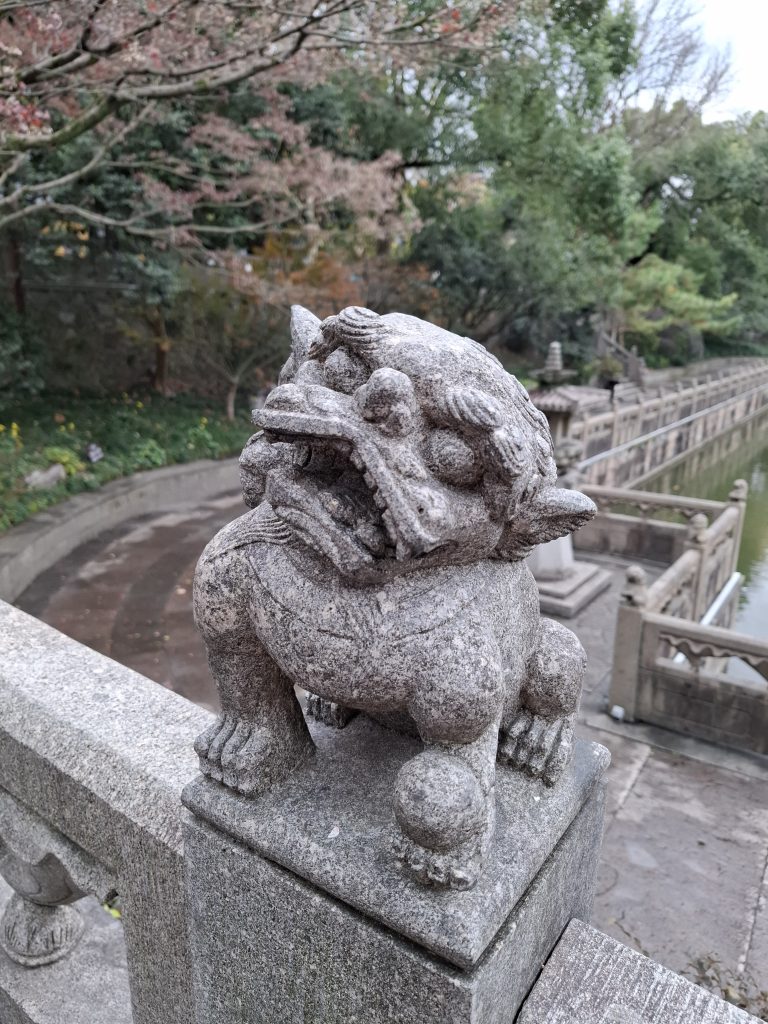
Today’s Leifeng Pagoda is a 71.6-meter-tall 21st-century tower built directly over the ruins of the ancient one. The original pagoda had a long and tumultuous history. It was built by the King of the Wuyue Kingdom to celebrate the birth of a son in 977 AD. It was damaged by war in the 12th century and severely burned by pirates in the Ming Dynasty (16th century), which destroyed its wooden components. Due to structural weakening from theft and weathering, the pagoda finally collapsed on September 25, 1924. After major archaeological excavations from 2000-2001, the current pagoda was rebuilt and opened in October 2002.
The pagoda’s fame stems from two powerful cultural elements:
The Legend of the White Snake. According to the legend, the monk Fahai imprisoned the snake spirit Bai Suzhen (Lady White) underneath Leifeng Pagoda to separate her from her mortal husband. This tale is a core part of the visitor experience embodied through decor.
“Leifeng Pagoda in Evening Glow” (雷峰夕照) is one of the Ten Scenic Views of West Lake. The sight of the pagoda bathed in the golden light of sunset is iconic. For the best view of this scene, visitors often go to the nearby Long Bridge.
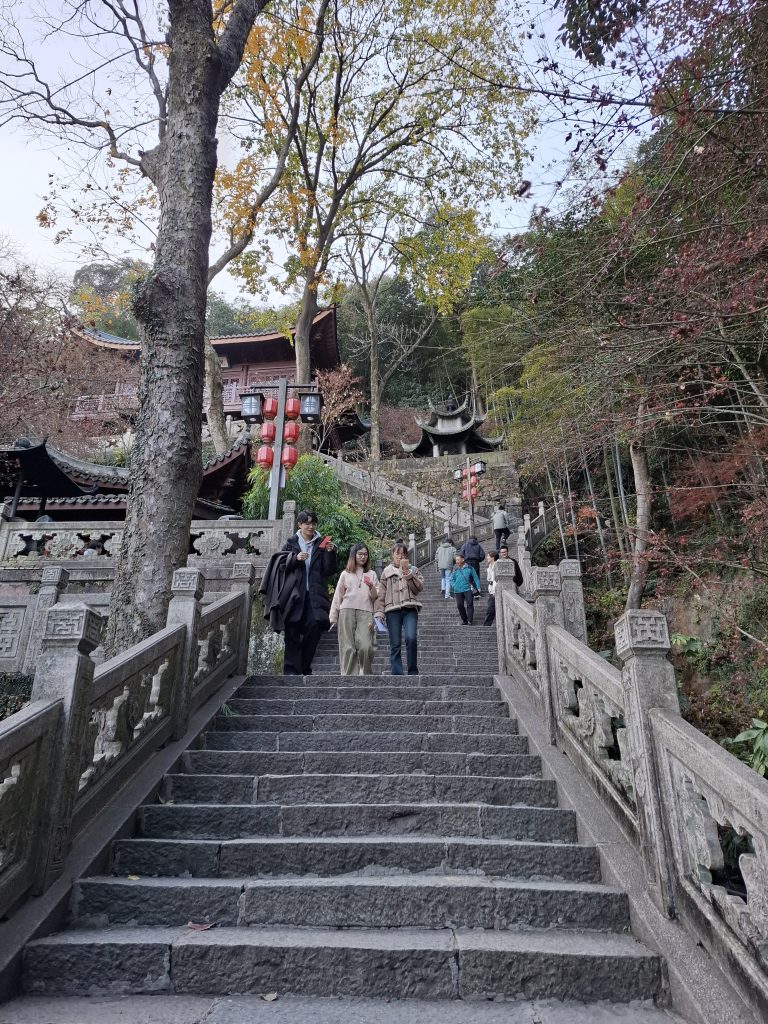
Lingyin Temple and Feilai Peak
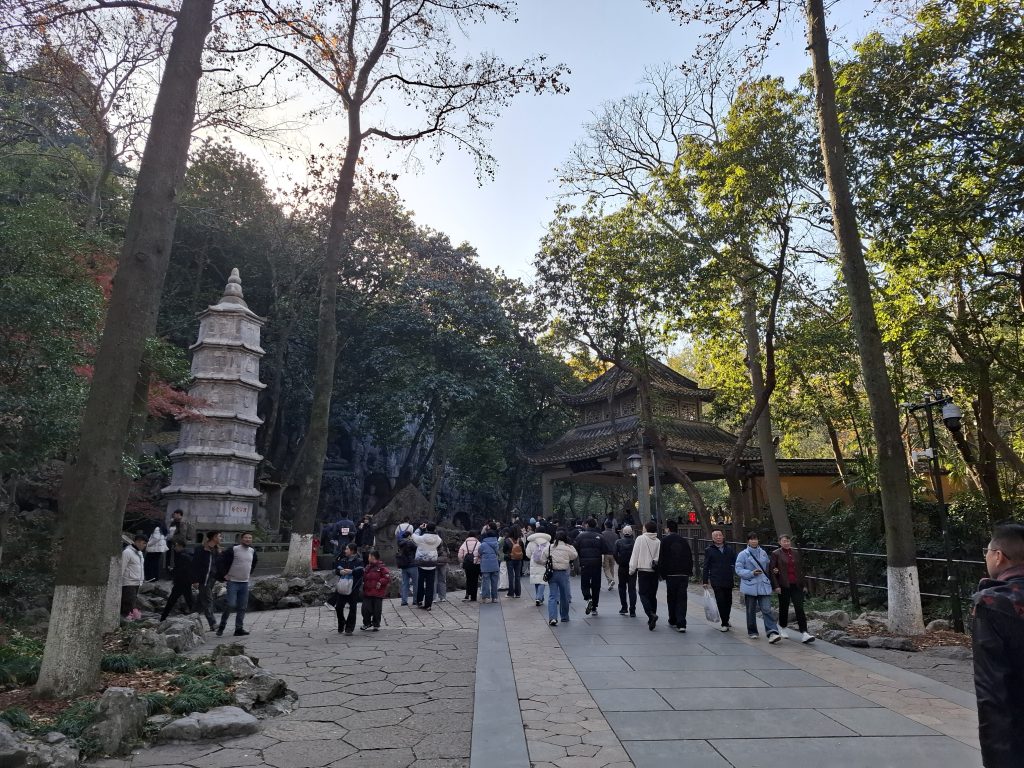
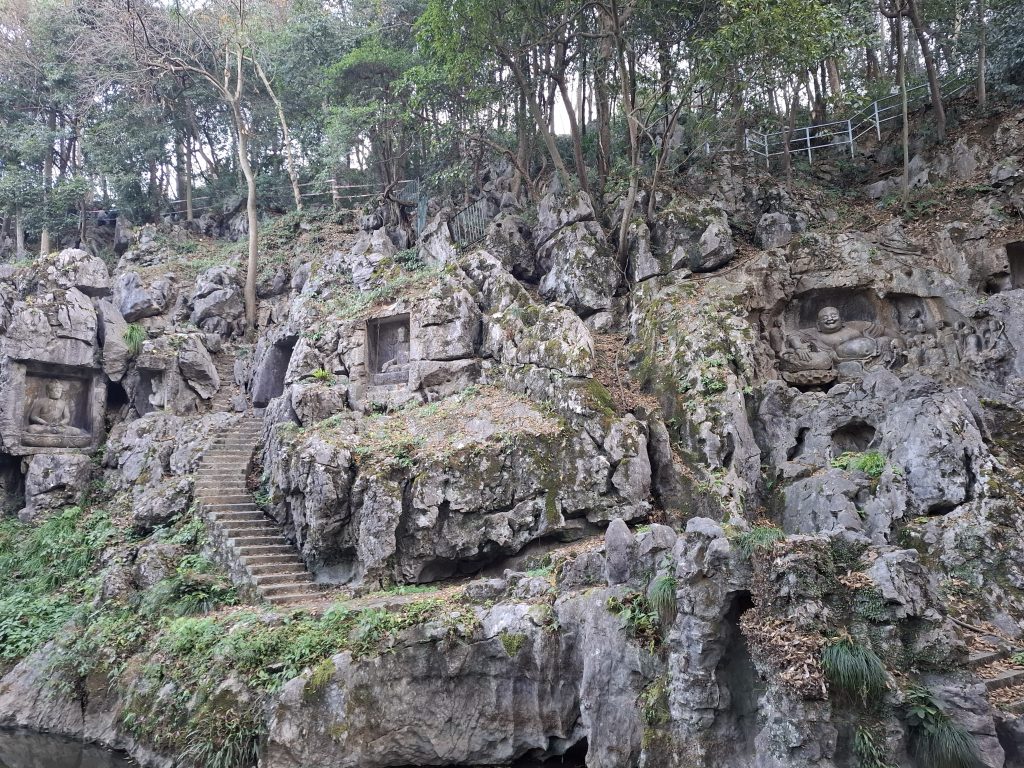
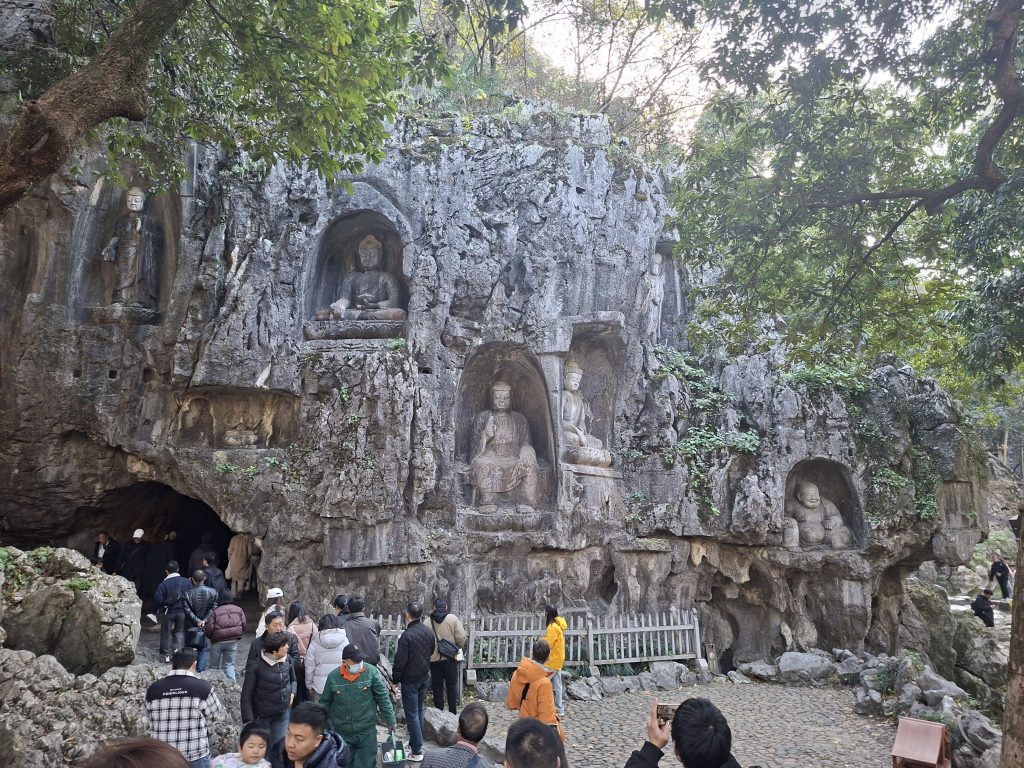
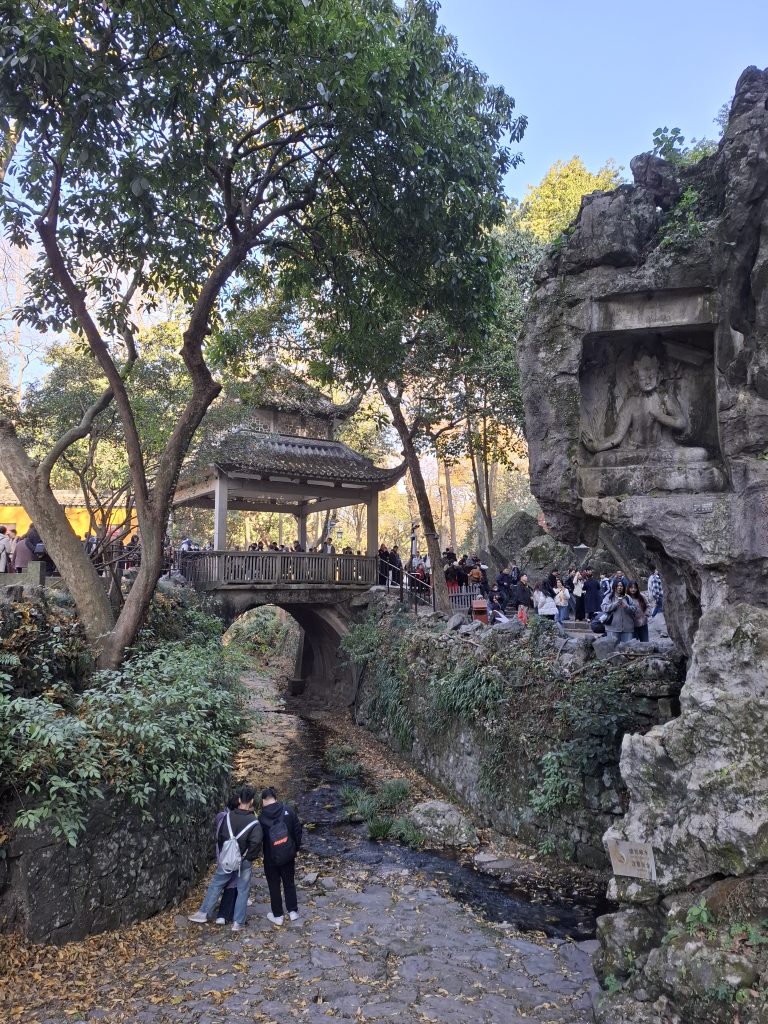
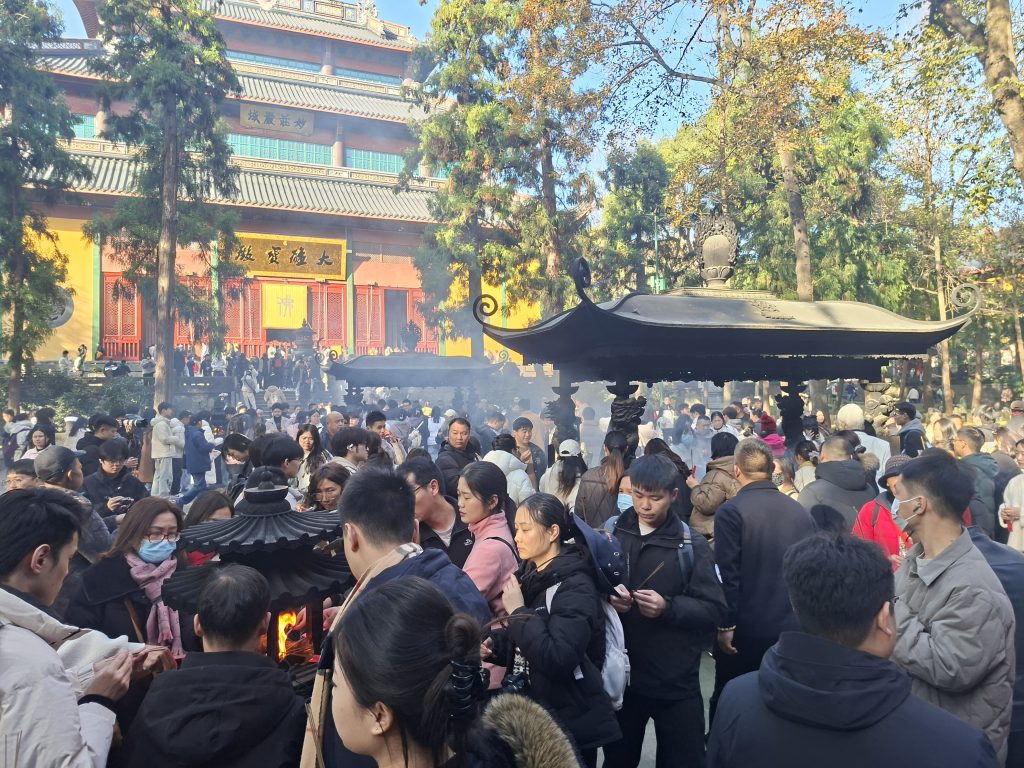
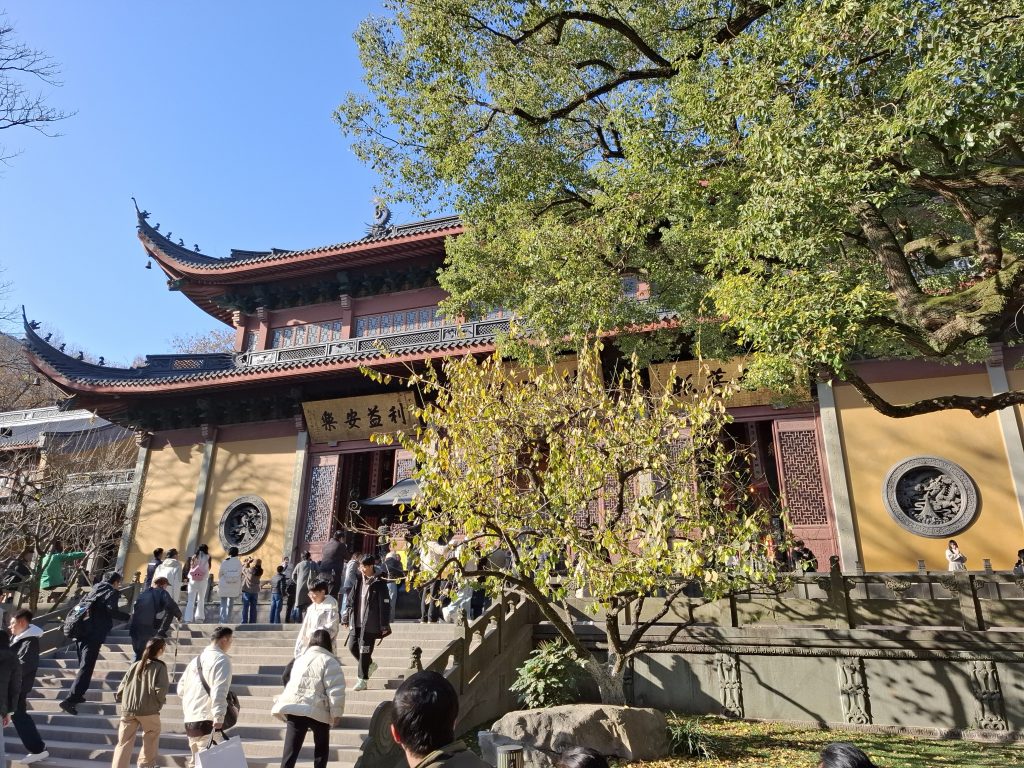
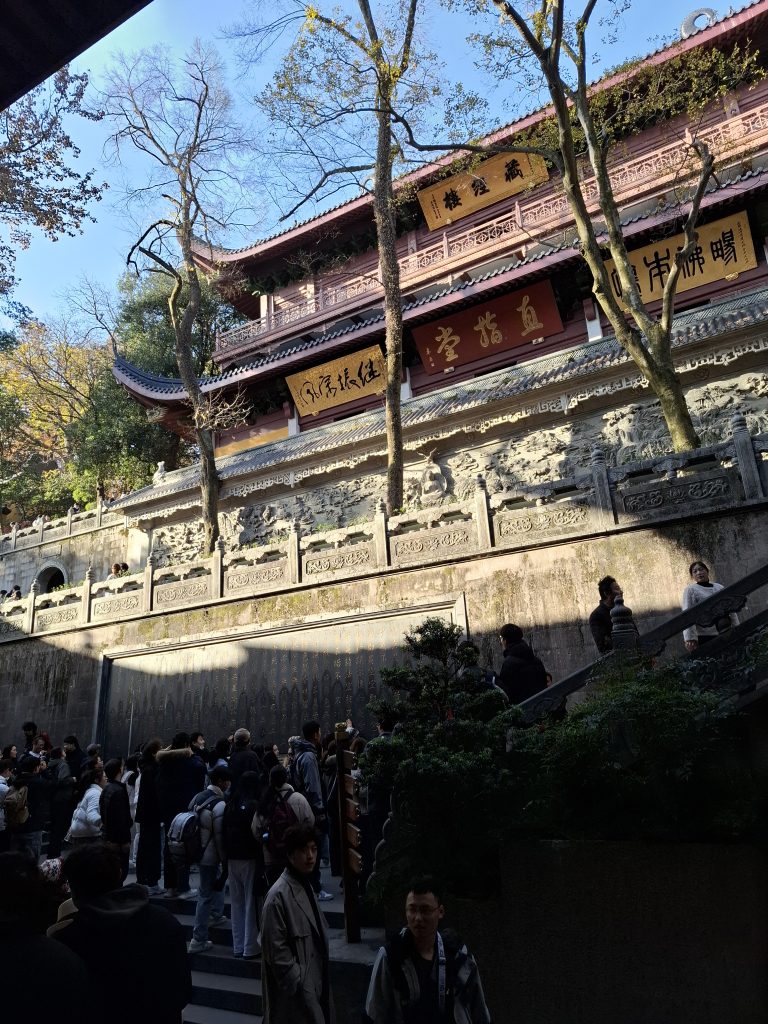
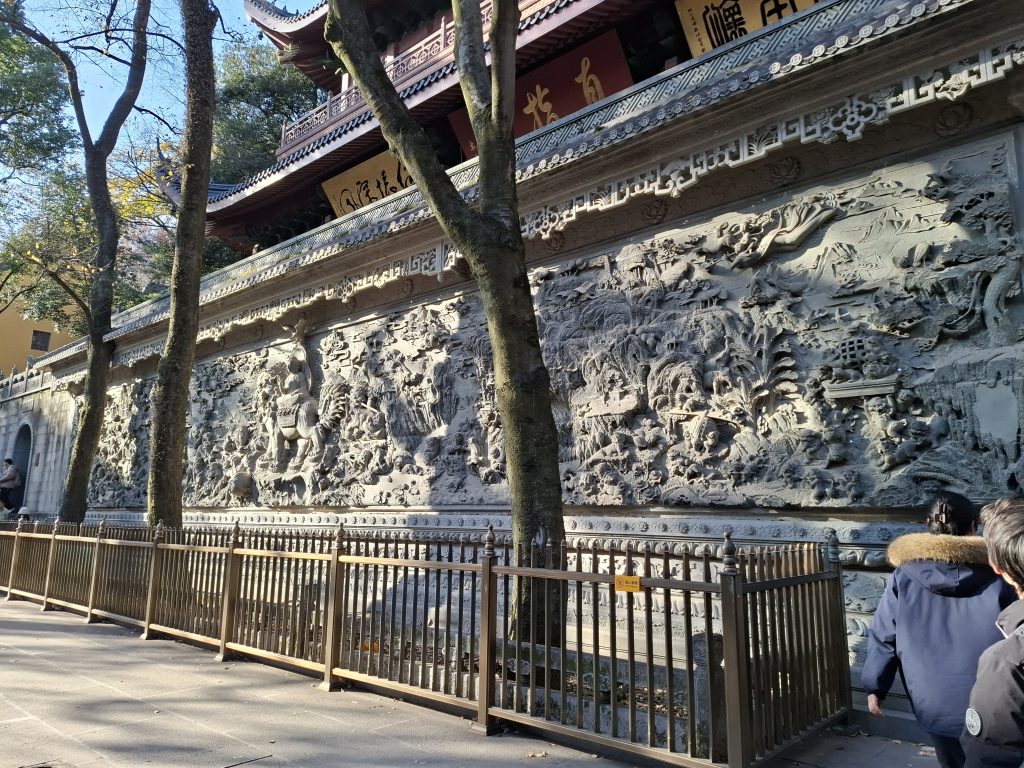
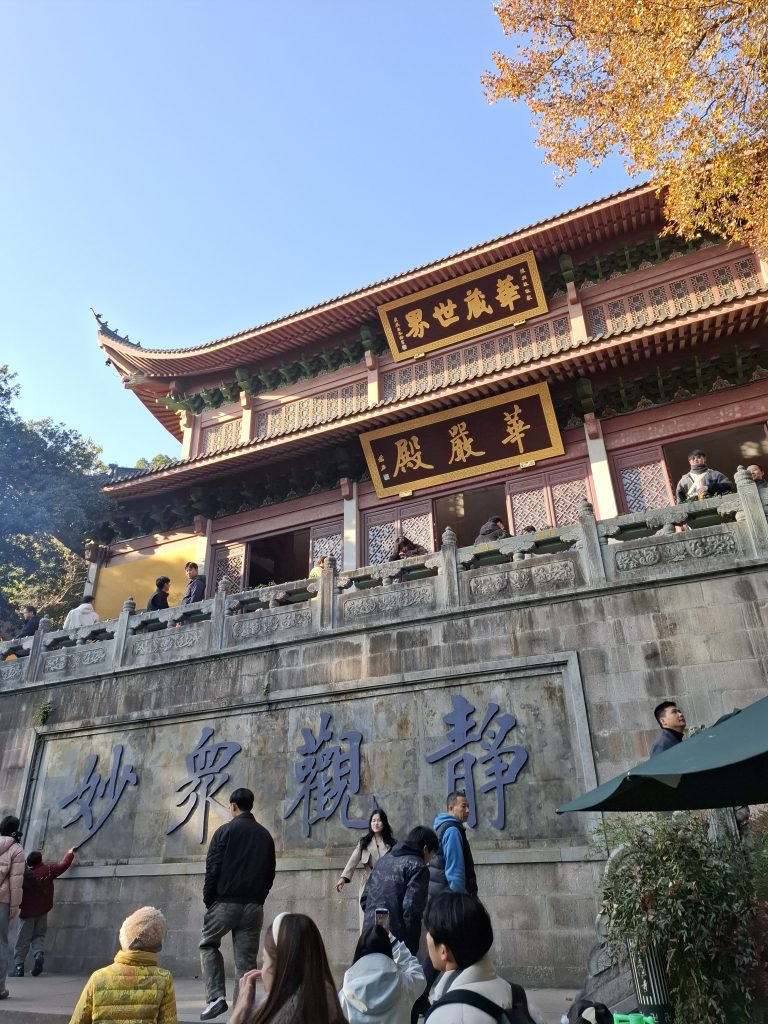
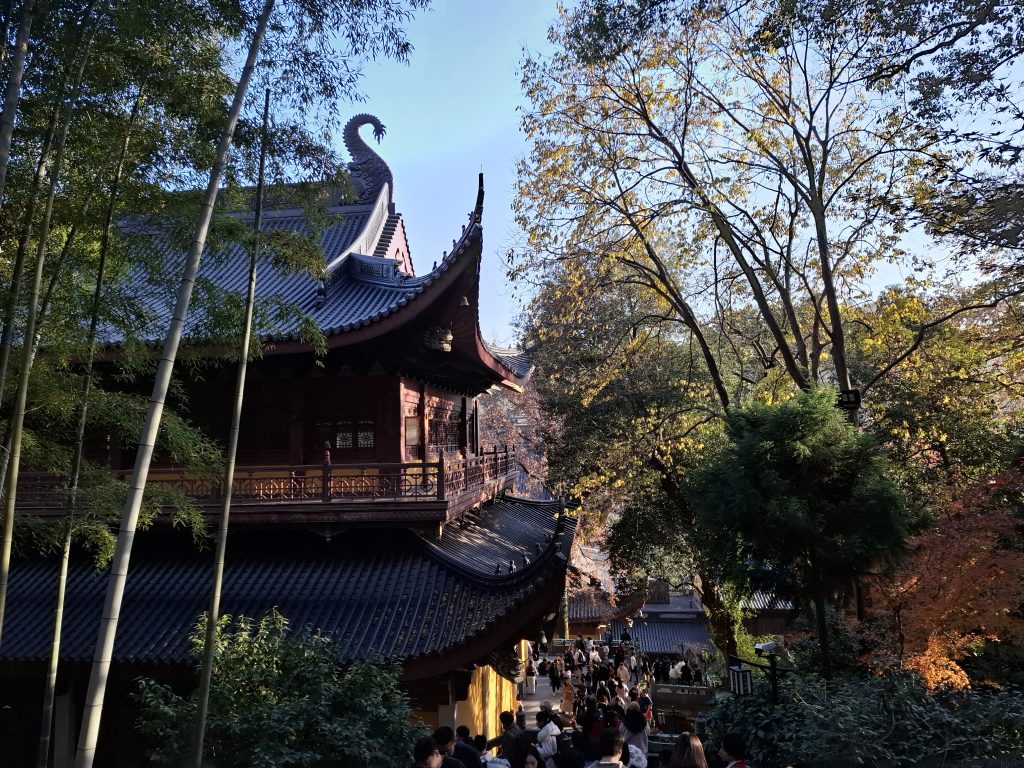
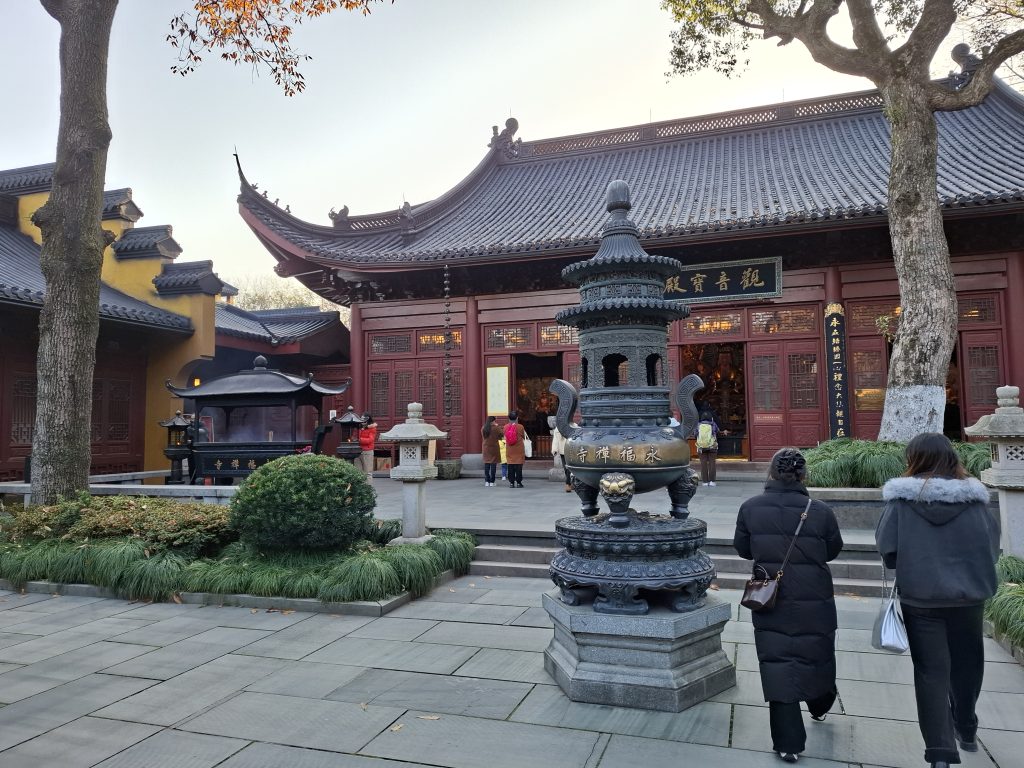
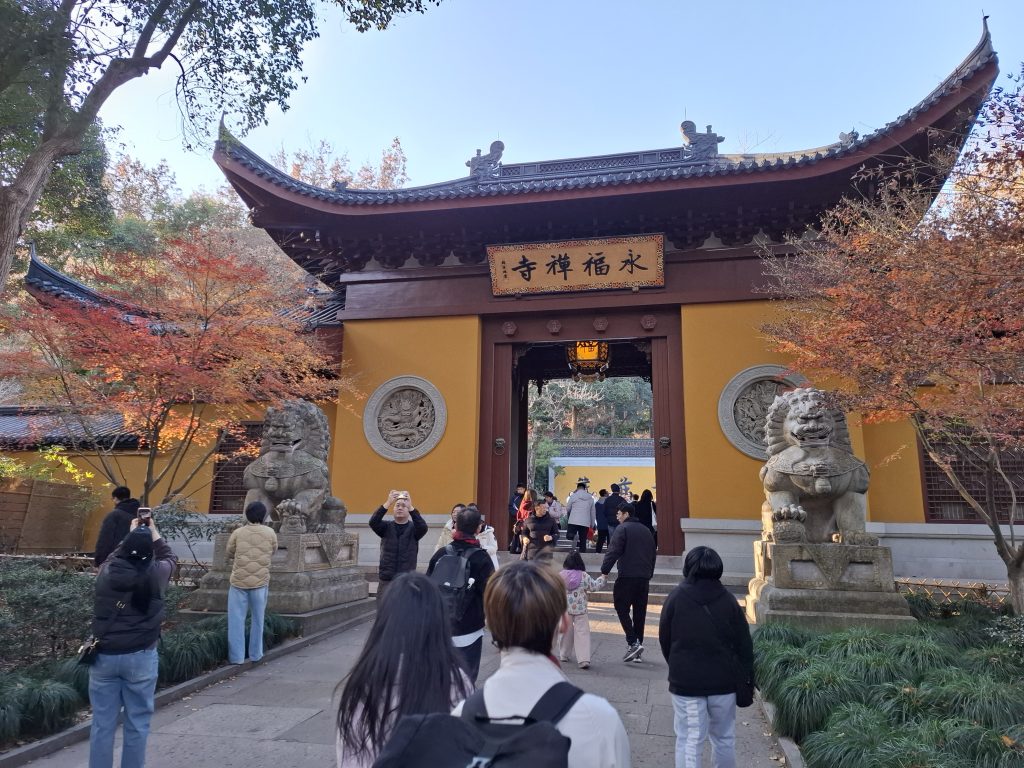
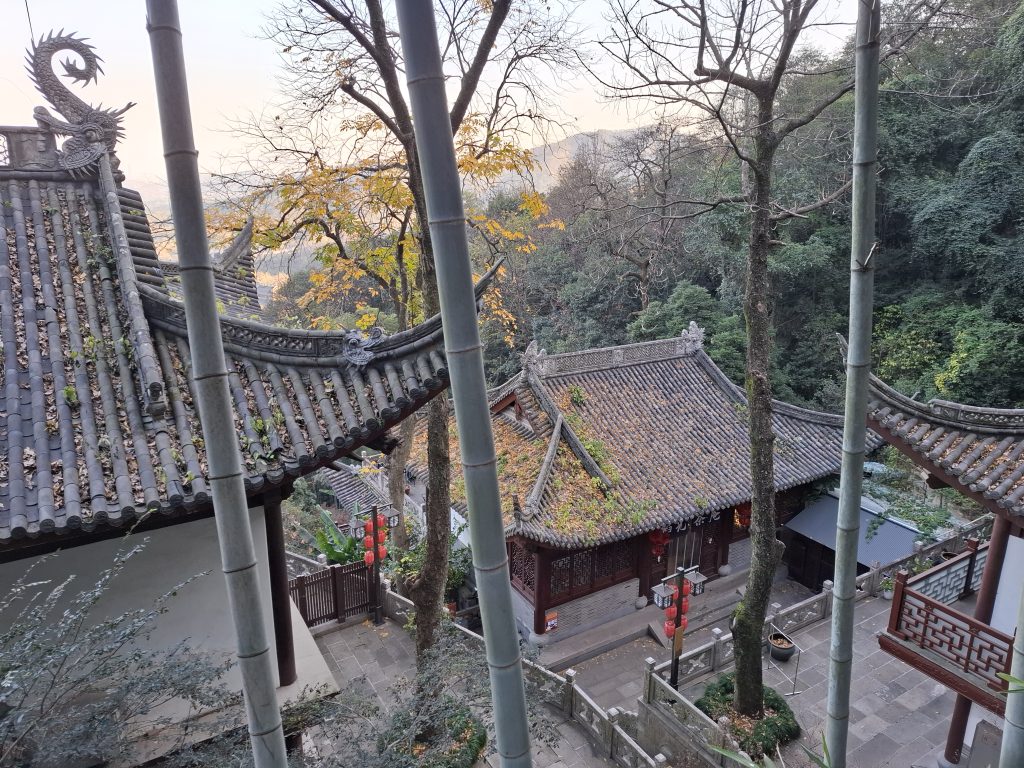
Lingyin Temple (灵隐寺) and the adjacent Feilai Peak (飞来峰) form one of Hangzhou’s most important Buddhist cultural complexes located north-west of the West Lake. Founded in 326 AD, the temple is one of China’s oldest and most significant Zen (Chan) Buddhist temples, while the peak is an open-air museum of ancient rock carvings.
The temple flourished as an imperial sanctuary during the Southern Song Dynasty (1127–1279) when Hangzhou was the capital. Emperors frequently visited for ceremonies and governance. The temple you see today was significantly rebuilt in the Qing Dynasty after a visit by Emperor Kangxi, who inscribed its name.
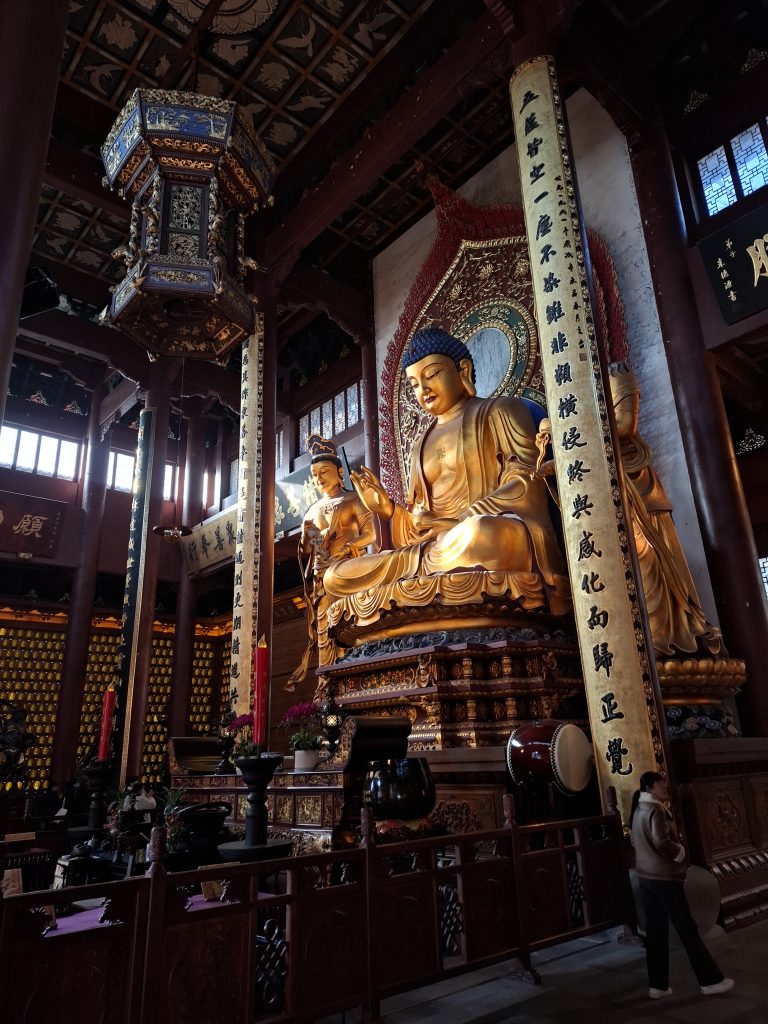
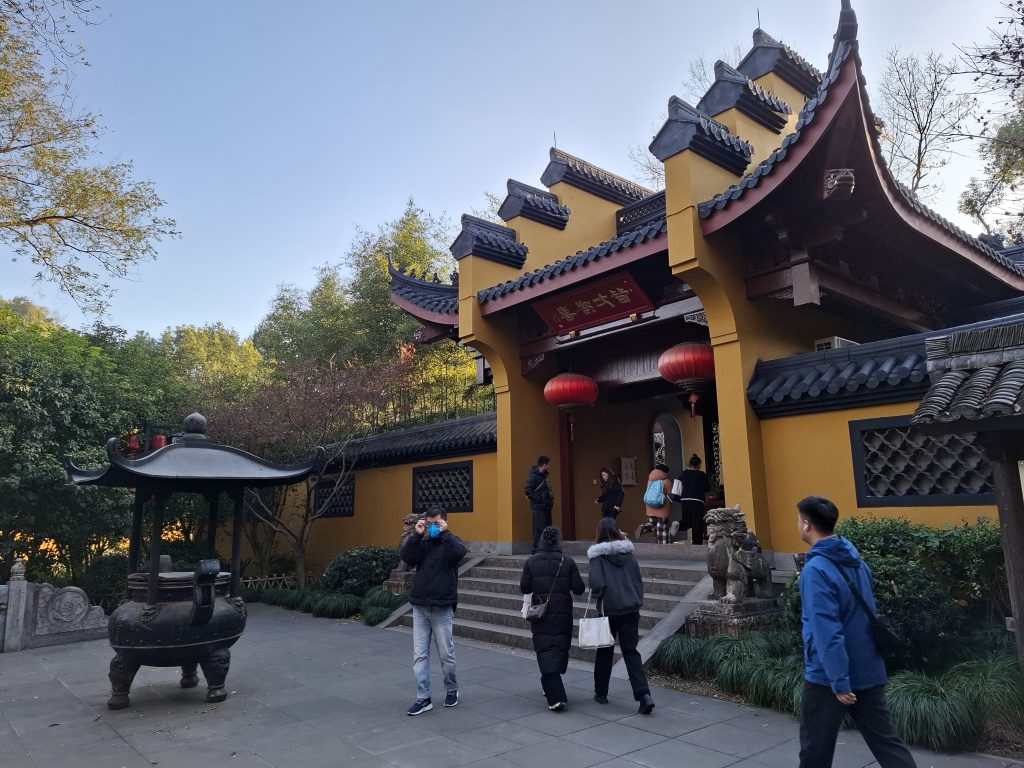
Lingyin Temple features:
- Hall of the Heavenly Kings, first main hall, that houses a large Laughing Buddha and a statue of Skanda, a Tang Dynasty guardian figure;
- Mahavira Hall (Grand Hall), the temple’s centerpiece, that features a 24.8-meter-tall gilded camphor wood statue of Sakyamuni Buddha.
- Hall of Ji Gong (Crazy Monk) that honors the legendary eccentric monk Ji Gong, a folk hero associated with the temple.
At Feilai Peak, one may see over 340 ancient buddhist rock carvings in grottoes and cliffs dating from the 10th to 14th centuries and The Laughing Maitreya Buddha, the largest and most famous carving on the peak, a 5.3-meter-tall, joyful Buddha statue from the Song Dynasty.
Don’t forget to reserve tickets for the Feilai Peak Scenic Area beforehand online, since the site has massive queues at on-site ticket office and tickets may be not available.
Longjing Tea Plantations
Hangzhou is the home of China’s most famous green tea, a short trip away from the plantations. Learn to pick and fry tea leaves in a sea of green terraces.
Grand Canal
Grand Canal is the world’s longest ans oldest man-made canal, with a history spanning over 2,500 years. Its construction linked northern and southern China, allowing for the transport of grain, commodities, and troops, which was vital for imperial administration and economic prosperity. For Hangzhou, becoming the canal’s southern endpoint during the Sui Dynasty (581-618 CE) cemented its status as a critical trade and cultural hub, fueling the growth and splendor you saw during the Southern Song period. Nowadays, it is a UNESCO World Heritage Site, which can be seen both in Hangzhou in the south and Beijing in the north. The southern terminus of this 1,794-kilometer canal has shaped Hangzhou’s development for centuries.
To see the Canal in Hangzhou, travel to Qiaoxi Historical & Cultural Block, the core preservation area by the canal. It’s home to a landmark stone arch Gongchen Bridge, several unique museums, and traditional architecture. Xiaohe Direct Street (Xiaohe Zhijie) is a well-preserved ancient street that captures the essence of an old canal-side town with traditional houses, shops, and cafes. At Wulinmen Wharf, you can take Canal Boat Tours and Water Buses.
The canal is an open scenic area, so you can visit anytime. For a richer experience, plan for half a day to leisurely walk the historic blocks, visit a museum, and take a short boat ride.
Hangzhou New City
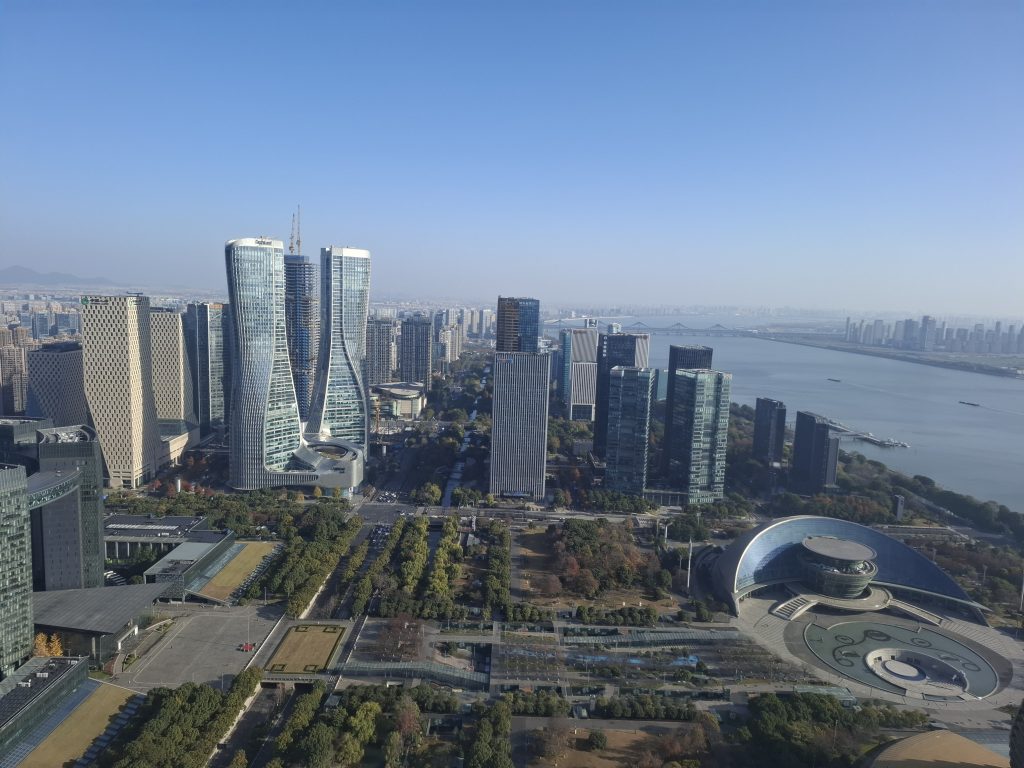
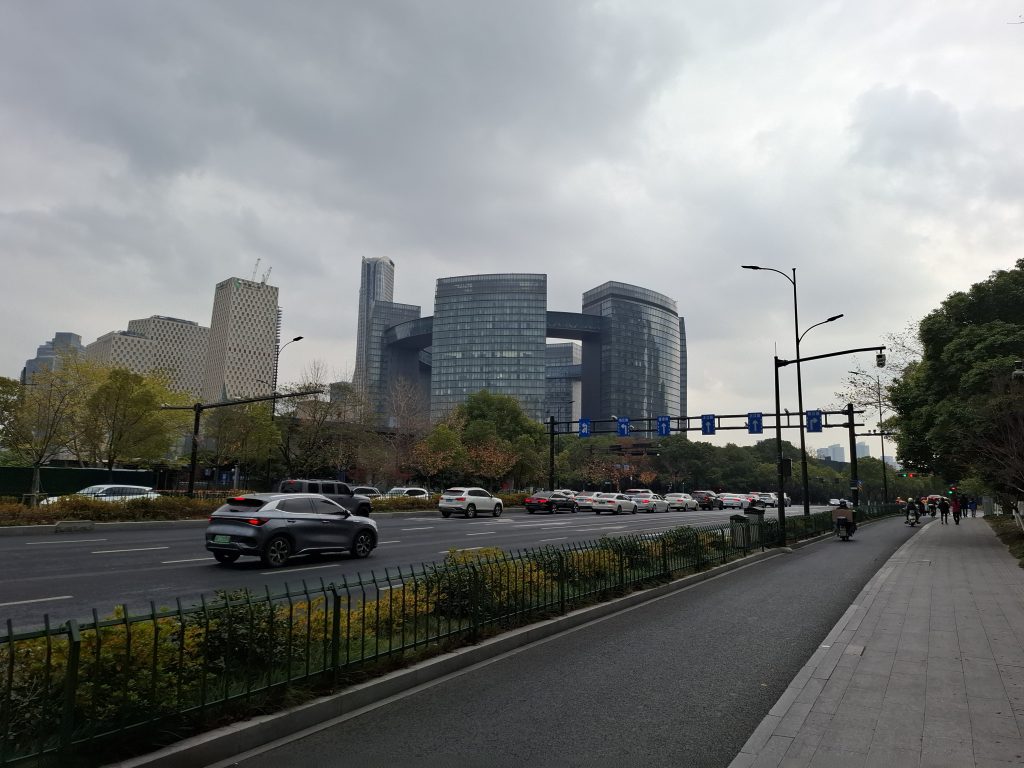
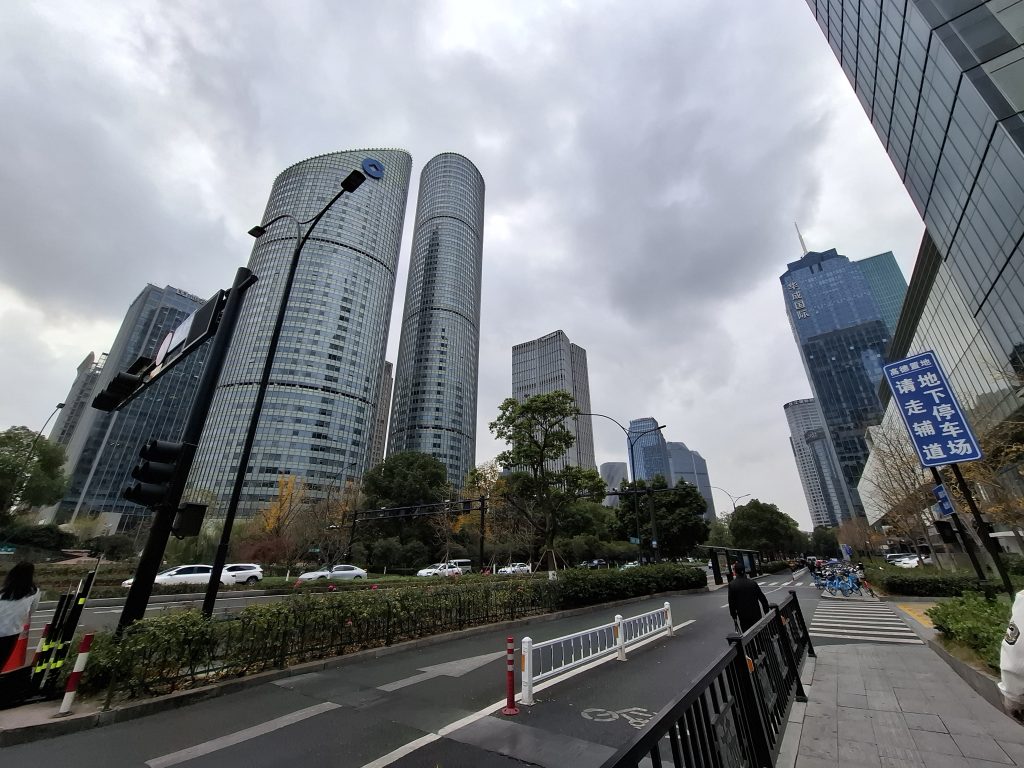
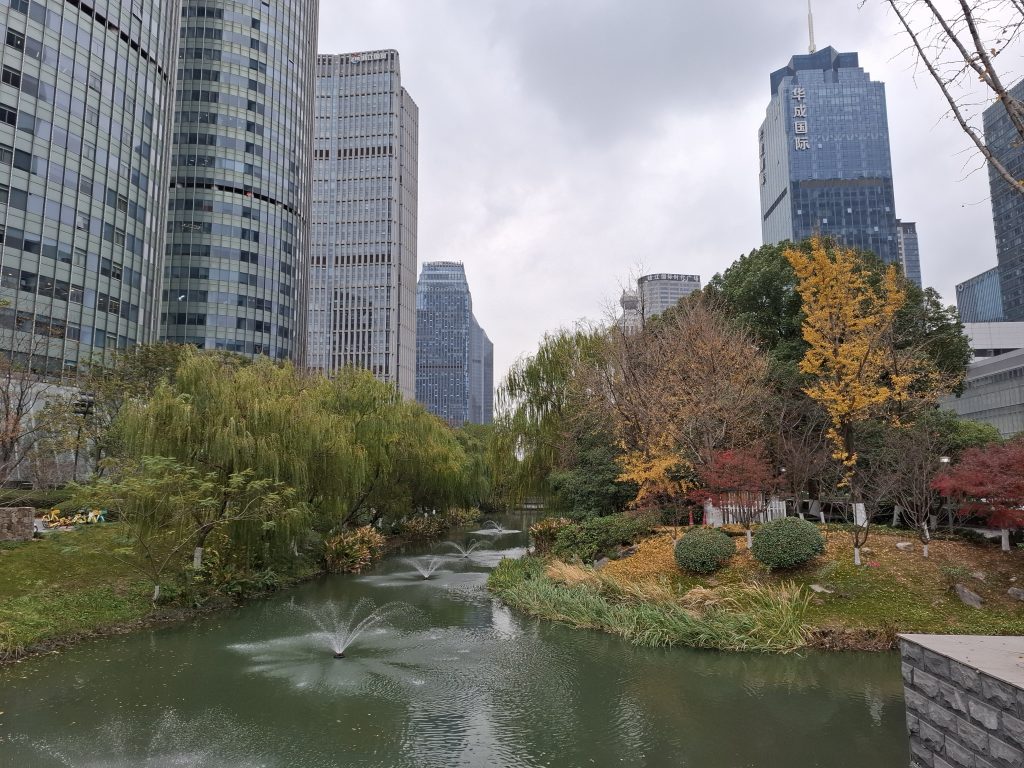
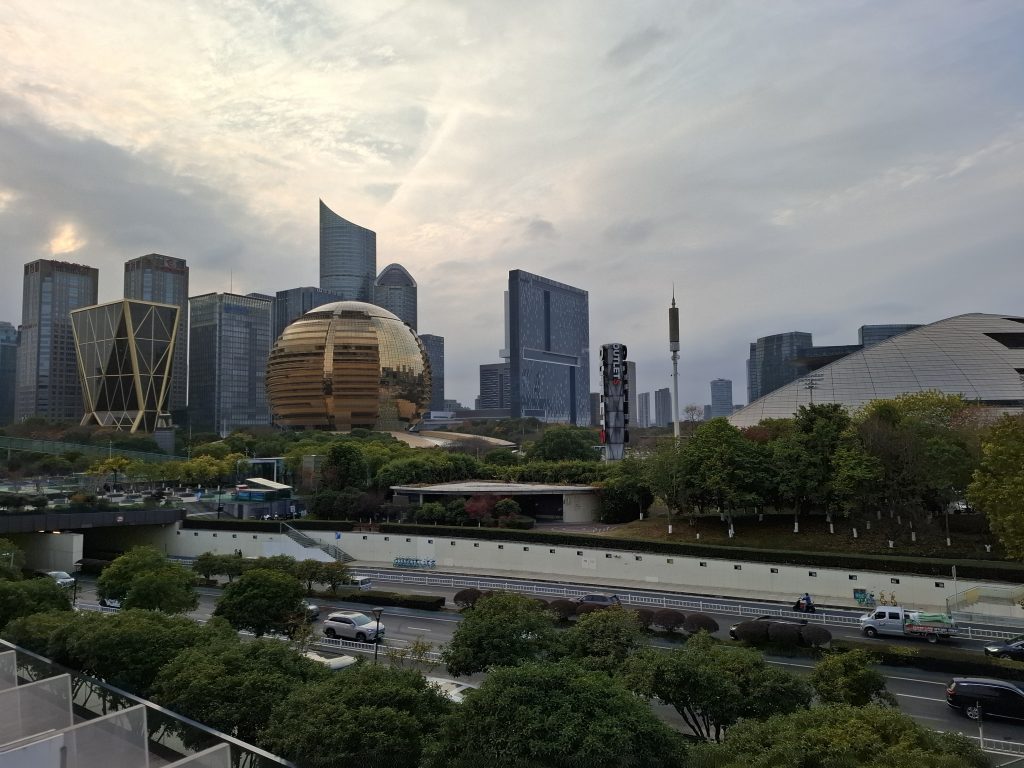
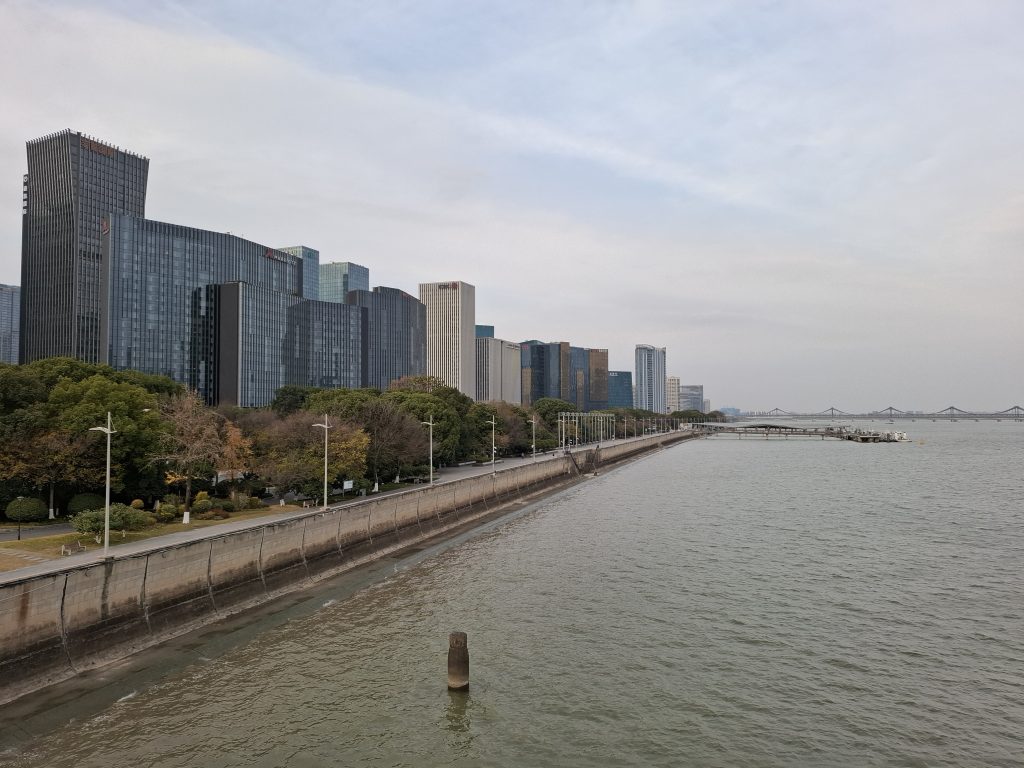
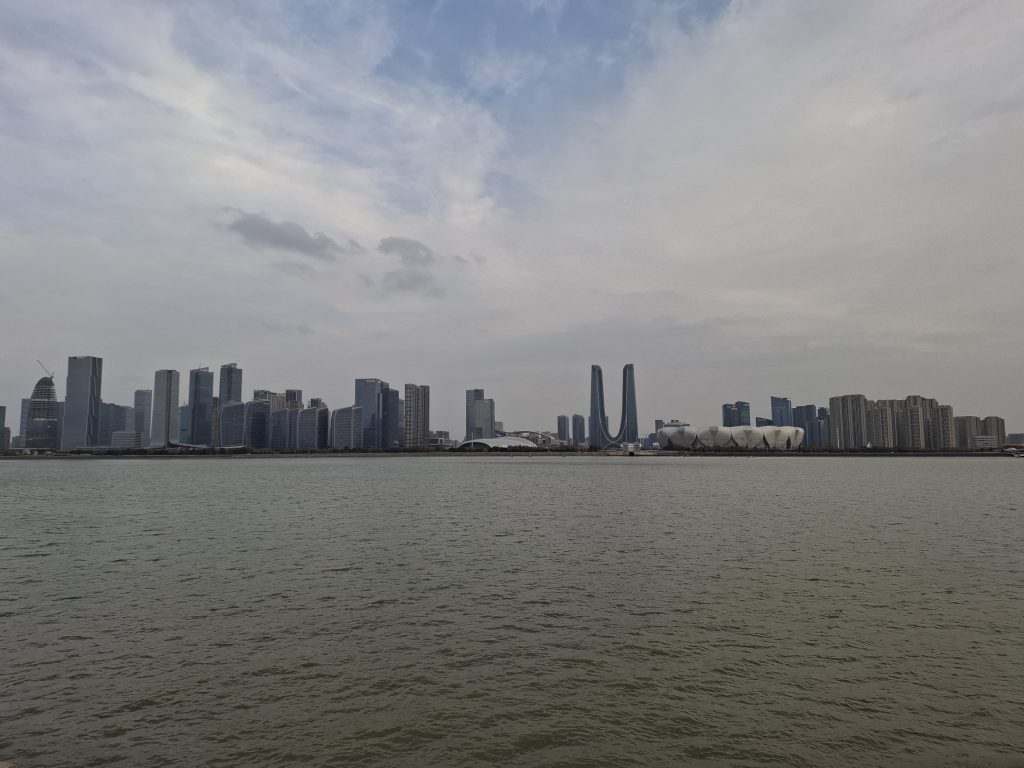
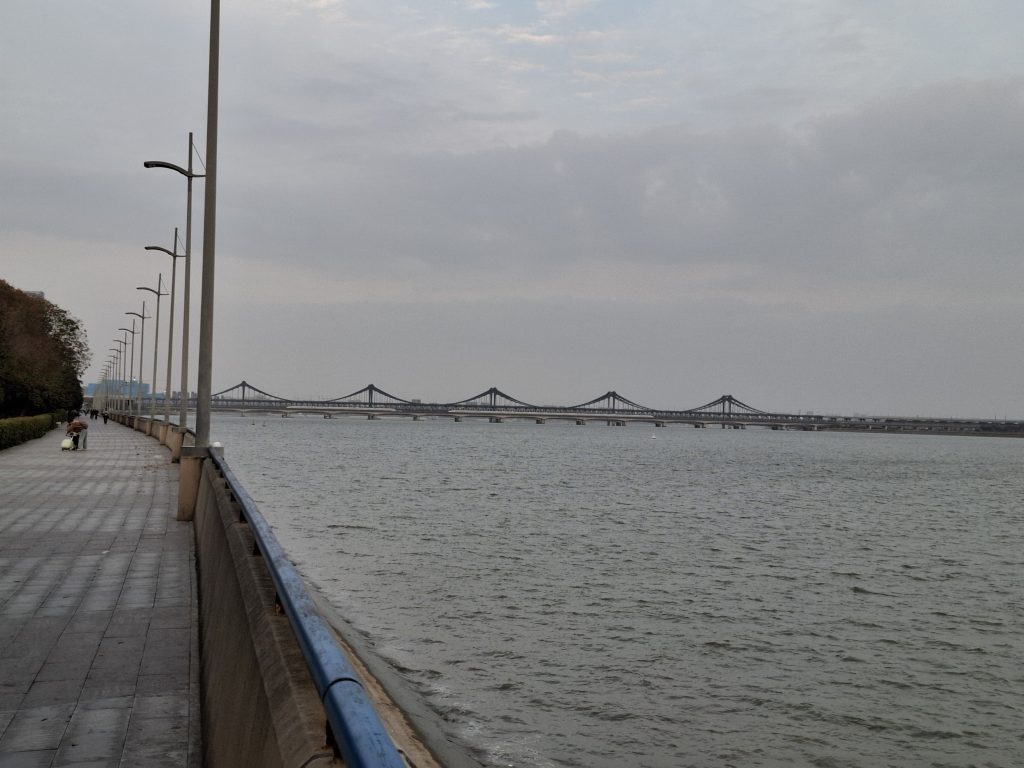
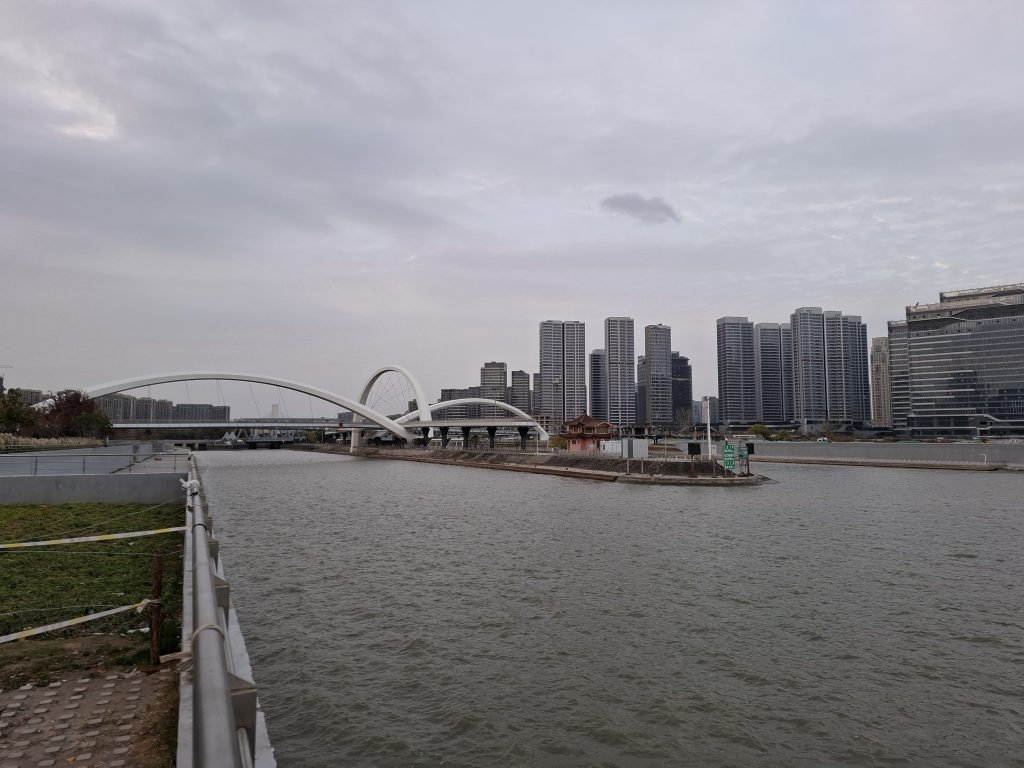
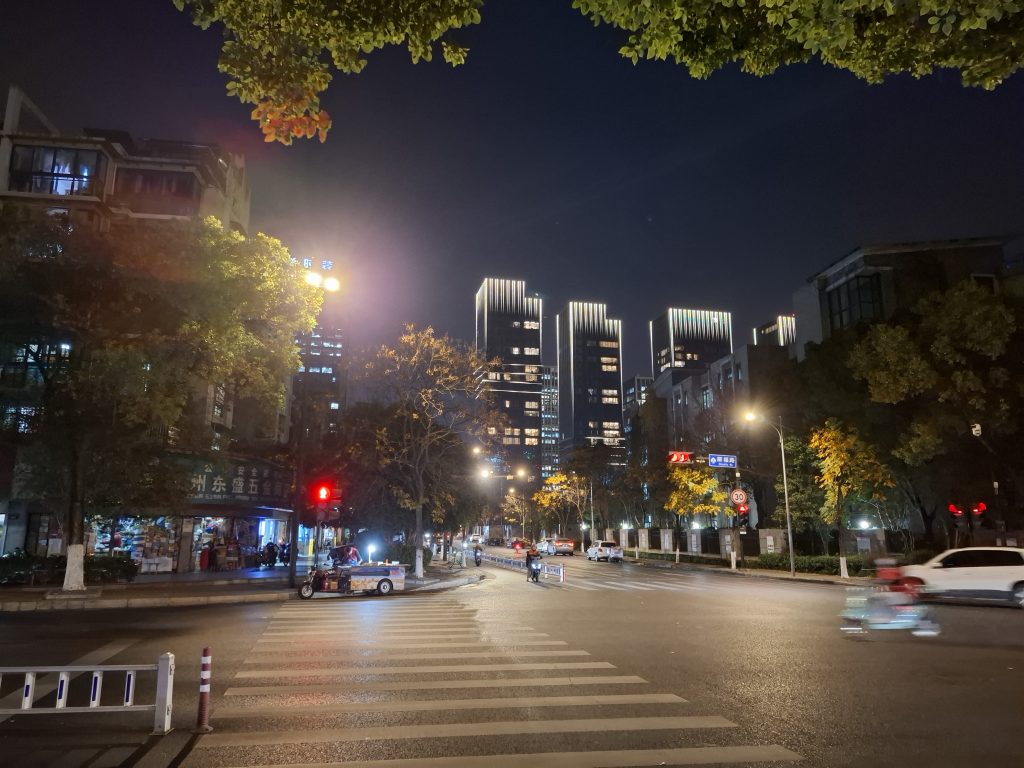
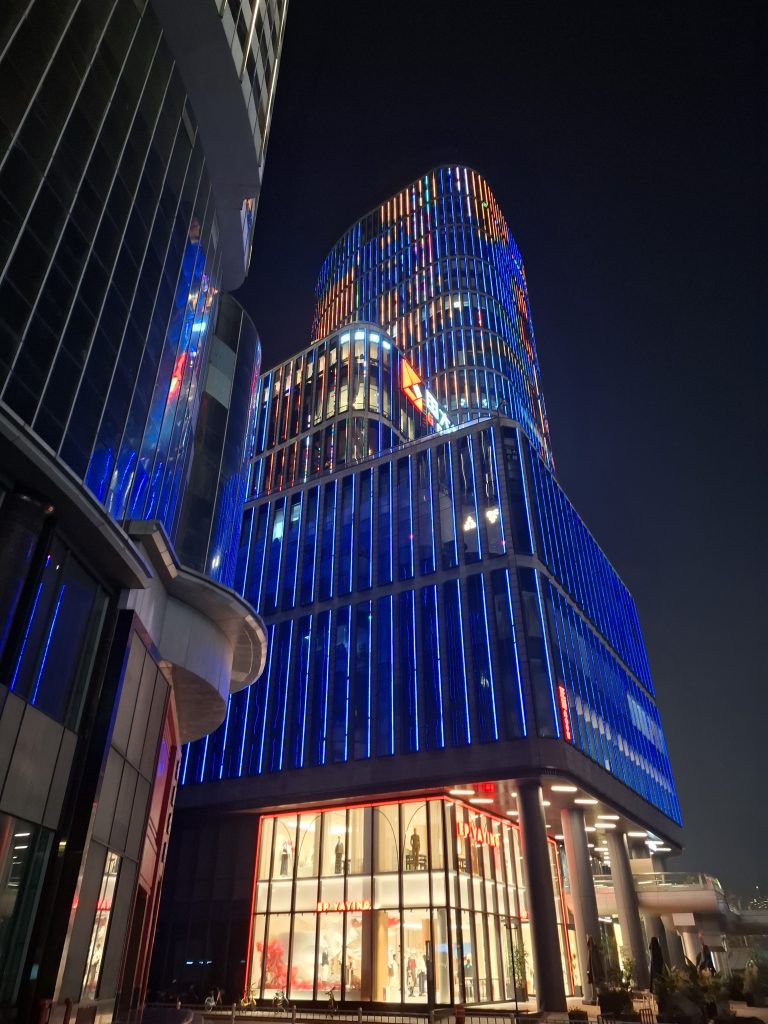
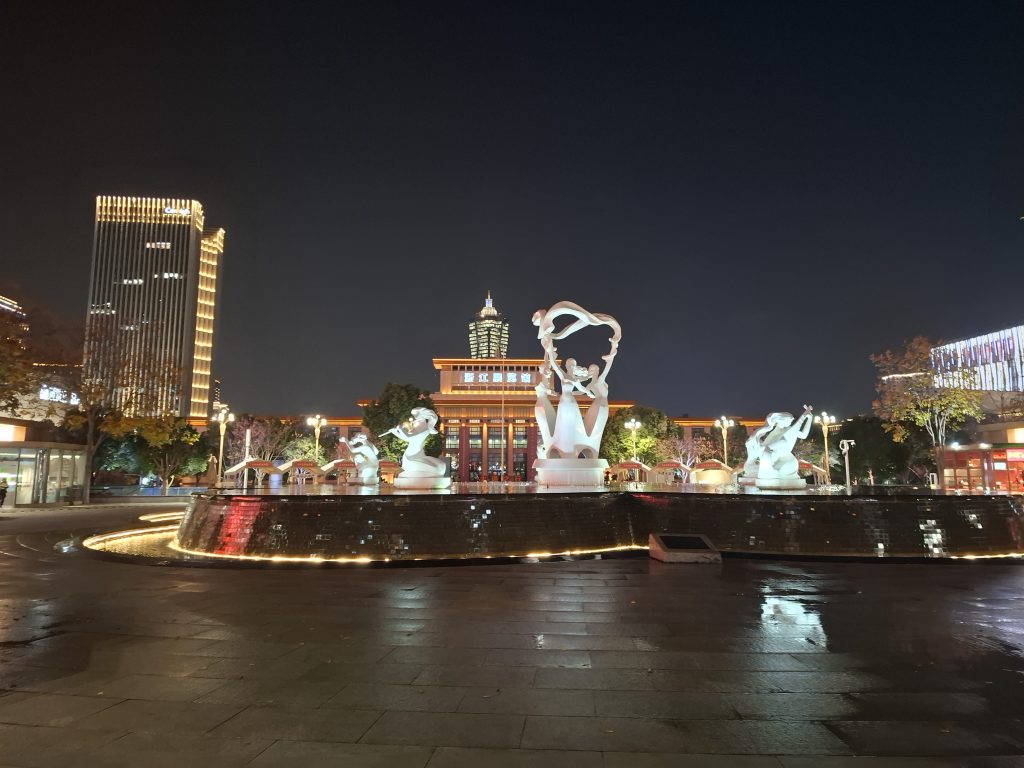
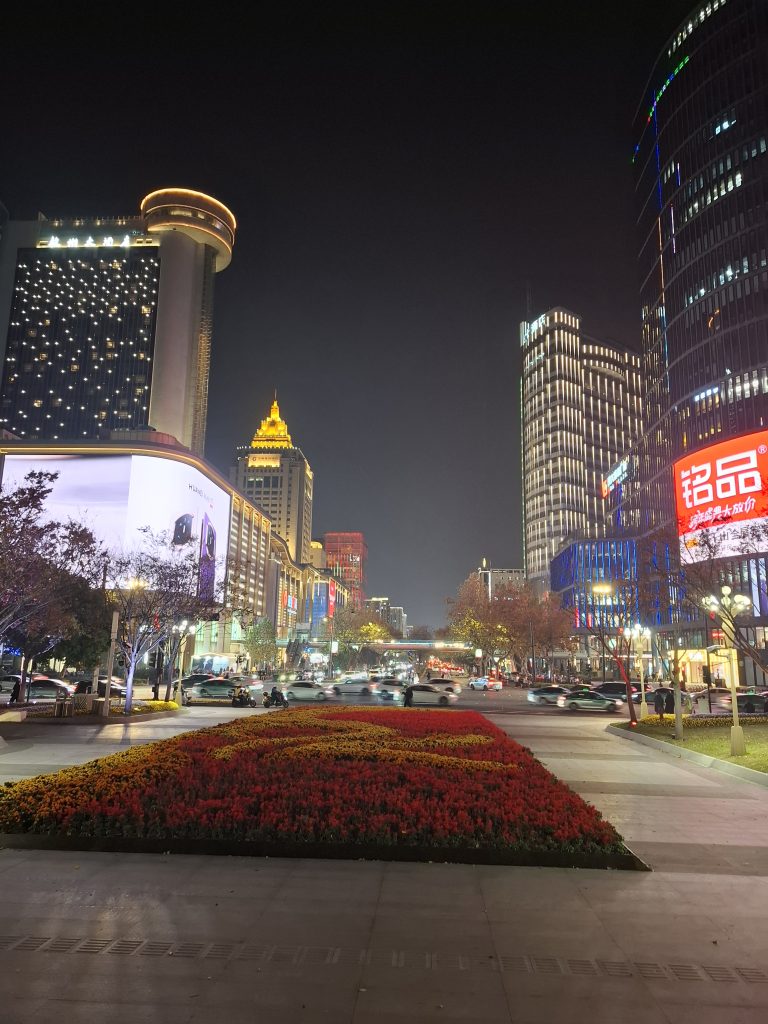
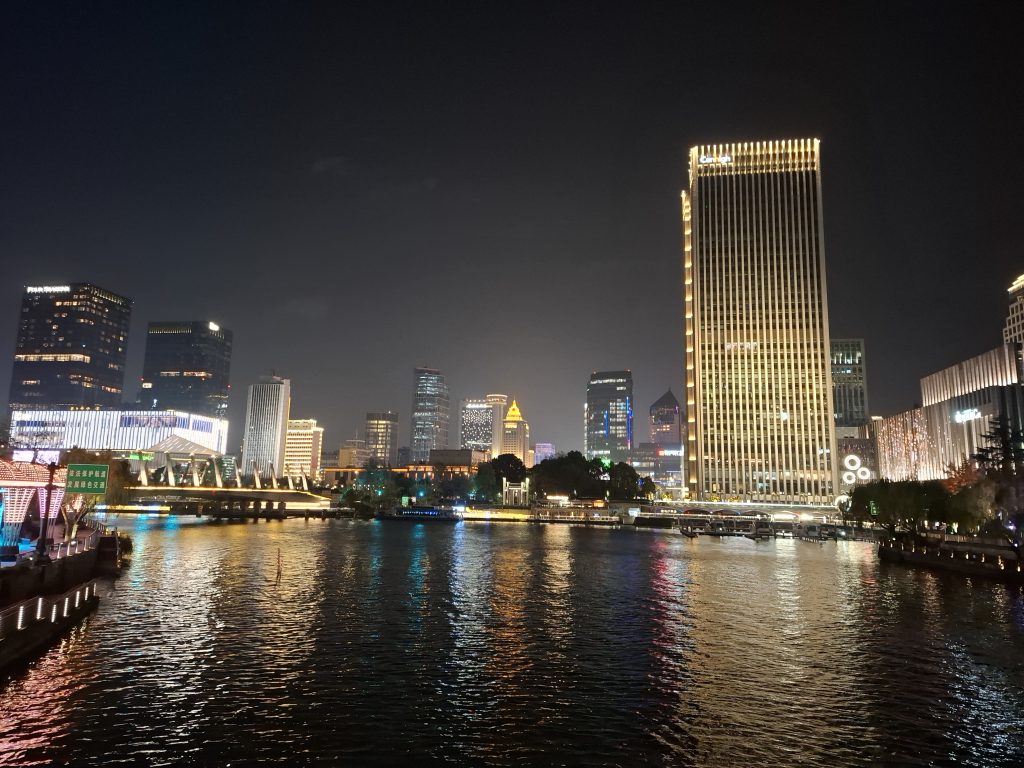
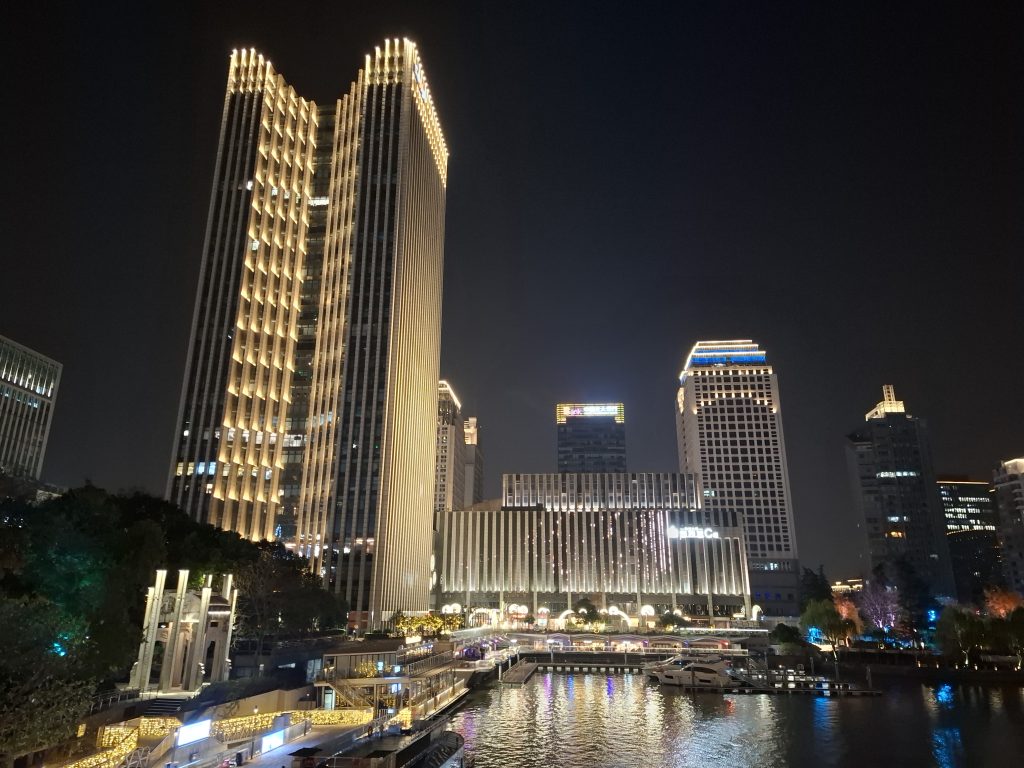
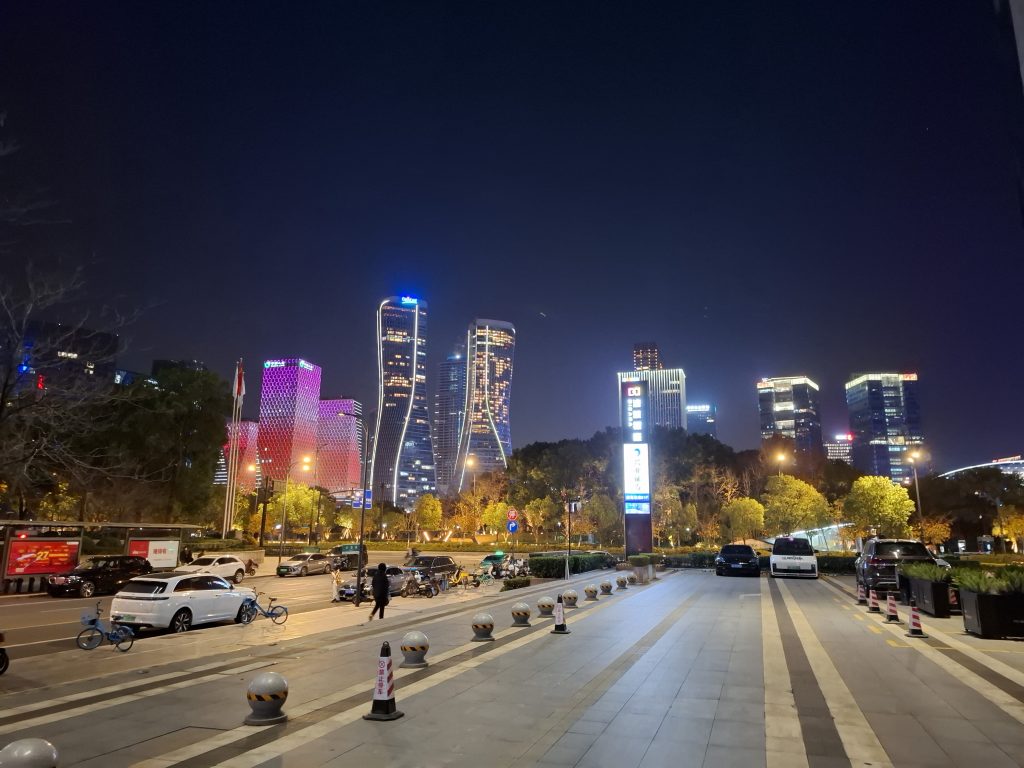
Hangzhou’s modern skyline offers a dramatic contrast to its ancient West Lake scenery. The city’s skyscrapers are primarily concentrated in two adjacent, bustling districts on the north bank of the Qiantang River: Qianjiang New City and Qianjiang Century City. These districts represent Hangzhou’s contemporary ambition. Qianjiang New City is the city’s official Central Business District (CBD), featuring a futuristic skyline illuminated by spectacular light shows. Just across the river, Qianjiang Century City is a newer development anchored by the city’s tallest twin towers.
Go for “Golden Hour” (shortly before sunset) to see the buildings glow, or after dark for the light shows. Enjoy a stroll along the Qiantang River promenade for the best panoramic views of the skyline.
Hangzhou is more than a city or a collection of scenic spots. For over a millennium, the concept of harmonious coexistence between humanity and nature has been consciously cultivated here, transforming the landscape into what UNESCO recognizes as an ideal model of Chinese aesthetic philosophy. West Lake is a masterpiece of “consciously designed landscape” that has been “improved upon by poets, scholars, and emperors since the 9th century” to achieve its celebrated beauty.
This spirit of harmony defines every corner of the “Lake Capital.” From the ancient Buddhist grottoes of Feilai Peak, where art is carved directly into nature, to the Longjing tea terraces that sculpt the hills into productive beauty, Hangzhou demonstrates how human activity can enhance rather than diminish the natural world. The Grand Canal stands as the ultimate testament to this, a monumental feat of engineering that connected the nation and nourished a civilization, all while becoming an organic part of the waterscape.
The history inscribed on the Confucian Temple’s steles, the prayers whispered in Lingyin Temple, and the daily rhythms of life along Hefang Street are all part of a continuous story. Hangzhou is an invitation to wander, to contemplate, and to experience firsthand why this city has been revered for centuries as China’s “Heaven on Earth.” It’s an encounter with the soul of a culture that has long sought, and found, perfect balance.