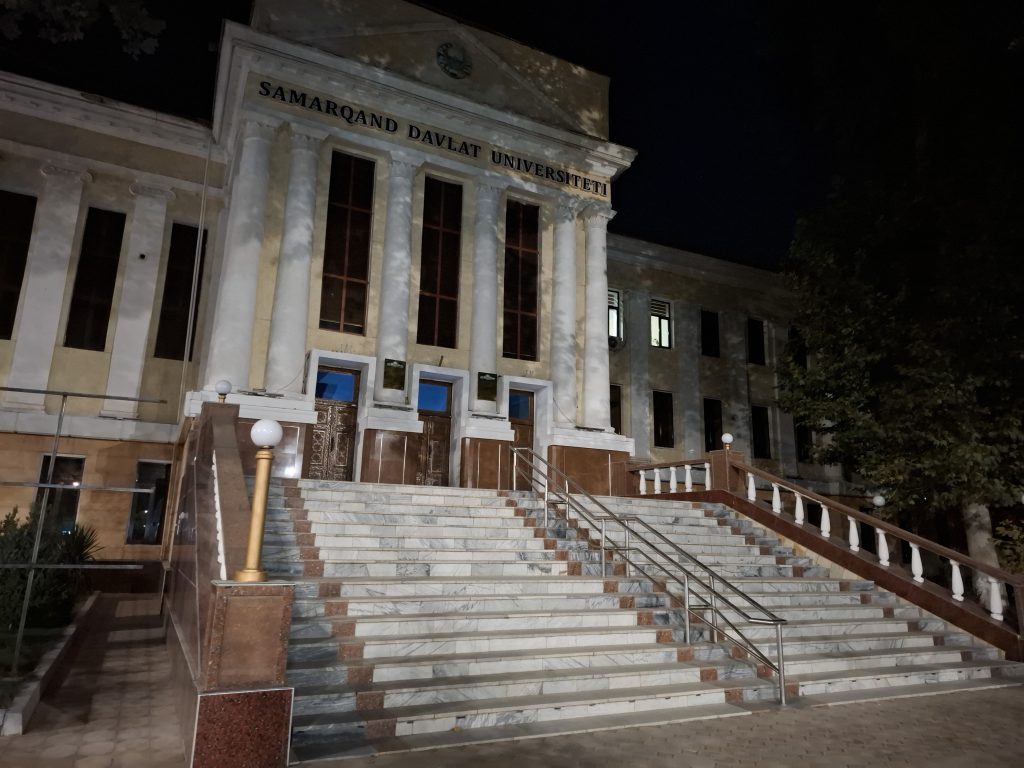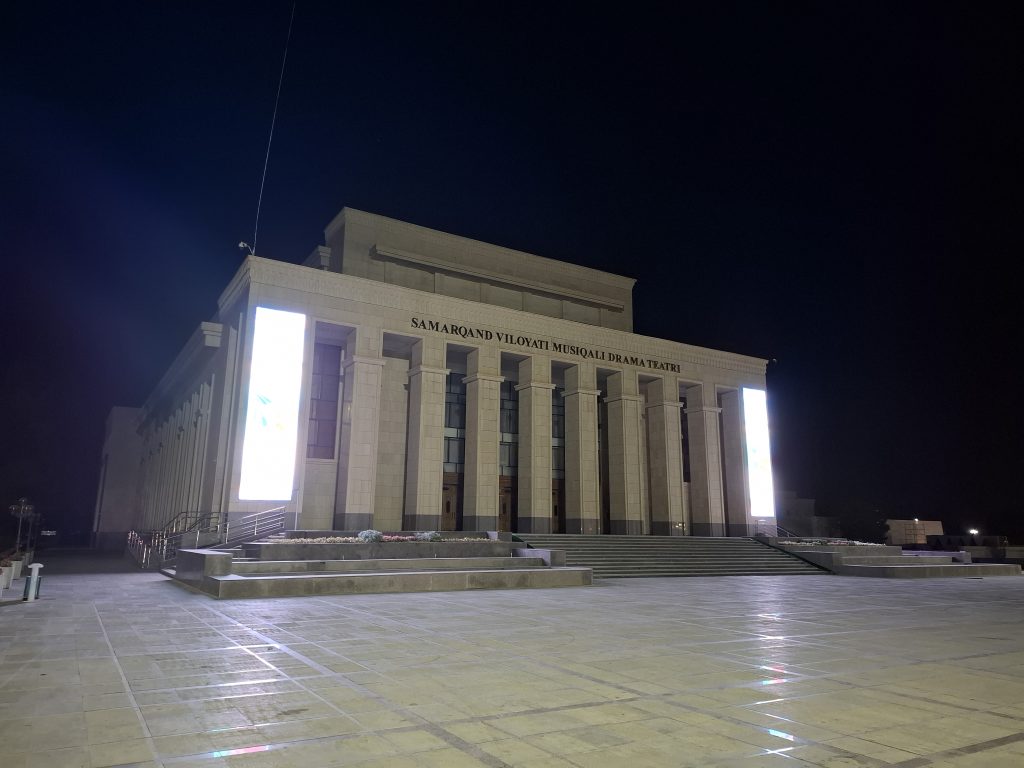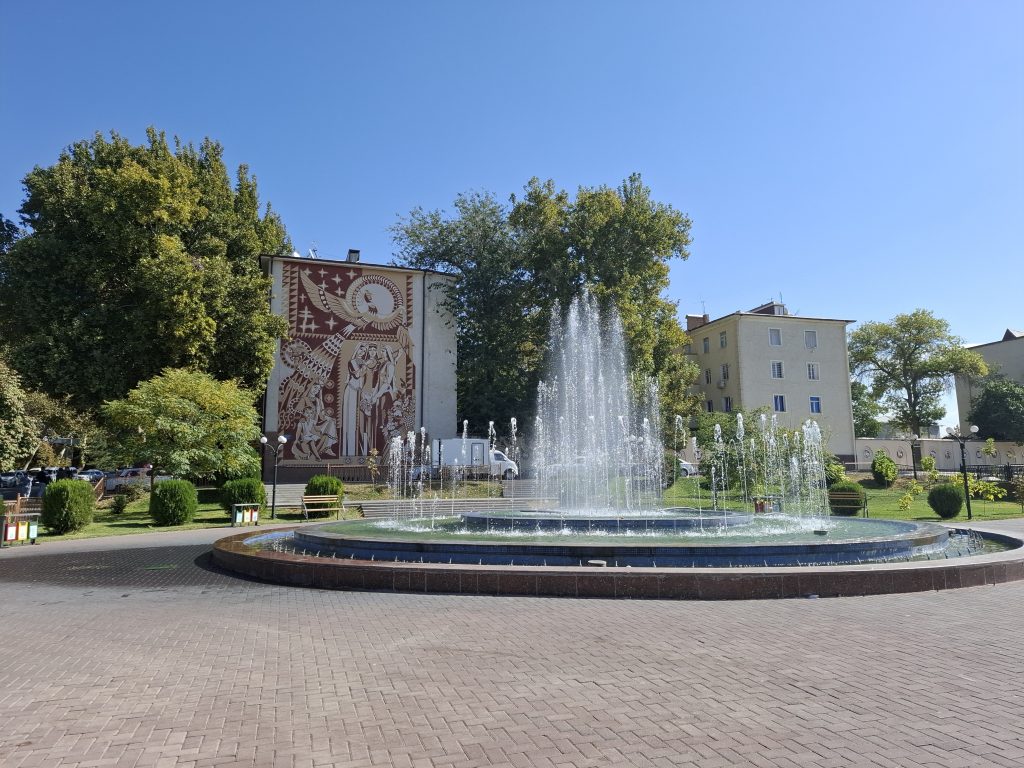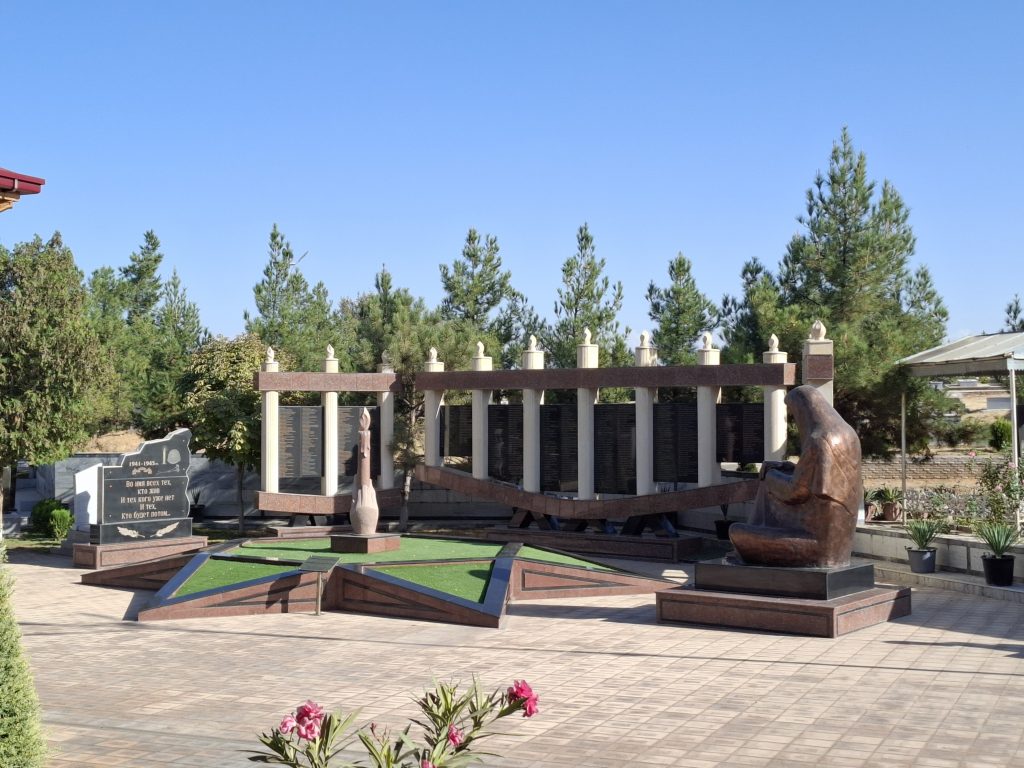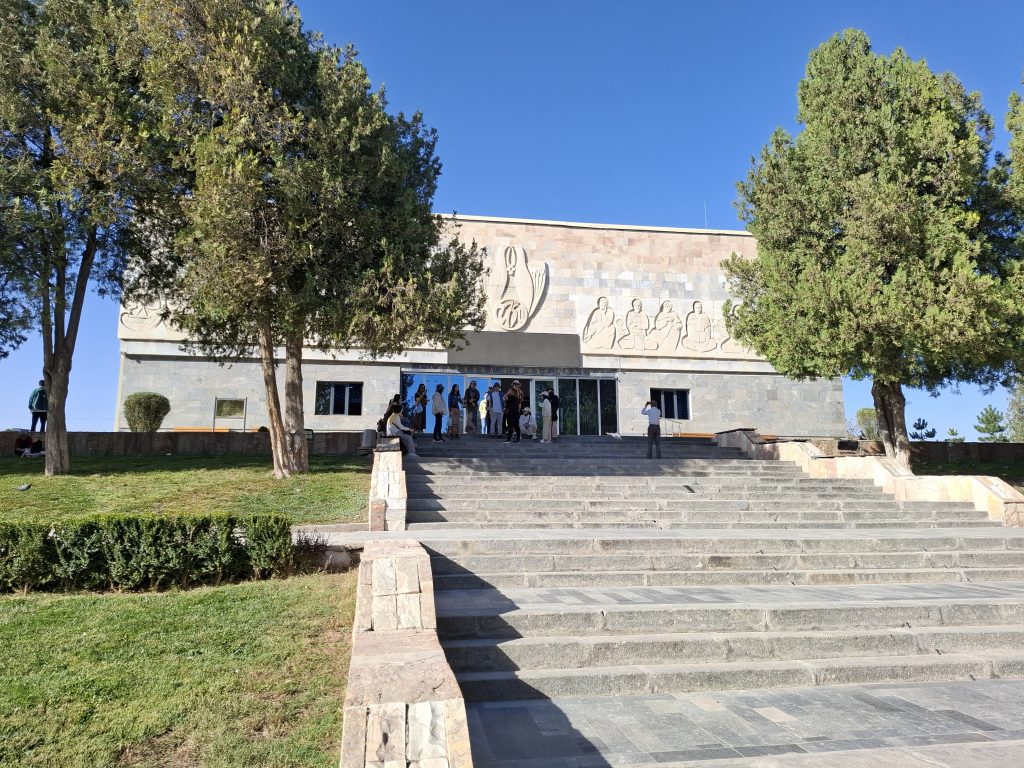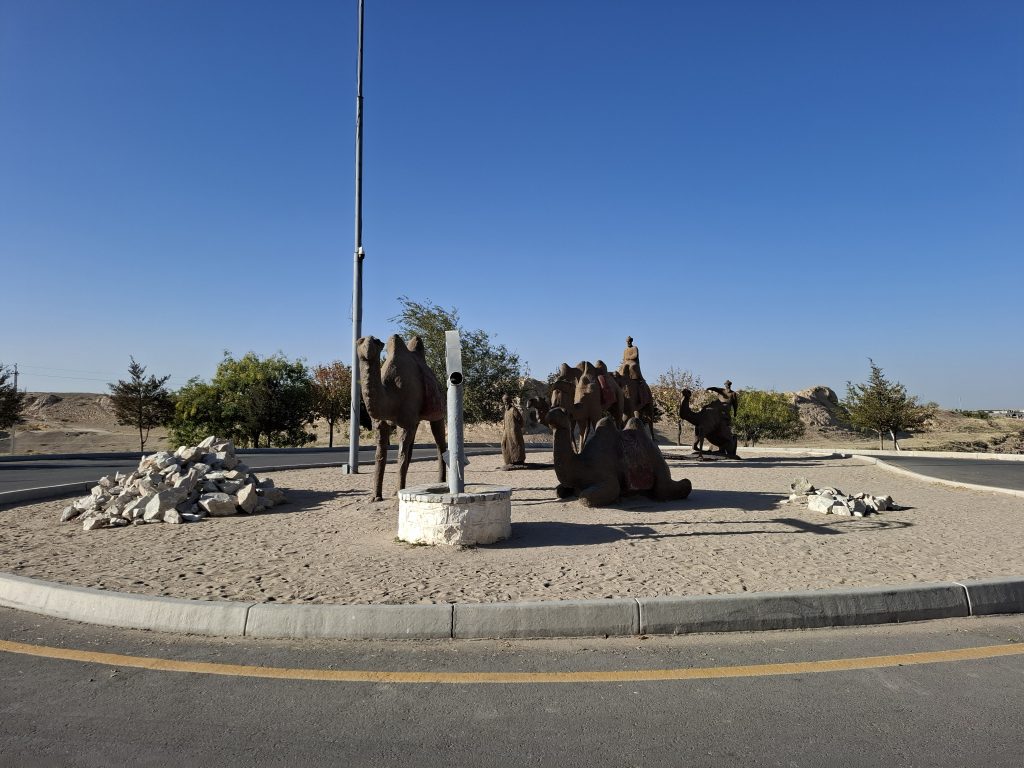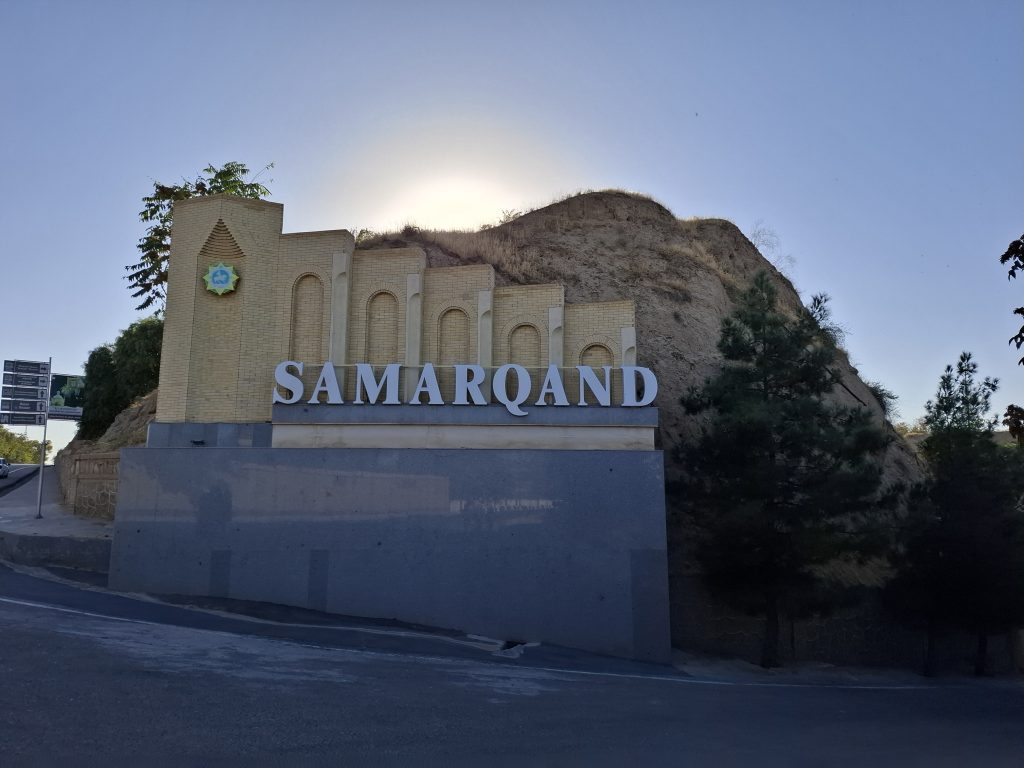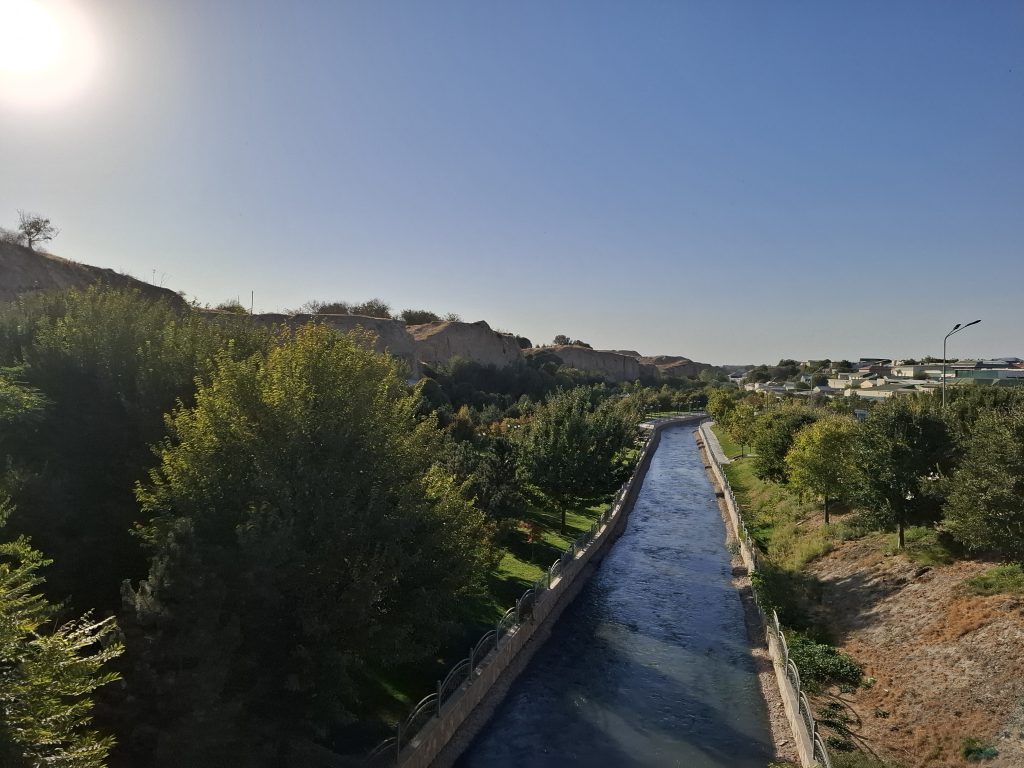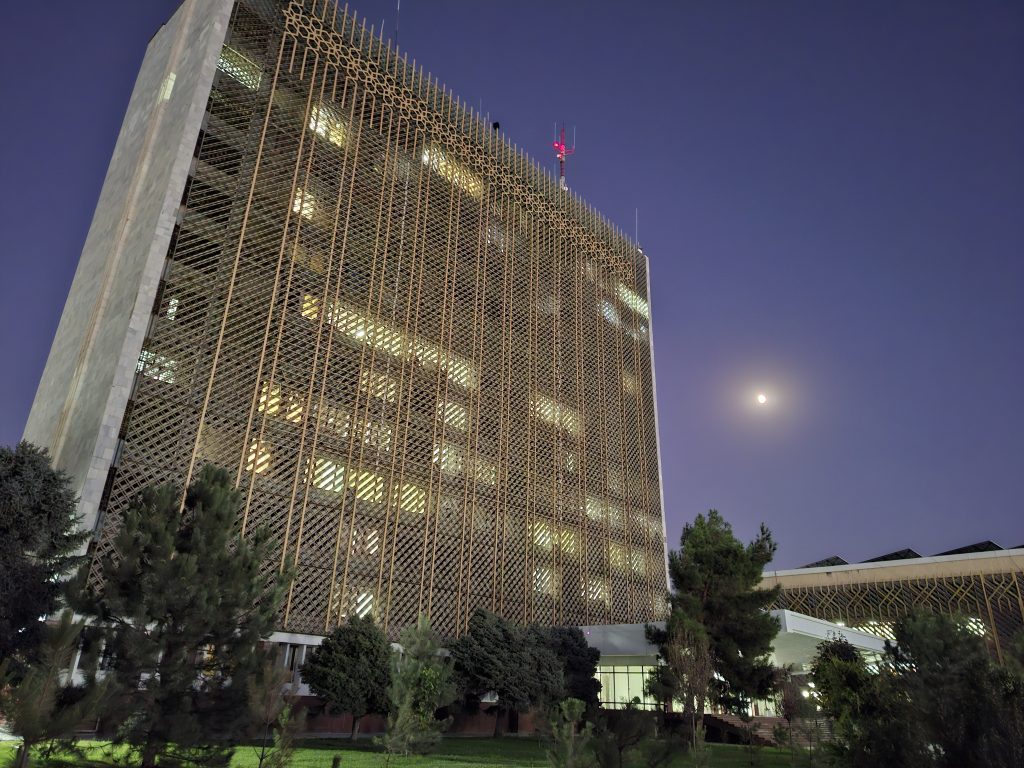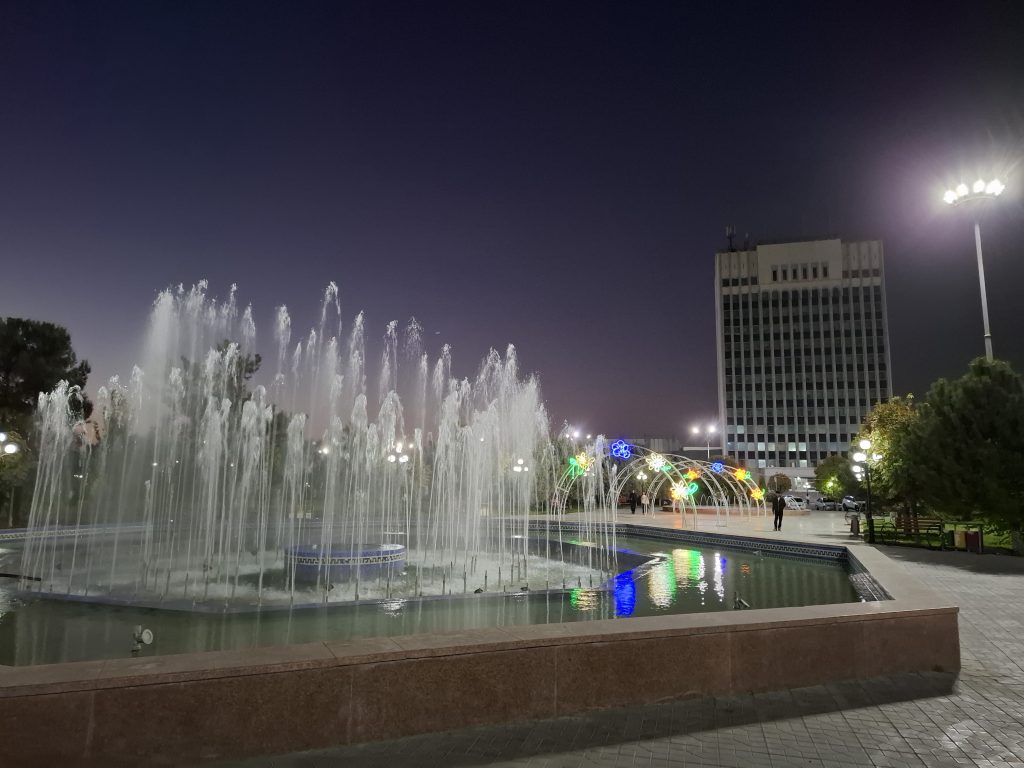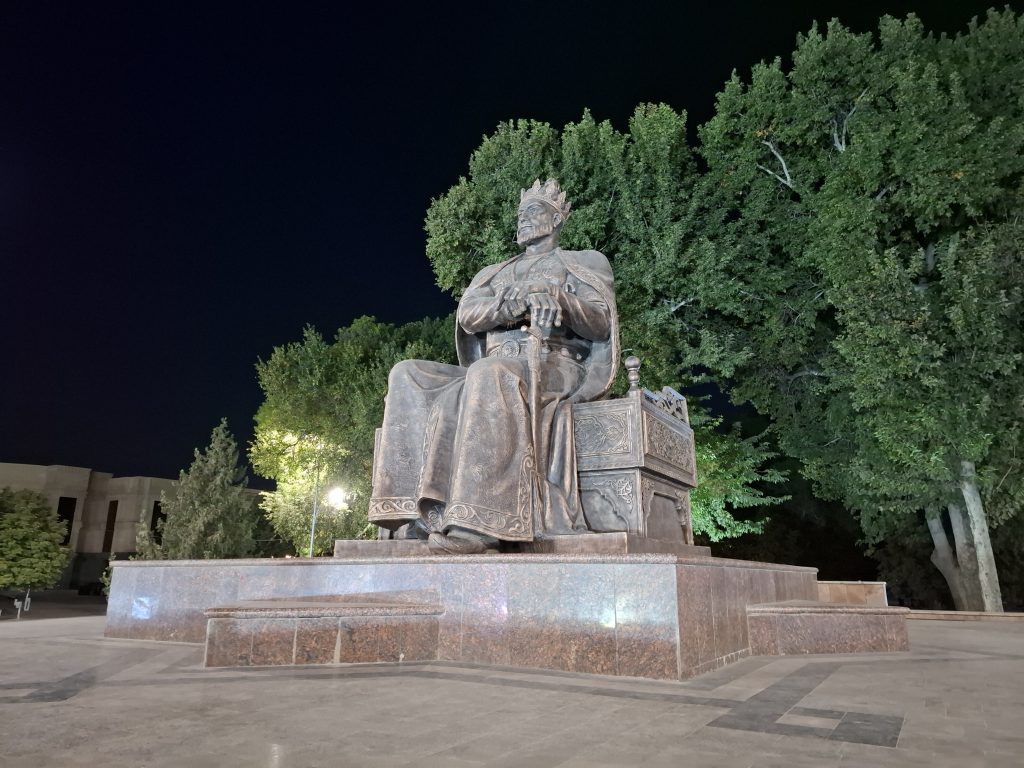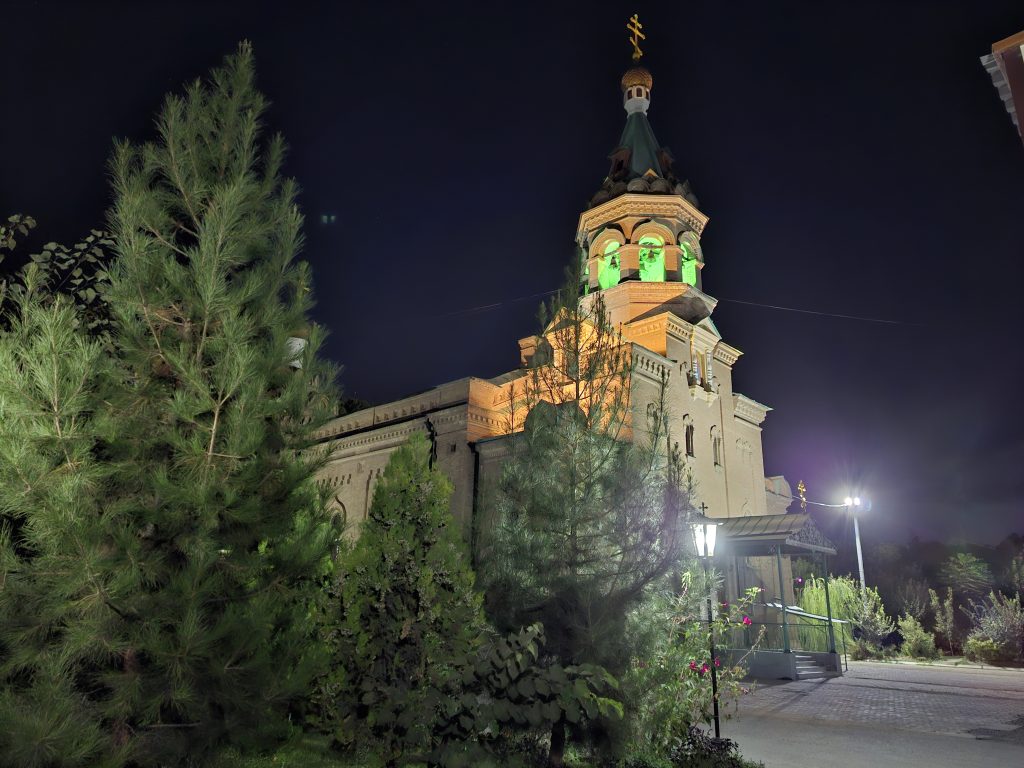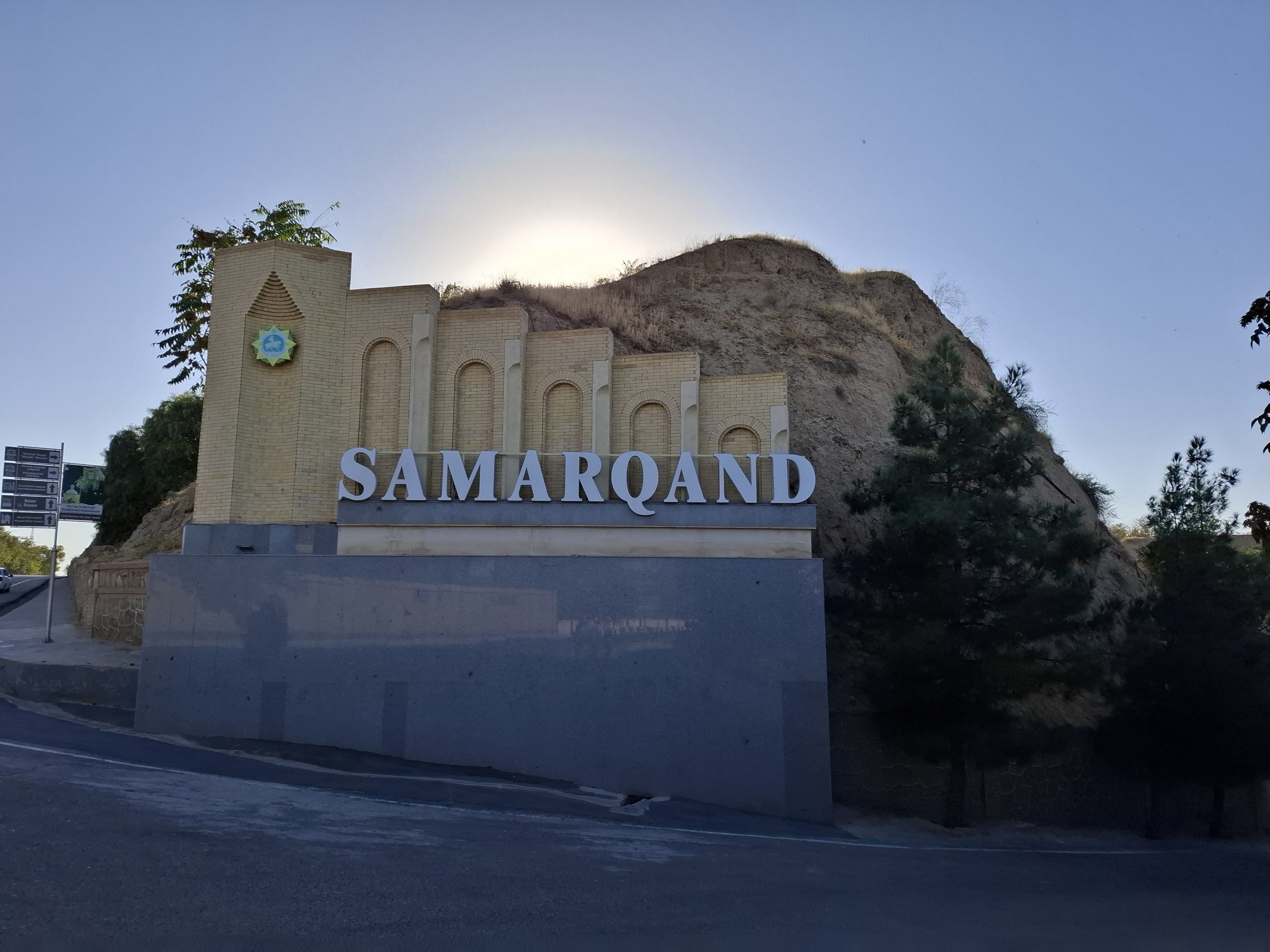
Samarkand in the Uzbek SSR, was a place where imperial history, scientific modernization, and a new national narrative collided. For 70 years, the USSR transformed this Silk Road jewel.
🏙️ A City Remodeled
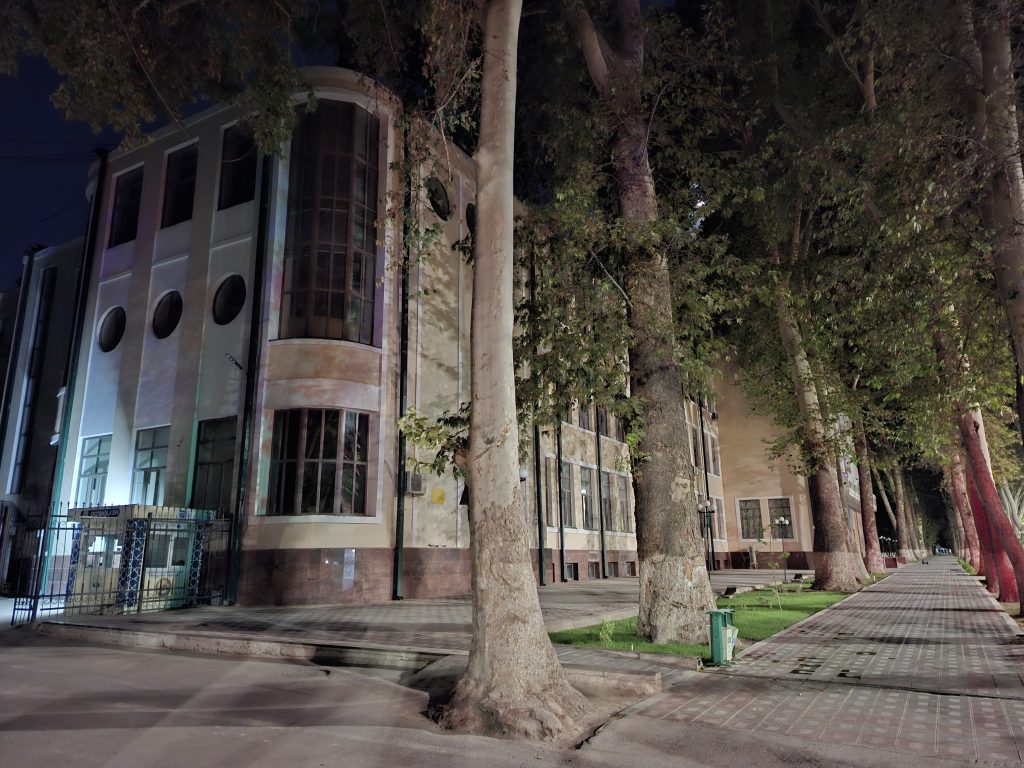
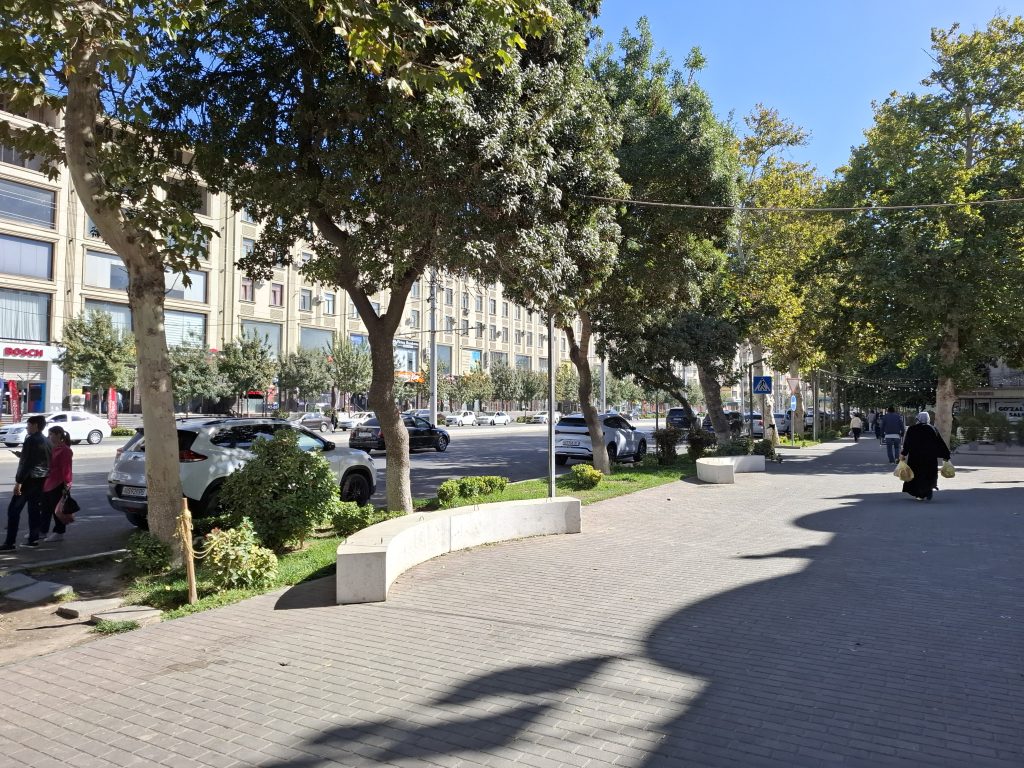
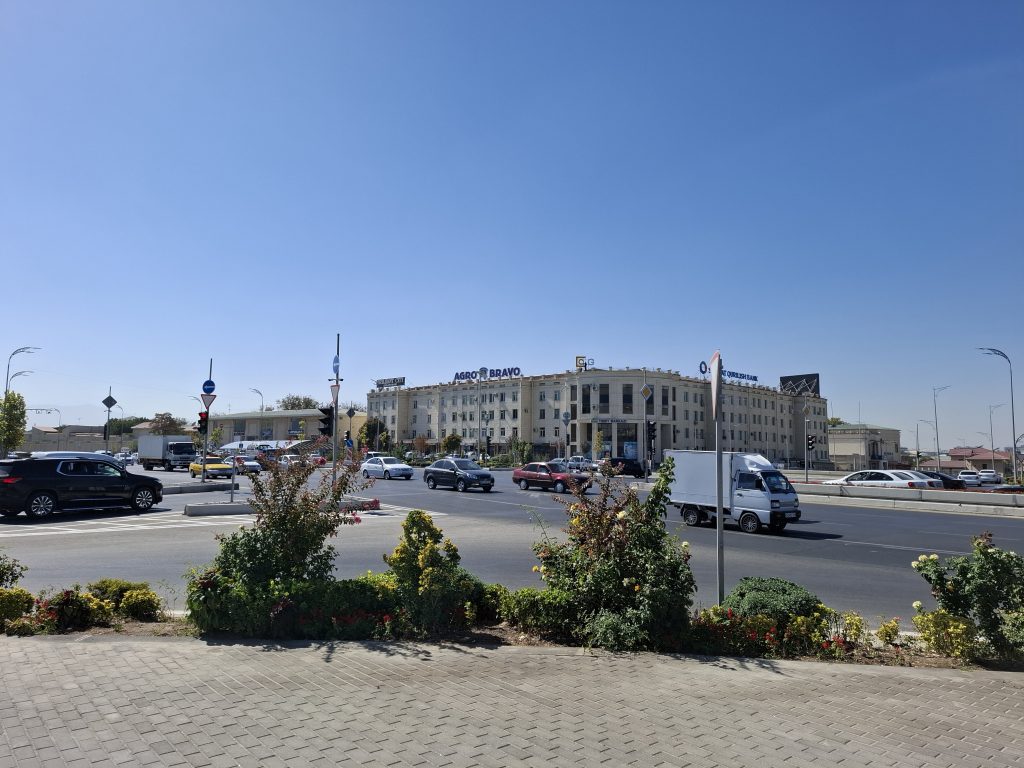
The Soviets introduced a new urban grid with wide boulevards and apartment blocks, reshaping the traditional neighborhood structure. This period was one of significant “modernisation,” which altered the city’s social fabric and demographics.
🎭 What to See: Layers of History
Visiting today, you walk through these historical layers. Key sites and legacies from this era include:
- Soviet-Era Restoration: The iconic monuments you see today, including the Registan Square madrasas and the Gur Emir mausoleum, owe much to extensive Soviet restoration projects that began in the 1920s.
- The Scientific Legacy: The Ulugh Beg Observatory, a 15th-century site of groundbreaking astronomy, was excavated and studied by Soviet archaeologists.
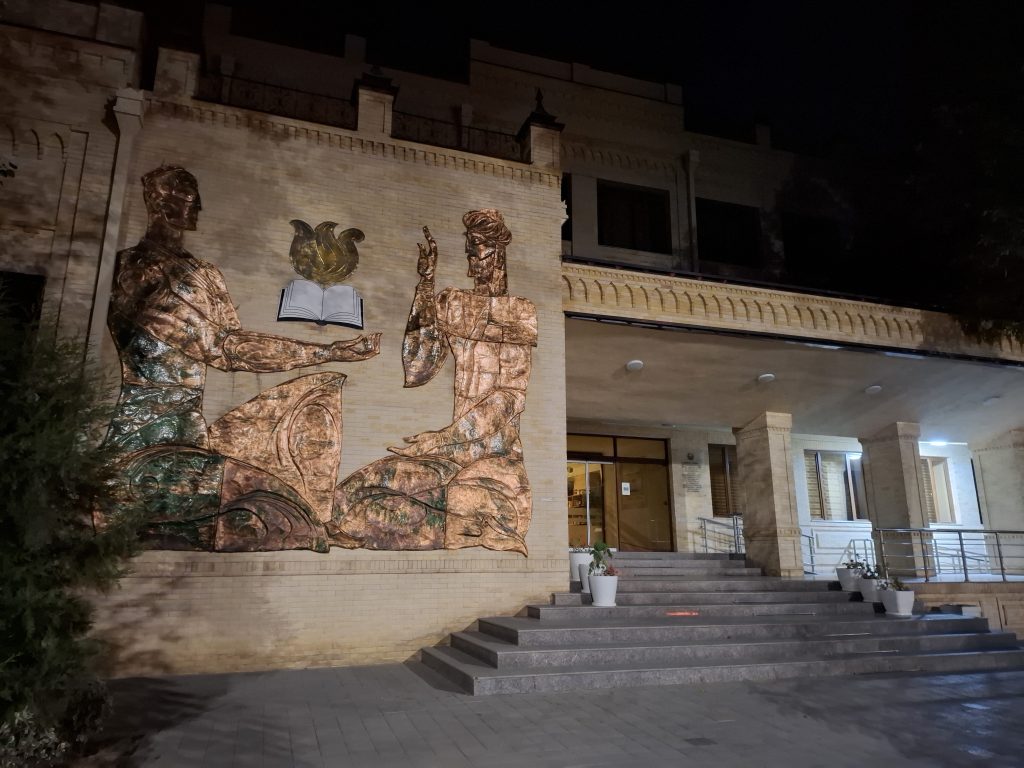
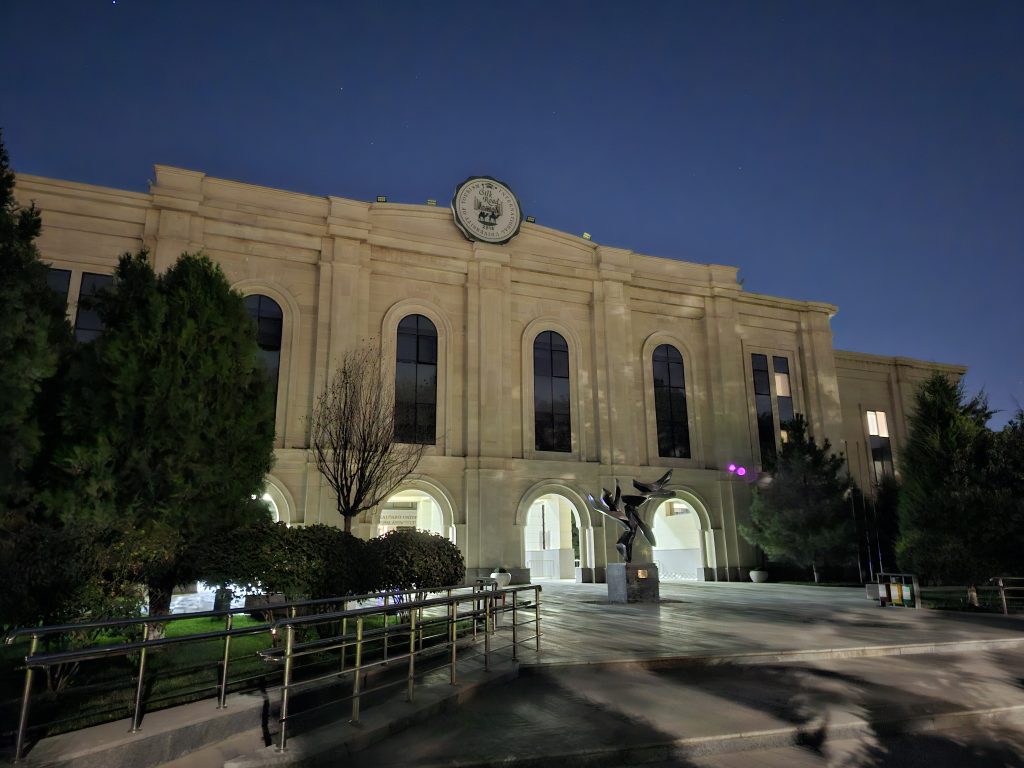
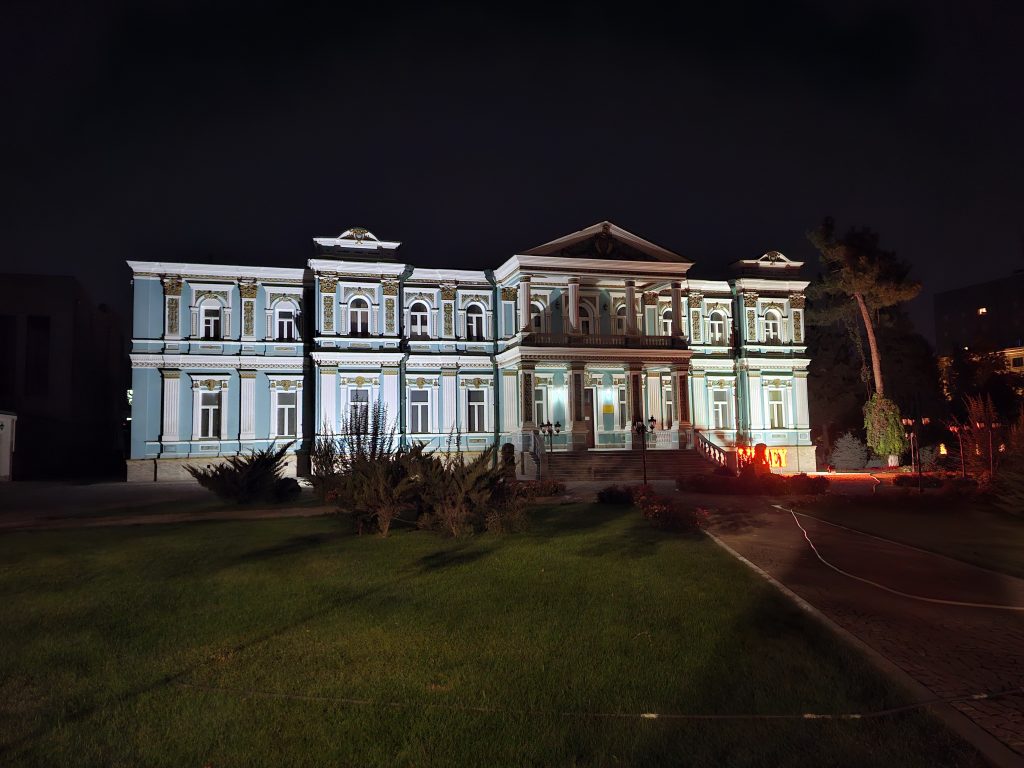
- Urban Layout: The contrast between the old city and the orderly, planned districts built during the Soviet era is itself a key attraction, telling a story of 20th-century urban design.
🌟 Travel Insight
Samarkand in the Soviet years was a project to restore a glorious past, to build a modern city, and to redefine a Central Asian identity within a communist framework. To understand modern Uzbekistan, understanding this chapter is essential.