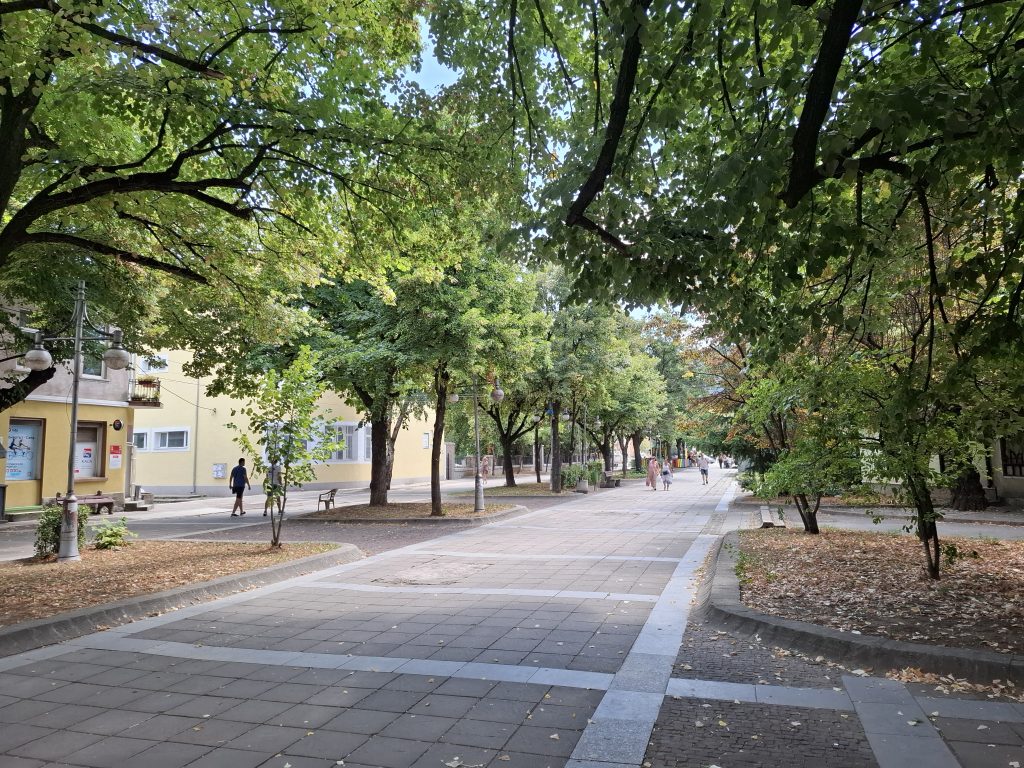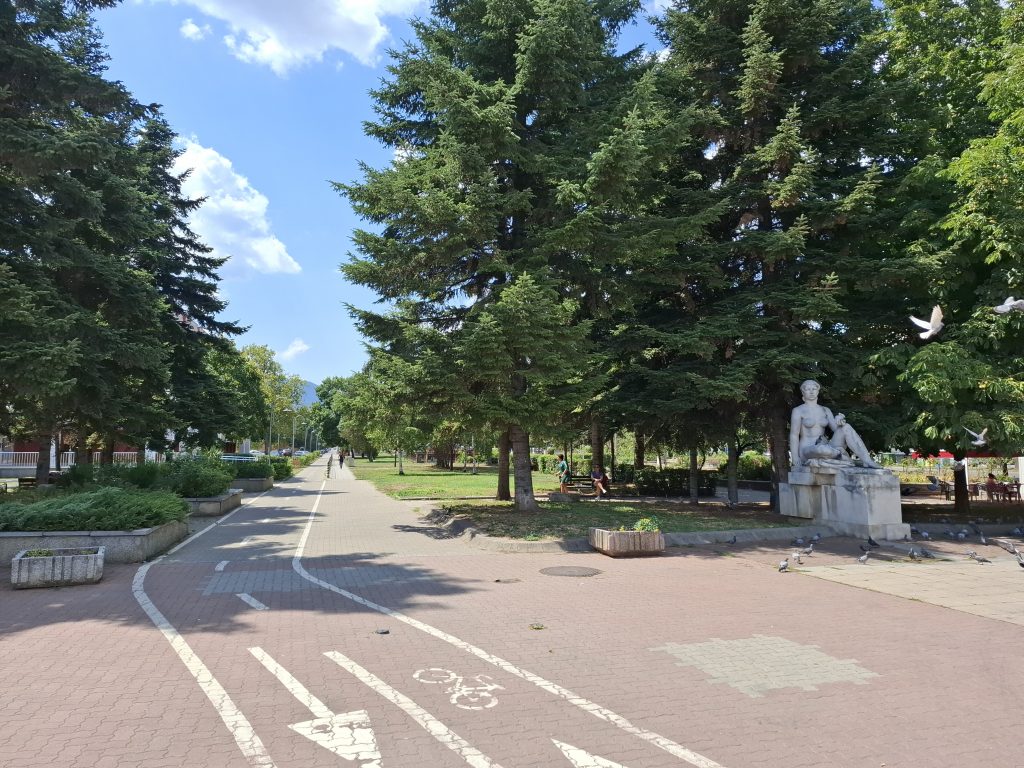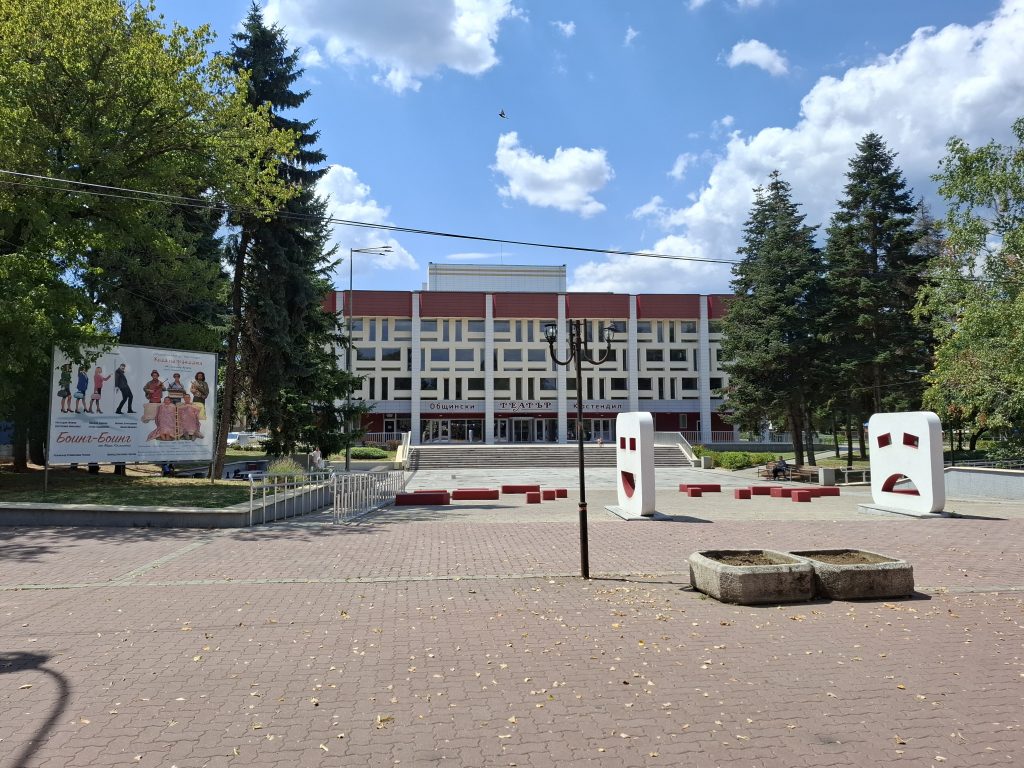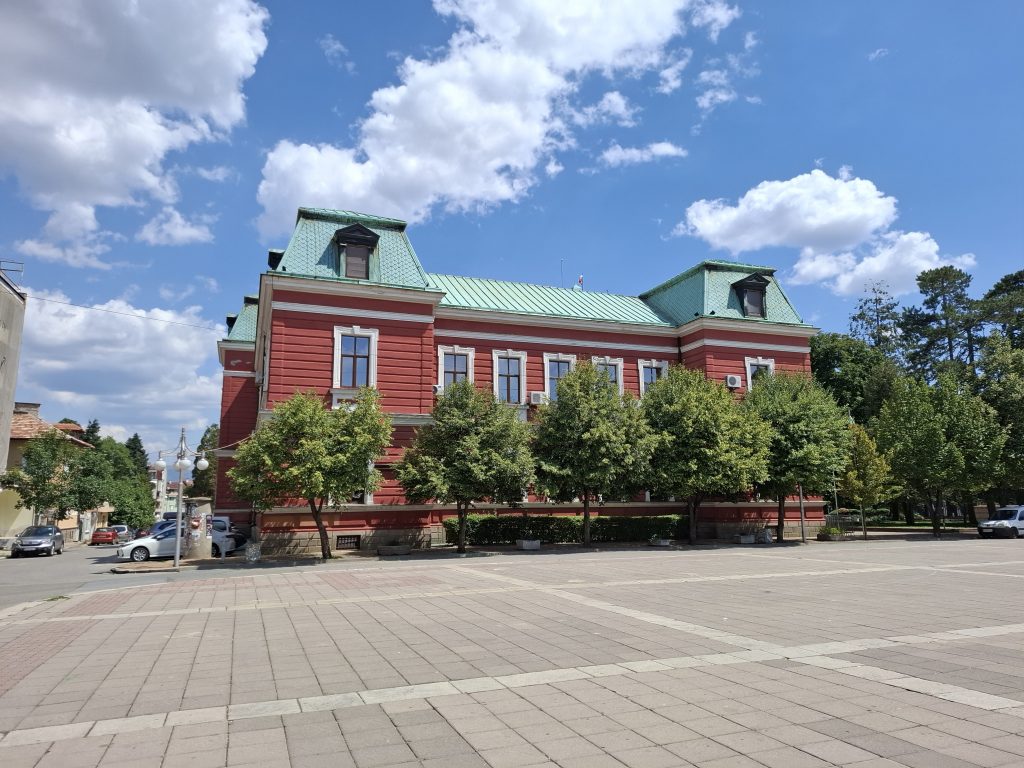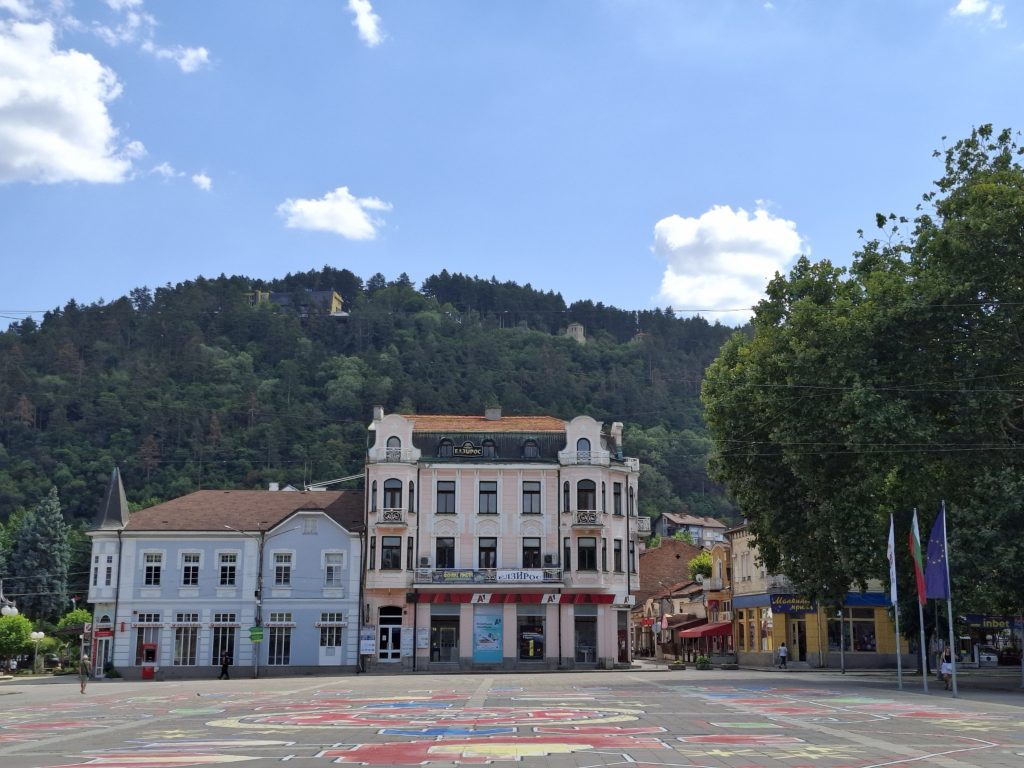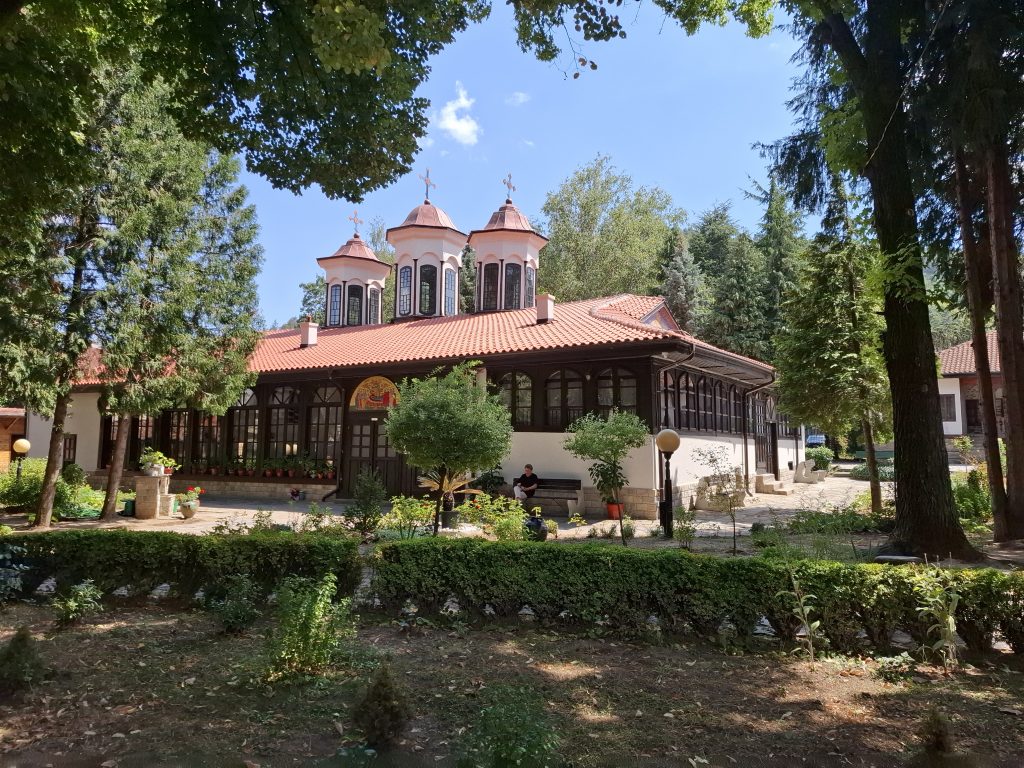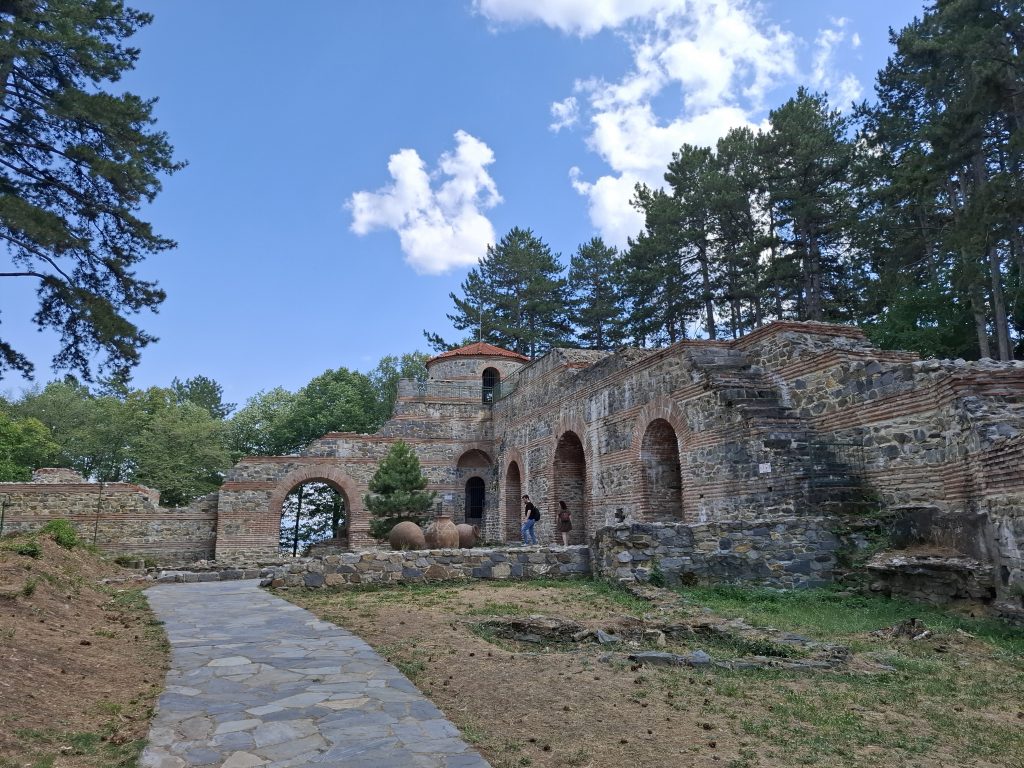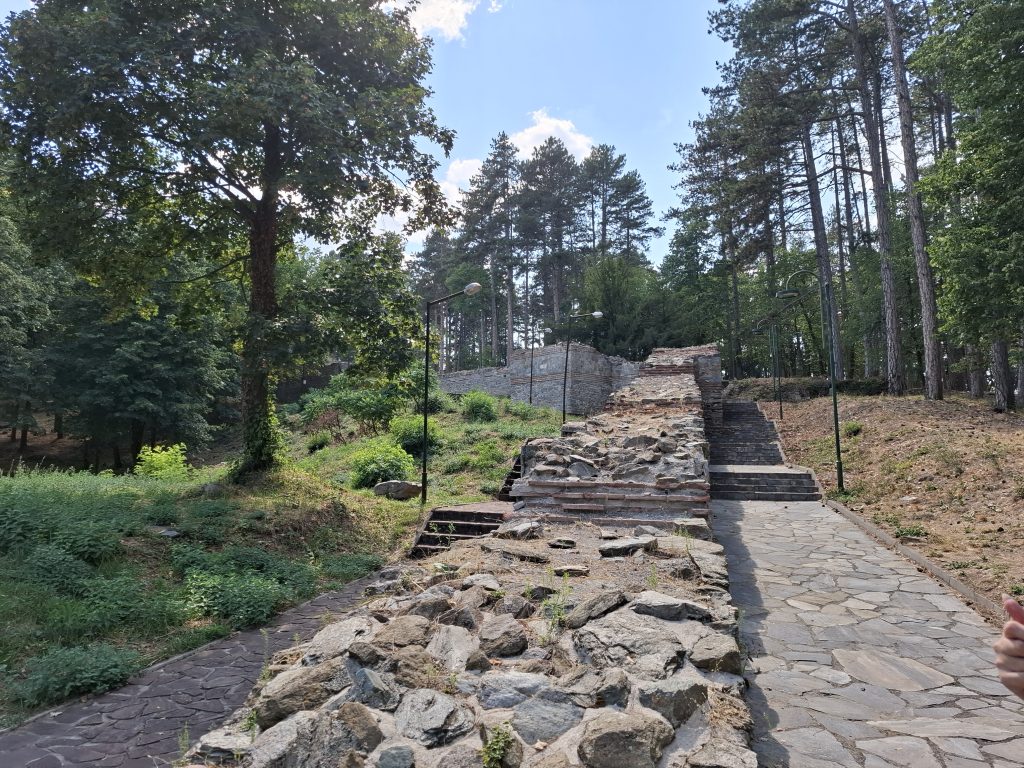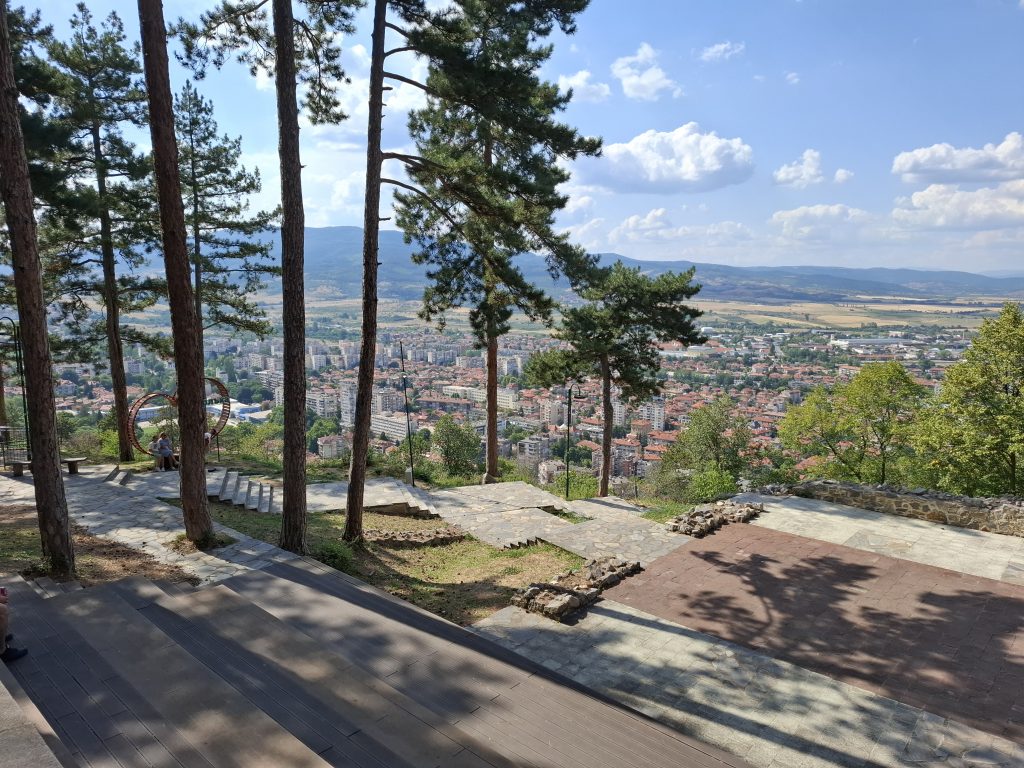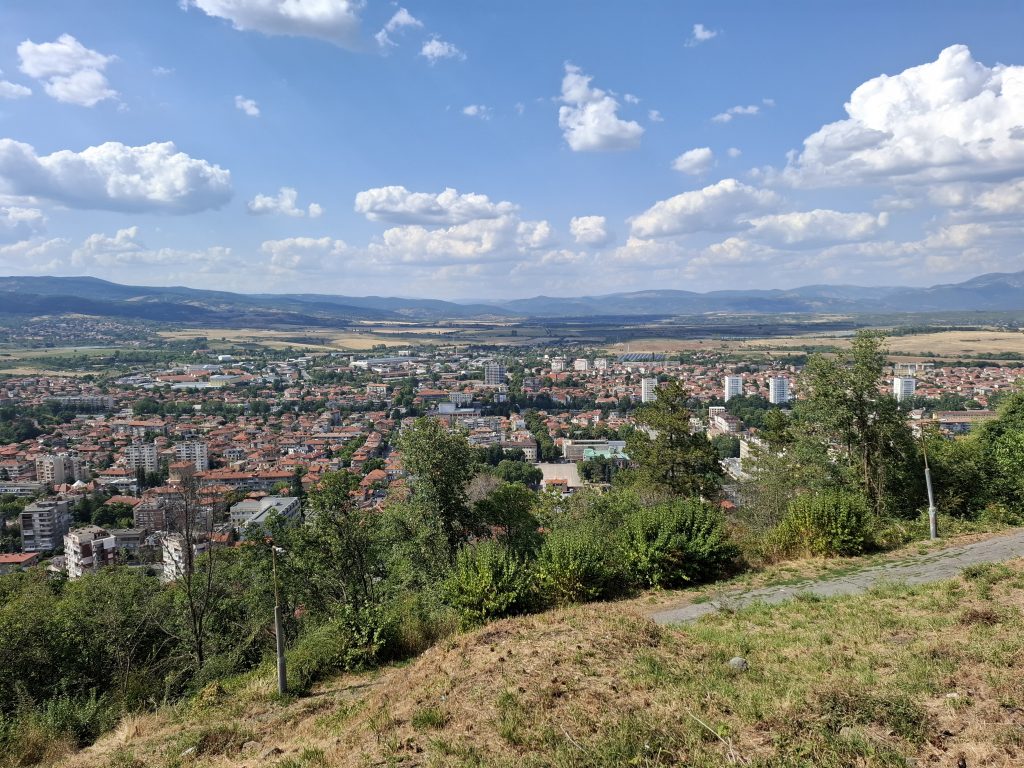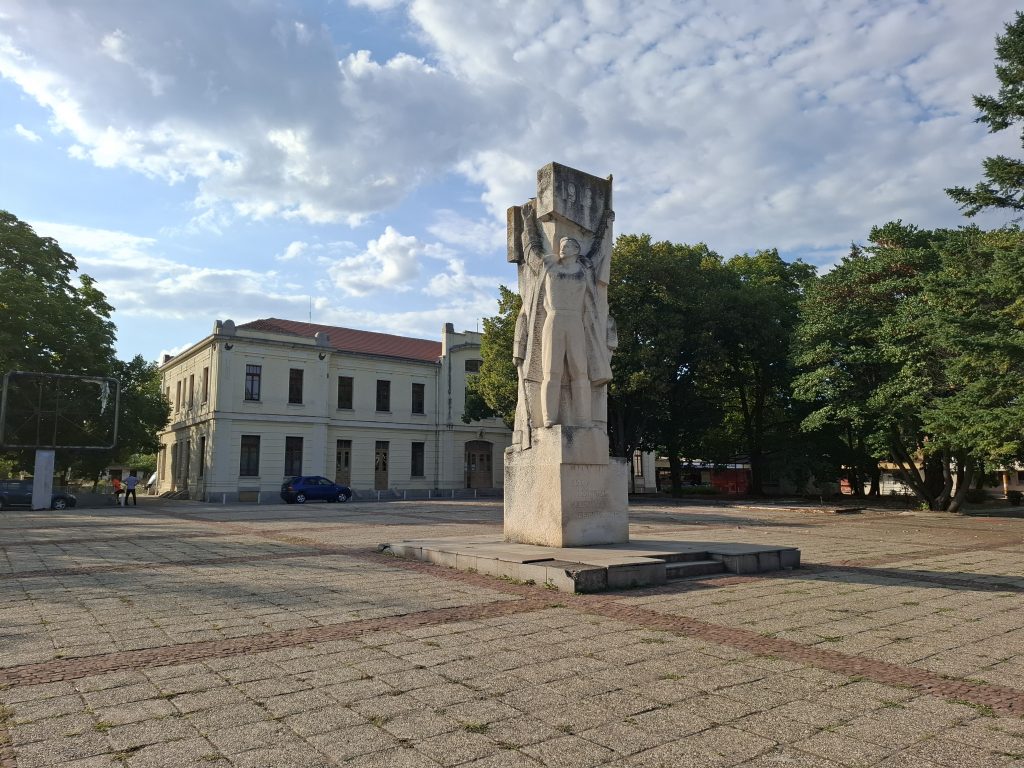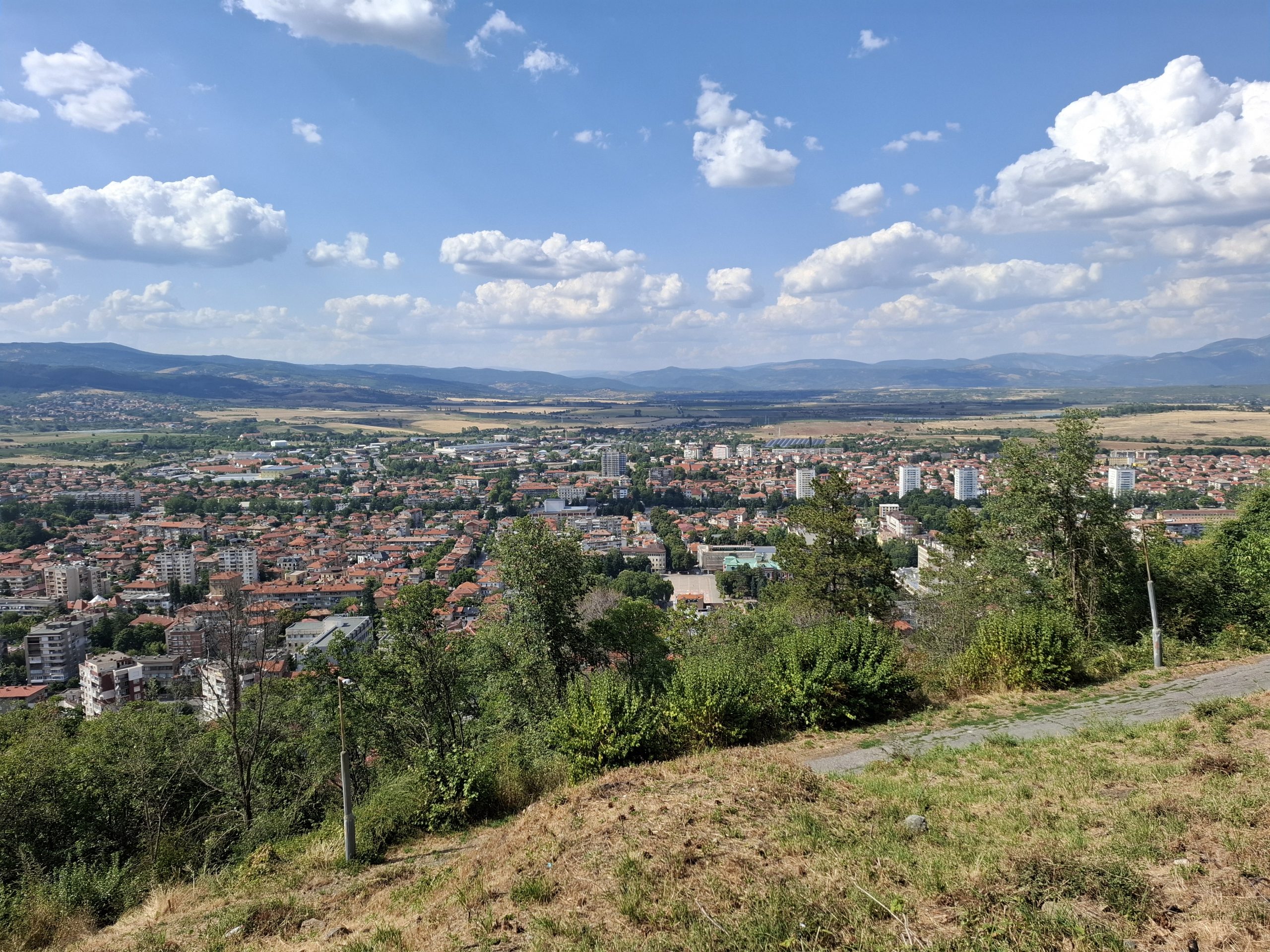
At Kyustendil, you can find many attractions, from ancient Thracian settlements to Roman spas and medieval fortresses; this city has been a crossroads of civilisations. Don’t miss:
- 🏺 Pautalia Roman Baths (2nd century CE)
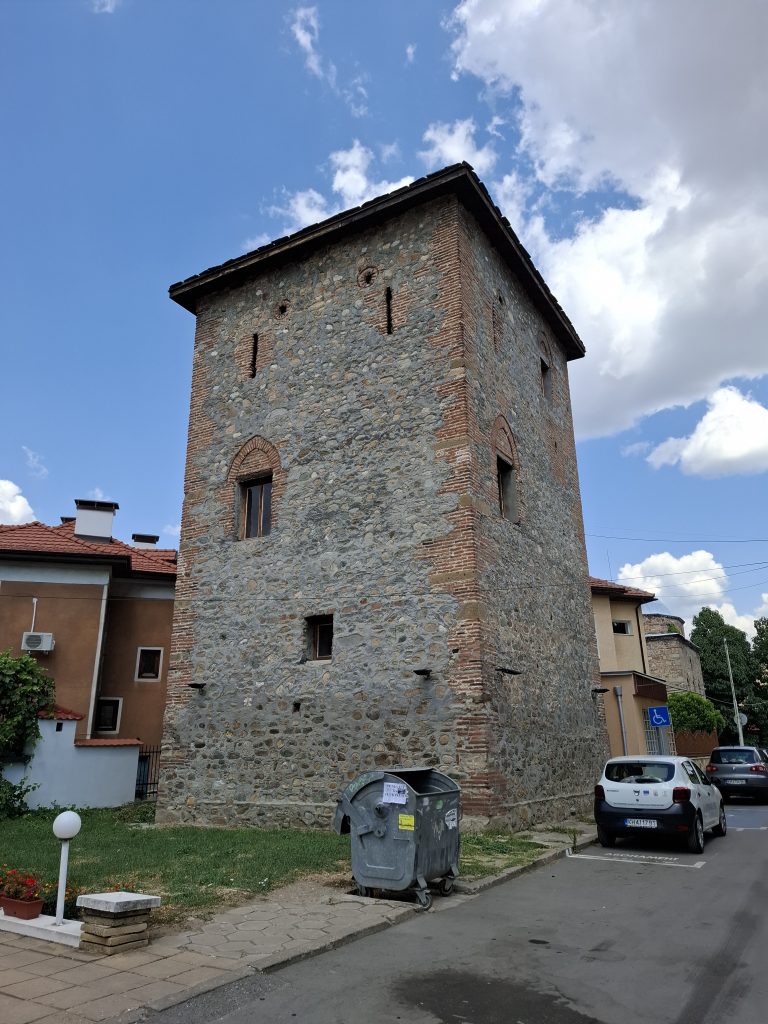
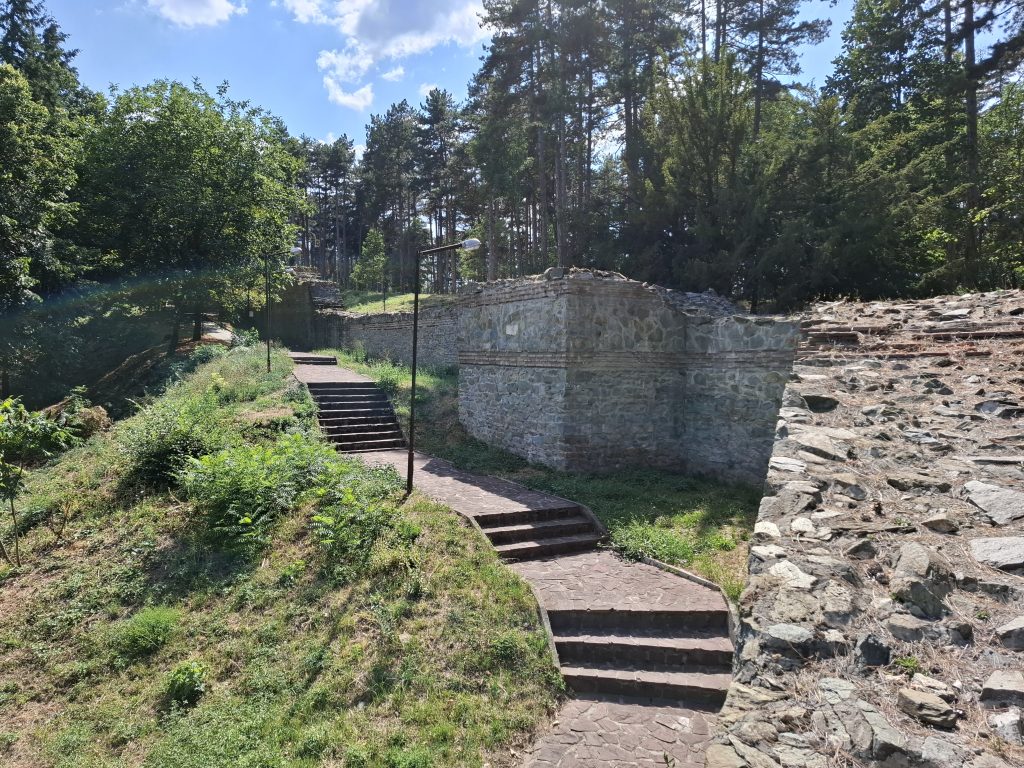
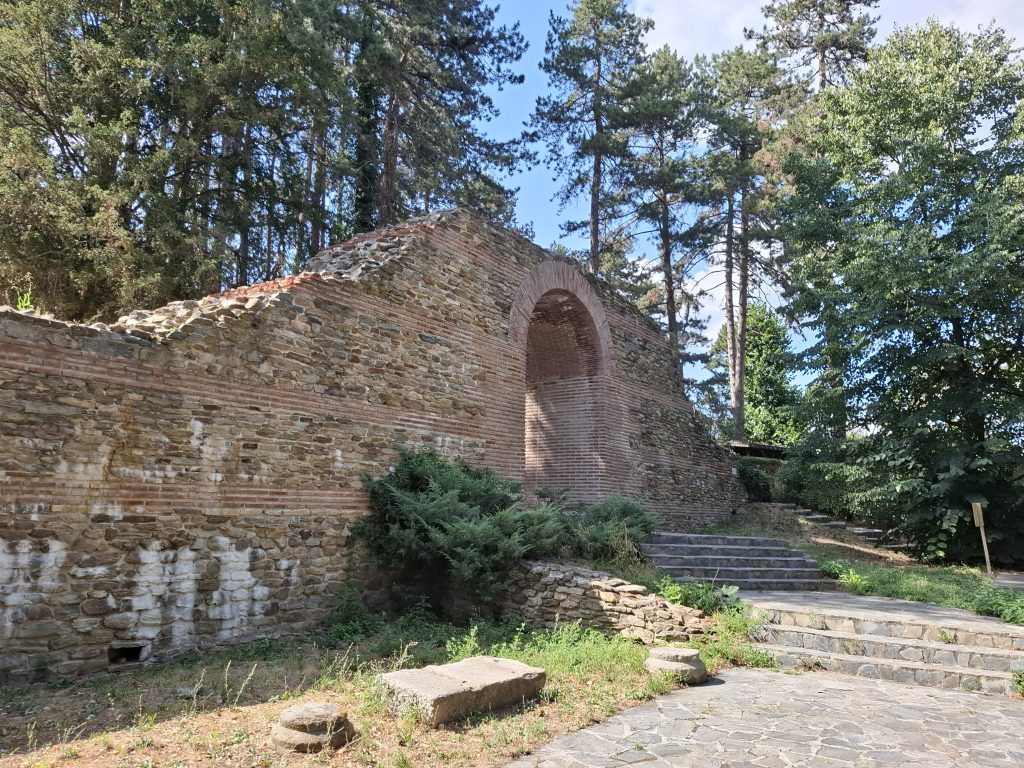
- 🏰 Hisarlaka Fortress (Roman & medieval ruins)
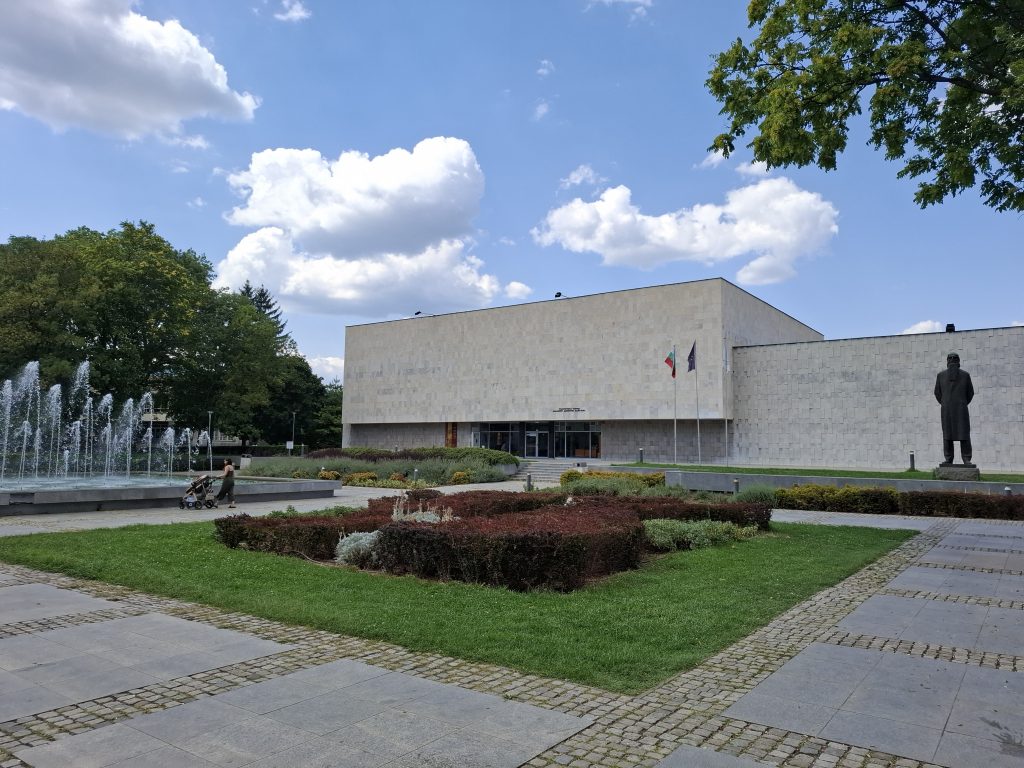
- 🖼 Vladimir Dimitrov Art Gallery
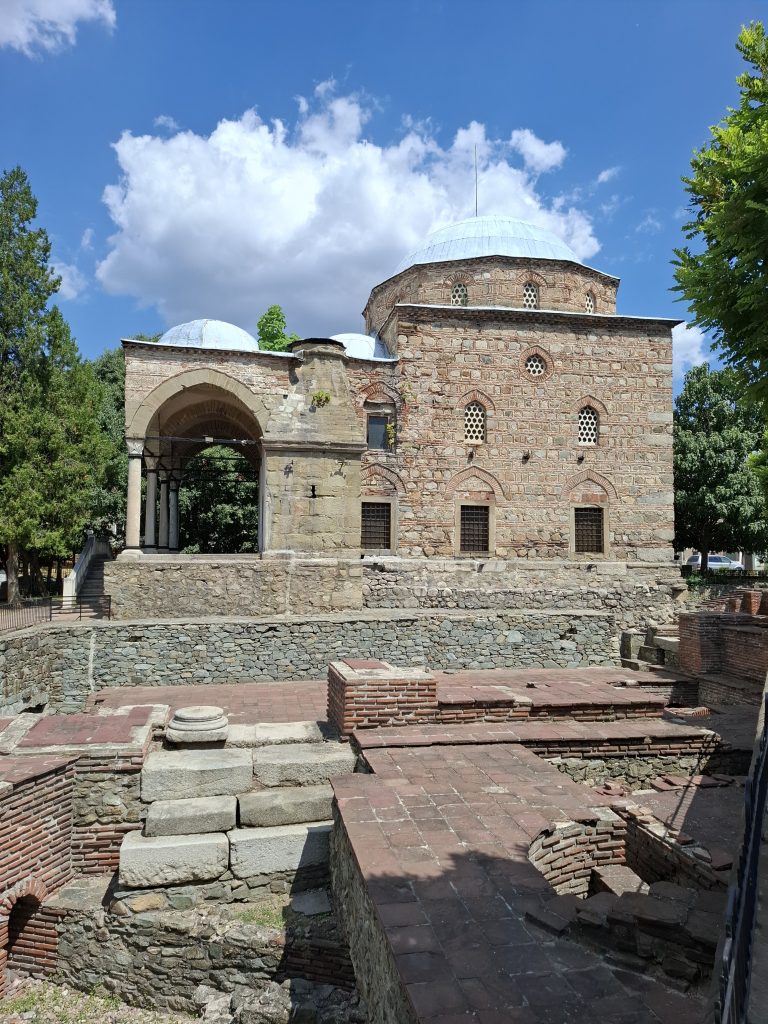
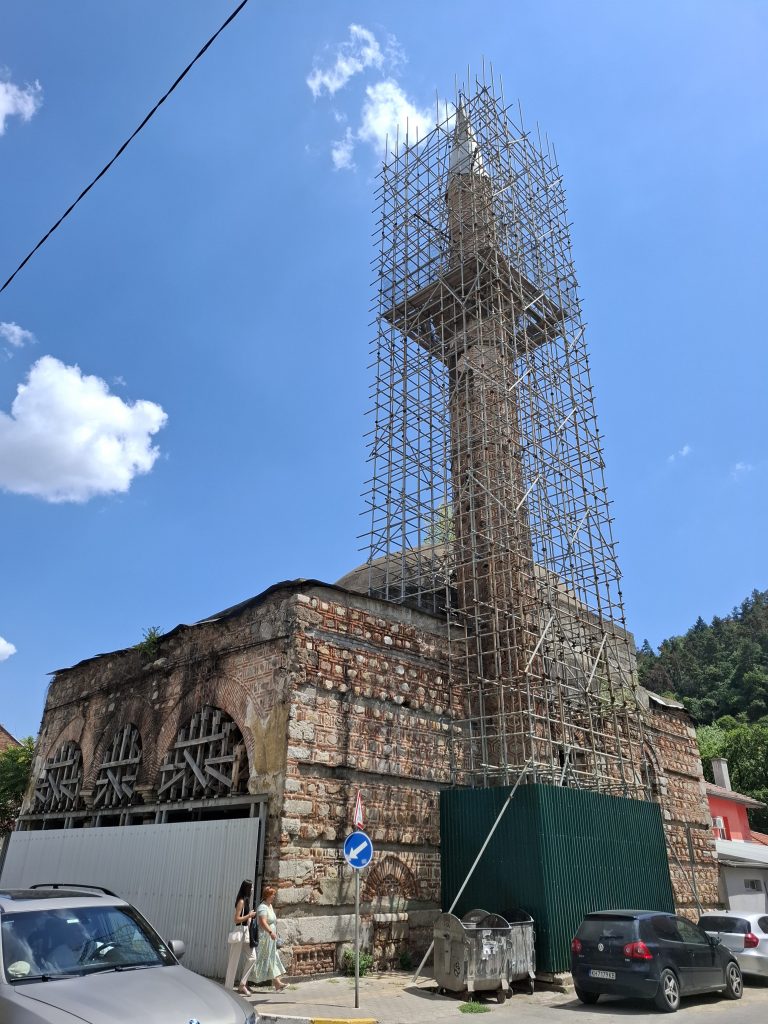
- 🕌 Ottoman-era mosques like Ahmed Bey & Fatih Mehmet
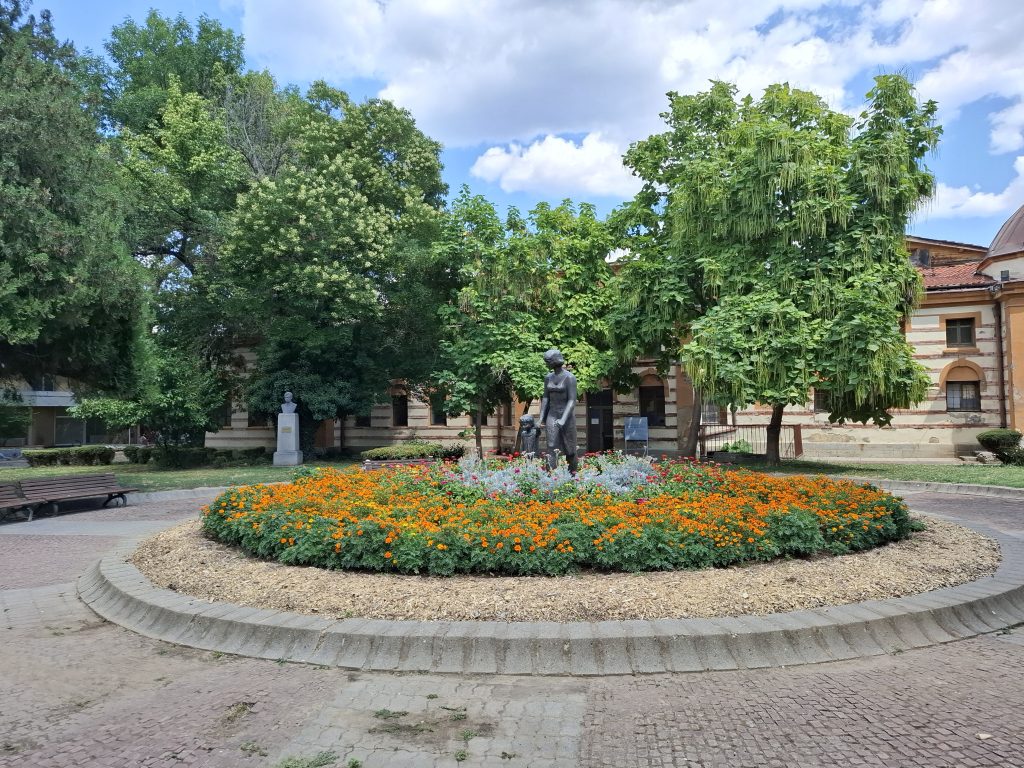
- 🌳 Mineral springs & scenic orchards
Kyustendil’s history dates back over 8,000 years, with evidence of Thracian settlements as early as the 5th-4th centuries BC. The Thracians, attracted by the area’s mineral springs, established a settlement known for its asclepion, a shrine dedicated to Asclepius, the god of medicine. This was the second-largest such shrine in the Balkans, after Epidaurus.
Under Roman rule, the city was known as Pautalia (later Ulpia Pautalia under Emperor Trajan) and became an important administrative and spa centre in the province of Thrace. The Romans built extensive thermal baths (2nd–3rd centuries AD), whose ruins remain today.
During the Middle Ages, the city was renamed Velbazhd and became a key strategic and religious centre under the Byzantine and Bulgarian Empires. It was the seat of the Dejanović noble family and briefly served as an independent principality under Constantine Dragash, whose legacy includes being the grandfather of the last Roman emperor, Constantine XI, and the great-great-grandfather of Ivan the Terrible of Russia.
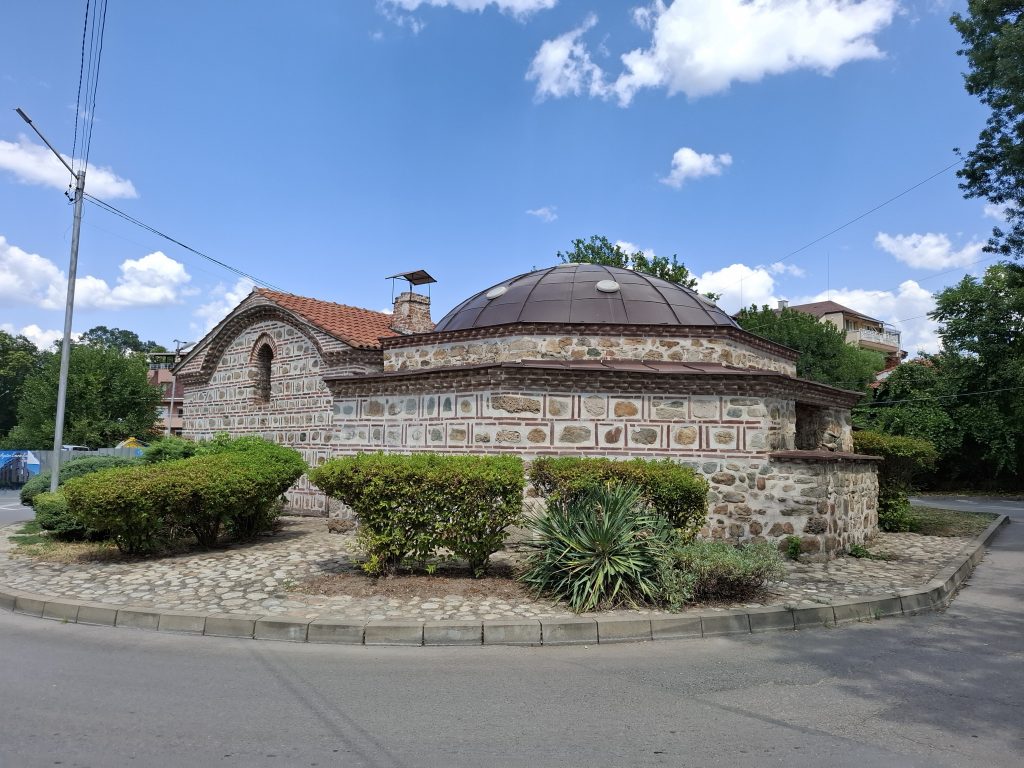
The Ottomans conquered Kyustendil in the late 14th century, and it became a military and administrative capital of Rumelia. The city featured four gates leading to major regions like Niš and Istanbul. Ottoman-era landmarks include the Ahmed Bey Mosque (15th century) and the Fatih Mehmed Mosque (16th century), though many of the original 17 mosques did not survive. The Ottomans also built hammams, such as the Dervish Bath (1566) and Chifte Bath*(1489), blending Roman and Ottoman spa traditions.
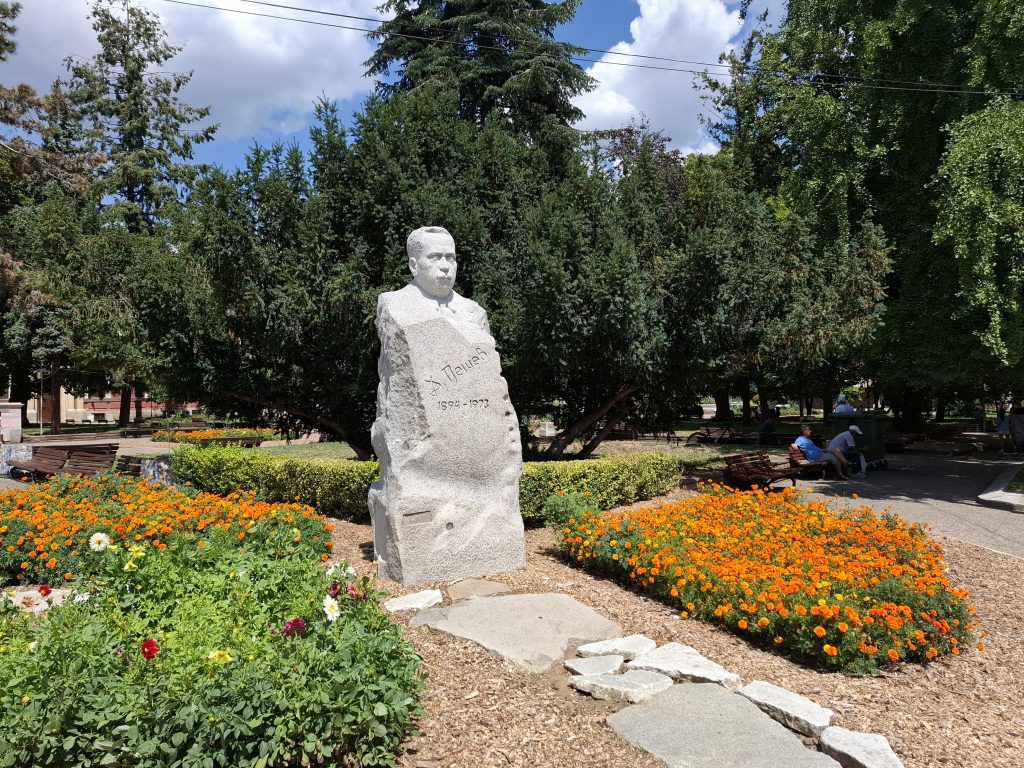
Kyustendil served as Bulgaria’s military capital during World War I. Notably, Adolf Hitler was treated here for injuries in 1916–1917 while serving on the Macedonian front. The city also played a role in World War II: Dimitar Peshev, a local politician, helped save Bulgarian Jews from deportation, a story documented in the House Museum of Dimitar Peshev.
Kyustendil’s mineral springs have been central to its identity for centuries, attracting visitors from ancient times to today. The city is also known as “Bulgaria’s orchard” due to its extensive fruit production. Cultural sites include the Vladimir Dimitrov-Maystora Art Gallery, dedicated to a renowned Bulgarian artist, and the Pinzurska House Museum, showcasing National Revival-era architecture.
Perfect blend of history, culture, and nature!